
Social liberalism: principles, history, policies, and contemporary relevance
Social liberalism is a strand of liberal thought that supports individual rights alongside state action to ensure fair opportunity, welfare provision, and regulated markets.
Social liberalism is a political philosophy that combines a commitment to individual civil and political rights with support for active state measures to promote social justice and economic security. It accepts market economies but argues that markets must be regulated and complemented by public policies so that freedom is meaningful for all citizens, not only a privileged few. Proponents maintain that protecting personal liberty and expanding opportunity can require collective responses to problems such as poverty, sickness, and structural inequality.
Image gallery
8 Images

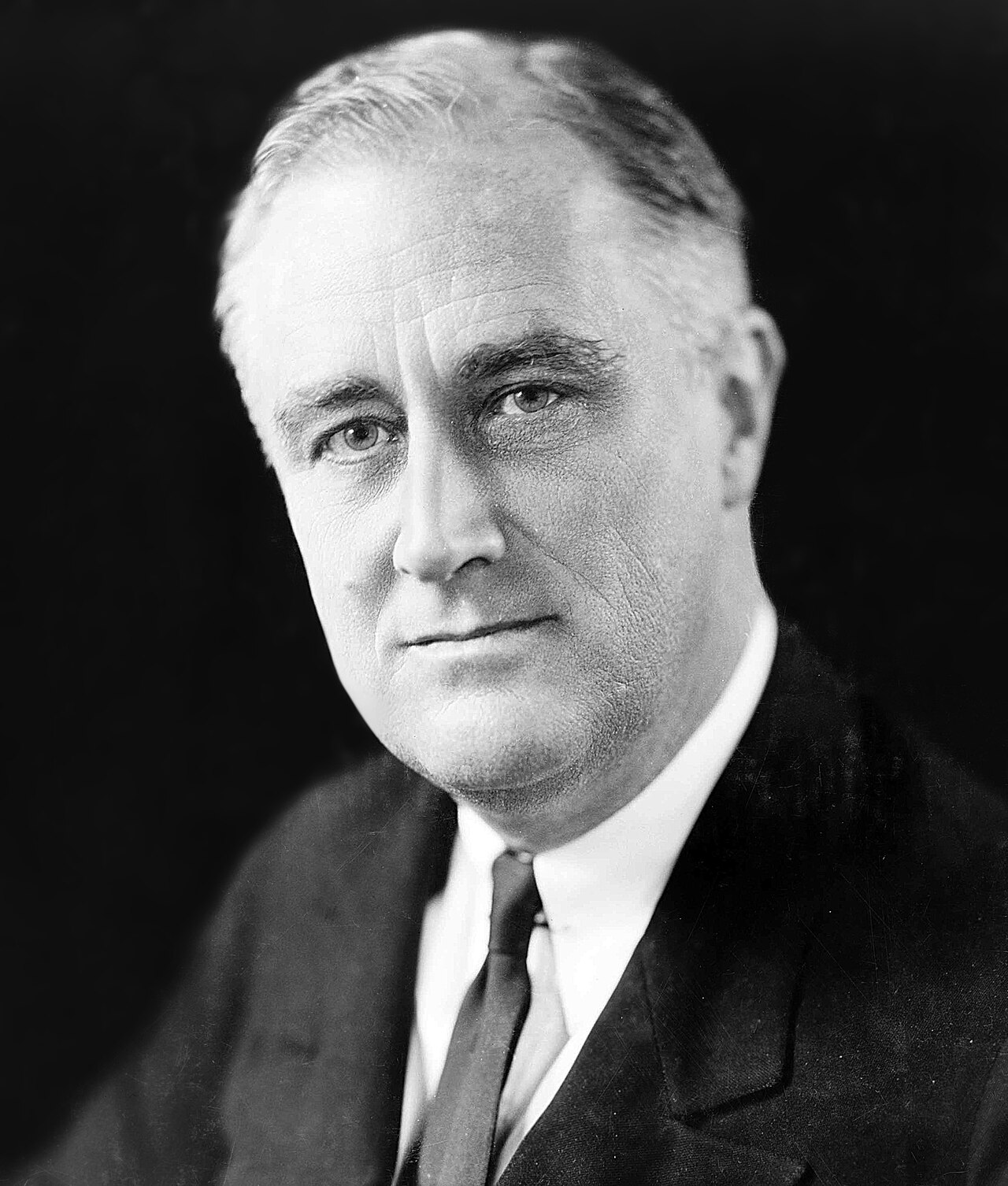


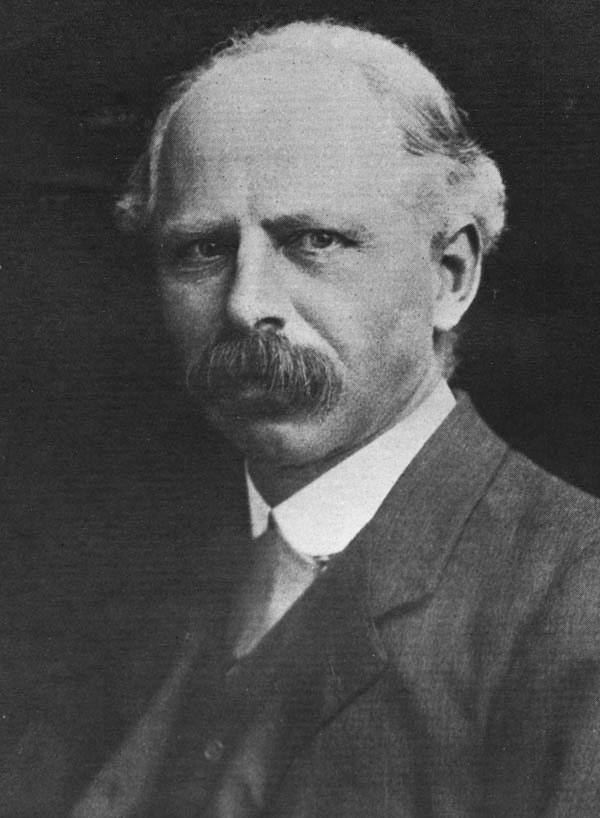


Core principles
Central ideas of social liberalism include a belief in equal fundamental rights, a preference for democratic institutions, and the view that government has a legitimate role in correcting market failures and providing basic social goods. This approach emphasizes both civil liberties and what some theorists call "positive freedom"—the capacity of individuals to pursue their goals—often through public education, health services, and social insurance. Advocates typically favor progressive taxation, legal protections against discrimination, and regulations designed to preserve competition and consumer safety.
Historical development
The tradition evolved in the late 19th and early 20th centuries as thinkers and politicians reacted to the social dislocations produced by industrial capitalism. Intellectual figures associated with the outlook include earlier liberal theorists who adapted classical doctrines to new social realities. Later contributions by political philosophers further developed the case for social rights—among them important critics and reformers who argued for the extension of political participation and social provision. Governments in many countries adopted social liberal policies in stages—expanding public education, labour protections, and social insurance schemes—particularly in the decades surrounding and following the Second World War.
Common policies and institutions
- Welfare and social insurance: unemployment benefits, pensions, and family supports administered or guaranteed by the state (welfare systems).
- Public services: state-funded schooling and universal or subsidized health care to increase equal opportunity (education, health policy).
- Market regulation: antitrust rules, labour standards, and consumer protections to correct market failures and protect citizens (regulation).
- Civil and political rights: protections for free speech, voting rights, and anti-discrimination law to ensure inclusive participation (civil rights).
- Redistribution: progressive taxation and transfers designed to reduce extreme inequality and expand opportunity (tax policy).
Distinctions, debates and critics
Social liberalism differs from classical liberalism by endorsing a more active state role in social and economic life. It also differs from socialism in accepting a market economy rather than calling for collective ownership. Variants of the approach have been labeled differently across countries—terms such as modern liberalism, new liberalism, or left liberalism reflect national traditions. Critics from the free-market side warn that excessive intervention undermines economic freedom, while critics on the left argue social liberalism sometimes accepts inequalities that more radical reforms would confront (criticisms).
Contemporary relevance
In practice, many centre and centre-left political parties draw on social liberal ideas when crafting policy responses to challenges such as demographic change, economic insecurity, and social exclusion. Contemporary theorists have revisited concepts of justice and fairness to justify a renewed role for public provision and regulation in advanced economies. Debates continue about how to balance efficiency, freedom, and solidarity in diverse societies and how best to adapt social liberal principles to globalisation, technological change, and environmental constraints (theory, policy, party politics, comparative practice).
Related articles
Author
AlegsaOnline.com Social liberalism: principles, history, policies, and contemporary relevance Leandro Alegsa
URL: https://en.alegsaonline.com/art/91436
Sources
- socialliberal.net : socialliberal.net
- google.com : Fauks, Keith 1999. Political sociology: a critical introduction. Edinburgh University Press, 7p3
- eu.wiley.com : The politics of the new centre