
Political philosophy: principles, history, and public significance
An introduction to political philosophy: its central questions, basic concepts, historical development, practical uses, and how it differs from related disciplines.
Overview
Political philosophy examines the fundamental ideas that shape public life: politics, liberty, justice, property, and rights. It asks what government is for, what claims individuals can make on one another and on the state, and what moral principles should guide collective decision-making. Rather than study particular institutions in detail, the field addresses basic principles, the reasons behind rules, and the best arguments for different arrangements.
Image gallery
10 Images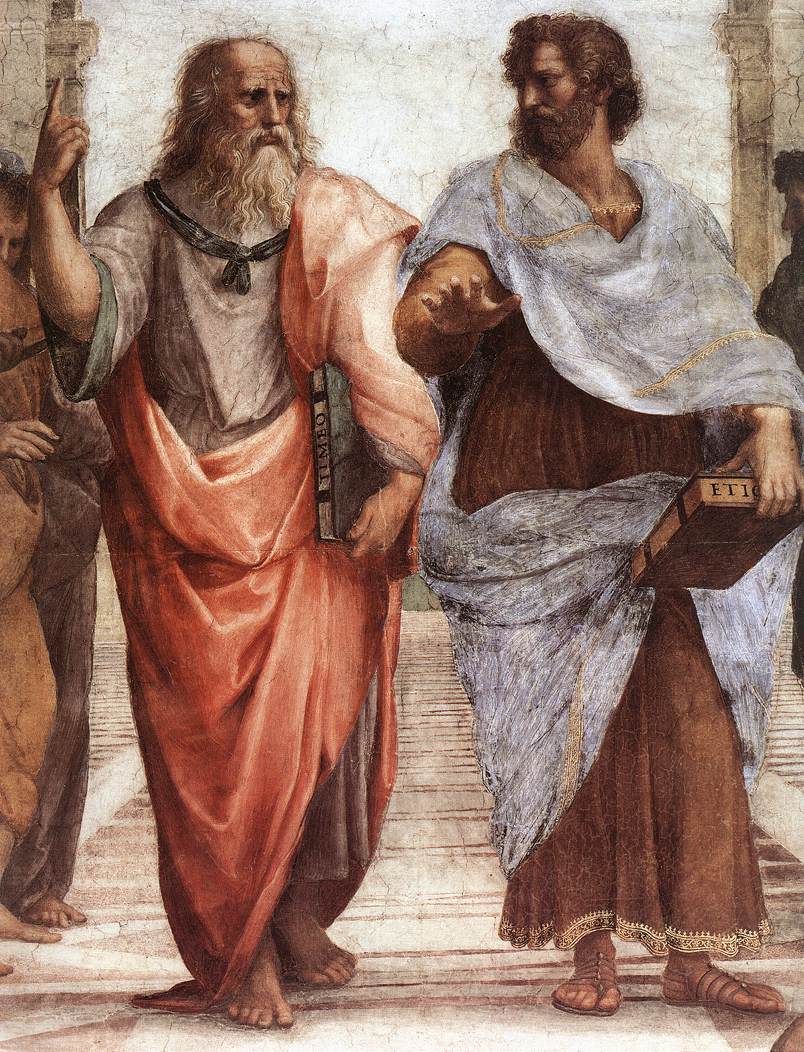


Core concepts and structure
Key concepts include the nature and limits of state authority, the justification and enforcement of law, and the design of a legal code. Political philosophers classify rights, weigh collective obligations, and probe the moral status of institutions. Common themes are:
- What duties citizens owe to legitimate government and when resistance is justified.
- How to balance individual liberty with public goods and equality.
- The moral foundations of property and economic arrangements.
These discussions use conceptual analysis, hypothetical examples, and thought experiments to clarify competing positions.
History and development
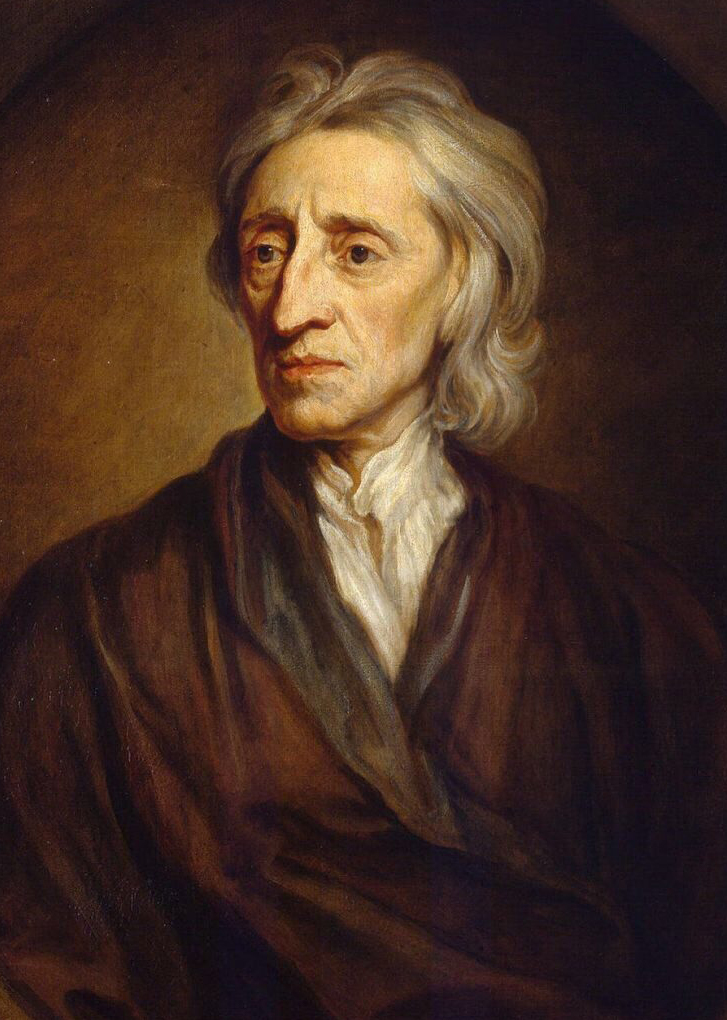
Political philosophy has roots in ancient and medieval thought and was reshaped in the modern era by thinkers who explored sovereignty, consent, and rights. Debates about the best form of government, the source of legitimacy, and the proper scope of law have evolved with changing social conditions and technological shifts.
Applications and distinctions
While closely related to political science, political philosophy differs by focusing on normative questions rather than empirical description. Its conclusions influence constitutional design, human rights frameworks, and civic education. Practitioners draw on history, economics, and law to address questions such as what a just tax system looks like or how to protect minority rights within majoritarian systems. For further reading on particular terms and debates, see entries on the purpose of government, institutional law, or compilations of contemporary arguments in political theory.
Political philosophy remains essential for evaluating public policies, clarifying civic responsibilities, and articulating visions of a fair society. For introductions and resources, consult general guides to politics, collections of classic texts, and modern treatments that connect normative theory to practical concerns.
Related topics and resources: property, rights, authority, legal codes, and contemporary debates about liberty and justice.
Related articles
Author
AlegsaOnline.com Political philosophy: principles, history, and public significance Leandro Alegsa
URL: https://en.alegsaonline.com/art/77769