
John Rawls: philosopher of justice and equality
Overview of John Rawls, his theory of justice, key concepts (original position, veil of ignorance, difference principle), major works, influence, and central debates in political philosophy.
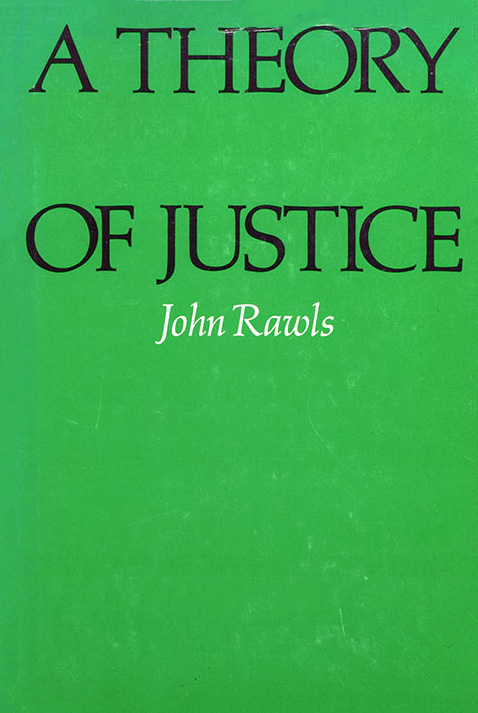
John Rawls (1921–2002) was a leading American political philosopher whose work reshaped 20th‑century debates about justice, equality and the structure of a just society. He is best known for his 1971 book A Theory of Justice, which introduced a systematic alternative to utilitarian approaches and helped revive normative political philosophy as a central field of inquiry.
Image gallery
6 Images



Key ideas
Rawls developed the idea of "justice as fairness," a framework that asks what principles free and equal persons would choose to govern basic social institutions if they were placed behind a "veil of ignorance" — that is, without knowledge of their own social position, talents, or conception of the good. This imaginative device, called the "original position," is intended to secure impartiality in selecting principles of justice.
Principles of justice
From the original position Rawls derives two main principles: (1) equal basic liberties for all, and (2) social and economic inequalities arranged so they are both to the greatest benefit of the least advantaged and attached to positions open to everyone under fair equality of opportunity. The second principle includes what is commonly called the "difference principle." Rawls treats liberty as lexically prior, meaning basic rights cannot be traded away for greater social or economic gains.
Major works and influence
- A Theory of Justice (1971) — foundational statement of his approach.
- Political Liberalism and The Law of Peoples — later developments adapting his ideas to pluralist societies and international justice.
- Justice as Fairness: A Restatement — clarifies and refines earlier formulations.
Rawls's arguments influenced political theory, legal philosophy, and public discourse about redistribution, rights, and institutional design. His methods encouraged philosophers to address practical institutional questions with rigorous normative argumentation.
Debates and legacy
Rawls provoked extensive criticism and dialogue. Critics ranged from libertarians, who argued his principles violate individual property rights, to communitarians, feminists and utilitarians who raised concerns about his assumptions or priorities. Nevertheless, his concepts — especially the veil of ignorance and the difference principle — remain central reference points in contemporary discussions of justice, equality, and public reason. He taught and wrote for decades, leaving a substantial legacy in academic curricula and public philosophy.
Related articles
Author
AlegsaOnline.com John Rawls: philosopher of justice and equality Leandro Alegsa
URL: https://en.alegsaonline.com/art/50781