
Snail kite (Rostrhamus sociabilis): a specialist wetland raptor
A wetland raptor of the Americas, the snail kite (Rostrhamus sociabilis) is narrowly adapted to feed on freshwater snails. Overview of its appearance, behavior, range, and conservation issues.
Overview
The snail kite (Rostrhamus sociabilis) is a medium-sized raptor specialized for life in freshwater wetlands. It is classified as a bird of prey and belongs to the family Accipitridae, a group that also includes eagles, hawks and Old World vultures. Its common name refers to its principal food: aquatic snails, especially apple snails in parts of its range.
Image gallery
10 Images


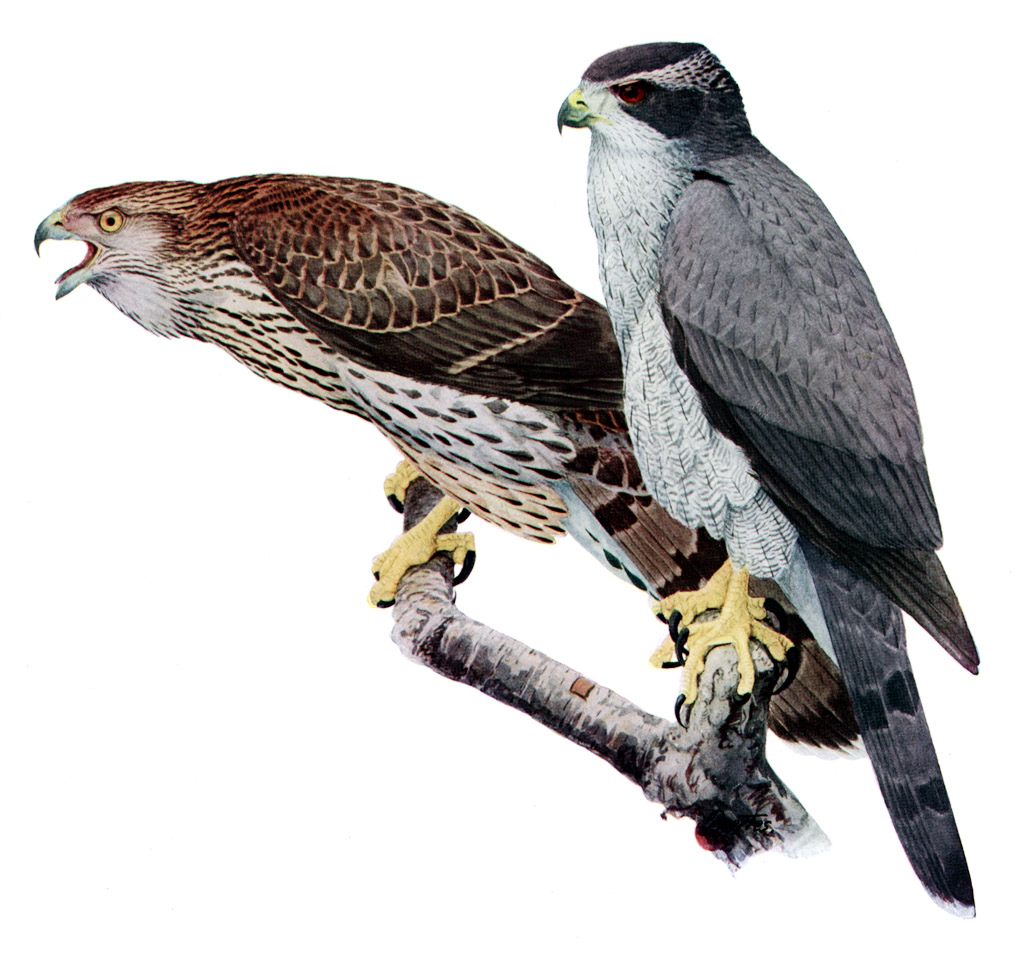


Distinctive characteristics and adaptations
The snail kite is adapted to extract snails from their shells. It has a slender, strongly hooked bill with a pronounced downward curve that fits between the snail and shell, allowing the bird to lever the animal free. Plumage shows sexual dimorphism: adult males are generally darker, while females and juveniles are browner and larger. Long, broad wings and a short tail give it a buoyant, gliding flight over marshes.
Distribution and habitat
This species occurs in a chain of wetland habitats from the Caribbean and parts of Central America into South America; a distinct population occurs in the wetlands of southern Florida. Snail kites are tied closely to shallow freshwater marshes, ponds and slow-moving rivers where their snail prey is abundant.
Feeding, breeding and behavior
Snail kites hunt by quartering low over water and wading in shallow shallows to seize snails from vegetation or the substrate. They typically nest in shrubs or low trees over water, laying small clutches and raising young in marsh colonies or loose aggregations. Their specialized diet makes them efficient at exploiting snail outbreaks but vulnerable when snail populations decline.
Conservation and notable issues
The species' dependence on wetlands links its fortunes to water management, habitat loss and changes in snail communities. In some regions invasive snail species have altered food resources—sometimes benefitting kites, other times creating prey too large or difficult to handle. Local populations, such as in Florida, have received focused conservation attention because of habitat alteration and hydrological changes.
Key facts and distinctions
- Taxonomy: Rostrhamus sociabilis is the widely accepted scientific name and the bird is placed in Accipitridae.
- Dietary specialization: primarily freshwater snails, which drives morphology and foraging behavior.
- Conservation: wetland protection and appropriate water management are central to the species' persistence.
For further reading on raptors and wetland bird conservation consult general references on birds of prey and regional wetland guides (overview, family relationships). Additional resources and regional studies are available through ornithological organizations and conservation agencies (eagle and raptor profiles, hawk research, vulture and raptor networks).
Related articles
Author
AlegsaOnline.com Snail kite (Rostrhamus sociabilis): a specialist wetland raptor Leandro Alegsa
URL: https://en.alegsaonline.com/art/91292
Sources
- commons.wikimedia.org : Rostrhamus sociabilis
- iucnredlist.org : Rostrhamus sociabilis
- allaboutbirds.org : "Snail Kite Identification, All About Birds, Cornell Lab of Ornithology"