
Sole (flatfish)
Sole is a name for various flattened demersal fish—chiefly members of Soleidae—valued in fisheries and cuisine. Includes Dover (common) sole and other similar flatfish worldwide.
Sole is the common name applied to a group of flattened, bottom-dwelling fishes most often associated with the family Soleidae. These fishes are adapted to life on soft seabeds and mudflats and are widely recognised for their compressed bodies, both eyes on one side of the head, and a cryptic coloration that helps them blend with the substrate. The word "sole" may be applied locally to a range of related flatfish across several families, so the term is used in both scientific and culinary contexts with slightly different meanings.
Image gallery
10 Images



Description and biology
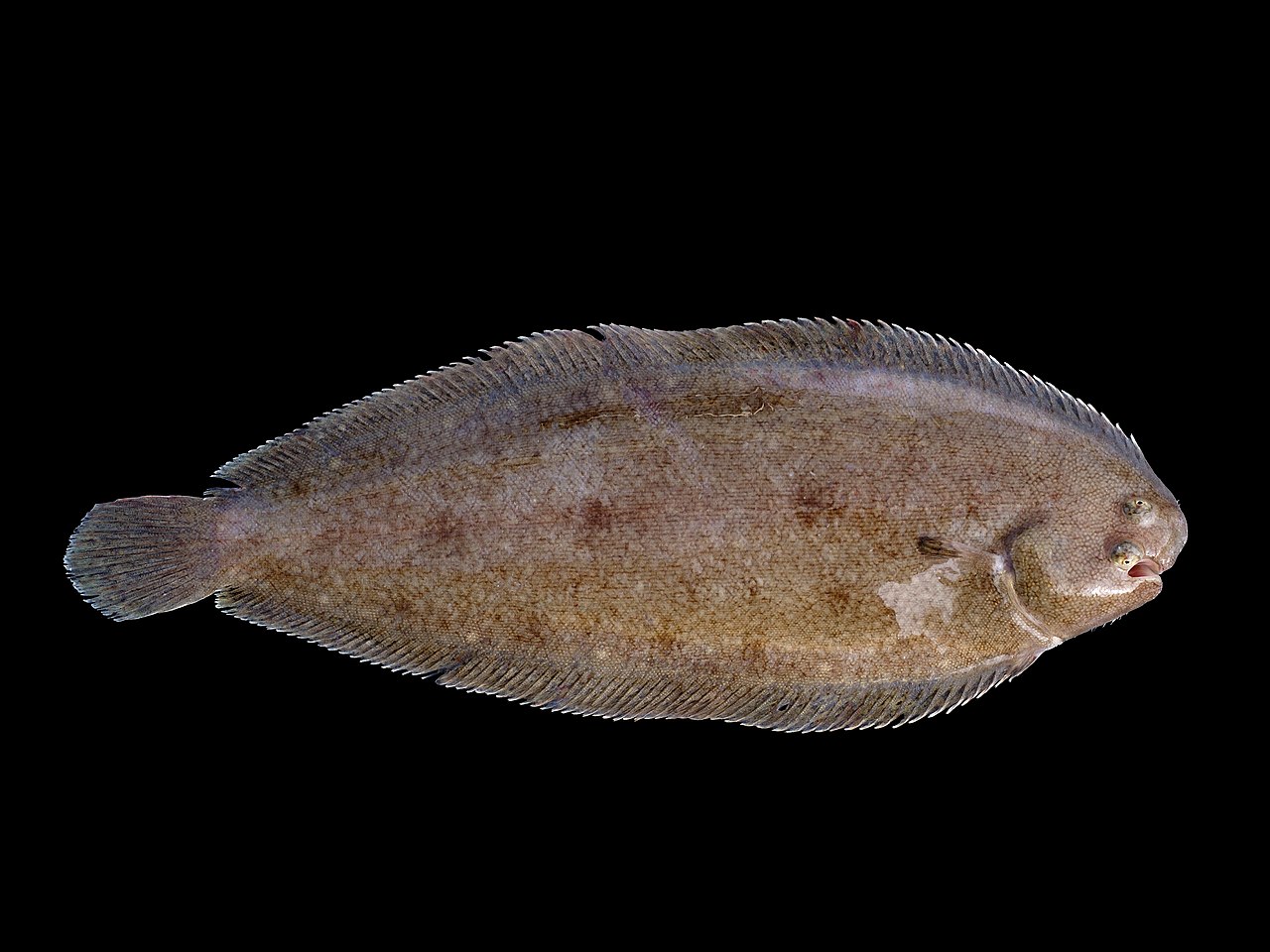
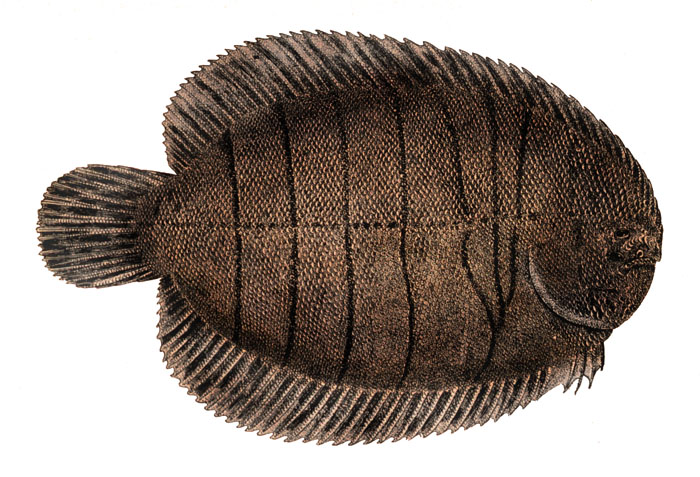
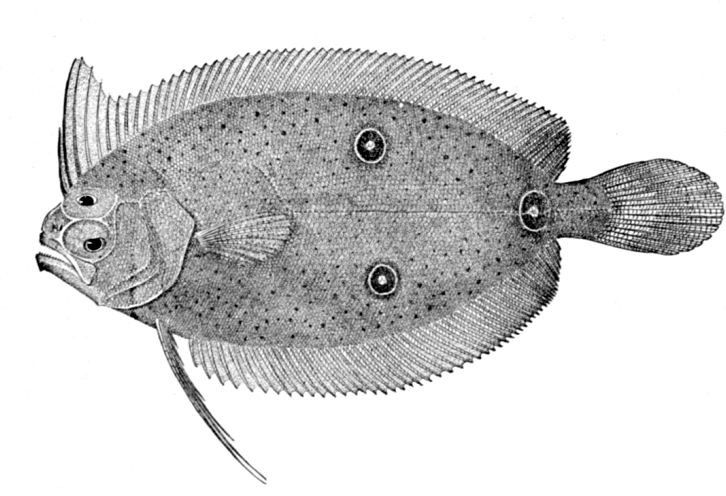
True soles are characterised by an elongated, oval body that lies on its blind side while the eyed side faces up. Most European and many other soles are right-eyed (both eyes on the right side), although eye-sidedness can vary among flatfish. Their mouths are often asymmetrical and suited to picking small invertebrates from sediments. Soles are demersal predators, feeding mainly on worms, crustaceans and small molluscs, and they use subtle body coloration and burying behaviour to avoid predators and ambush prey.
Taxonomy and distribution
The name "sole" covers species in multiple taxonomic groups. In a strict sense it refers to members of the family Soleidae, but similar-looking species in the same suborder (Soleoidei) or in other flatfish families are frequently called soles in everyday language. For a general overview of flattened fishes see flatfish. Scientific treatments note that the label can span several families, while some commonly named soles actually belong to flounder-type families such as Pleuronectidae (flounders). Geographic ranges vary by species: the European or Dover sole is found across the eastern Atlantic and Mediterranean, while other groups—often called American soles—occur in Atlantic and Pacific waters of the Americas and some inhabit brackish or freshwater environments.
Uses, culinary importance and fisheries
Soles are an important commercial and recreational catch in many regions. The common Dover sole (Solea solea) is particularly prized in European cuisine for its firm, mild-flavoured white flesh. Typical preparations include pan-frying (meunière style), baking, steaming and light sauces that preserve the delicate texture. Common cooking methods and uses include:
- Pan-frying with butter and lemon (sole meunière)
- Fillets served simply to highlight their texture
- Commercial sale as whole fish or fillets in fresh and frozen markets

Distinctions, conservation and notable facts
Not all fish called "sole" are closely related; a few species bearing the common name belong to different families and are better referred to by their scientific names to reduce confusion. For example, some commercially marketed "soles" in non-European markets are members of unrelated right-eyed flounder groups. From a conservation viewpoint, several sole stocks are subject to fishing pressure and management measures; some populations have been reduced by overfishing or impacted by habitat change. Management typically includes catch limits, size restrictions and gear regulations to reduce bycatch and protect spawning areas.
Because the name "sole" is used both in everyday and regulatory contexts, it is useful to confirm the scientific name when assessing consumer, ecological or regulatory information. Overall, soles illustrate how a familiar culinary label can encompass a diversity of species with similar forms and ecological roles on continental shelves and coastal waters around the world.
Related articles
Author
AlegsaOnline.com Sole (flatfish) Leandro Alegsa
URL: https://en.alegsaonline.com/art/91662
Sources
- fishbase.org : fishbase.org/Summary/FamilySummary.php?Family=Soleidae