
Soda bread — a quick, traditional bread
Soda bread is a quick-leavened bread traditionally made with baking soda and buttermilk. Simple ingredients and fast preparation created many regional variations and modern adaptations worldwide.
Overview
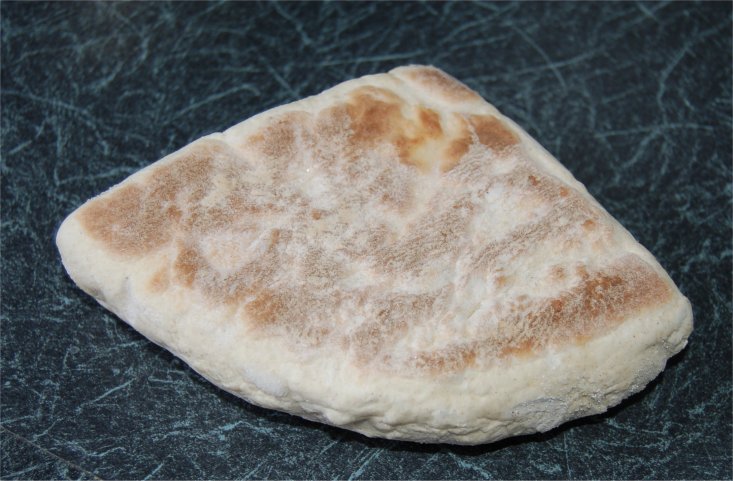
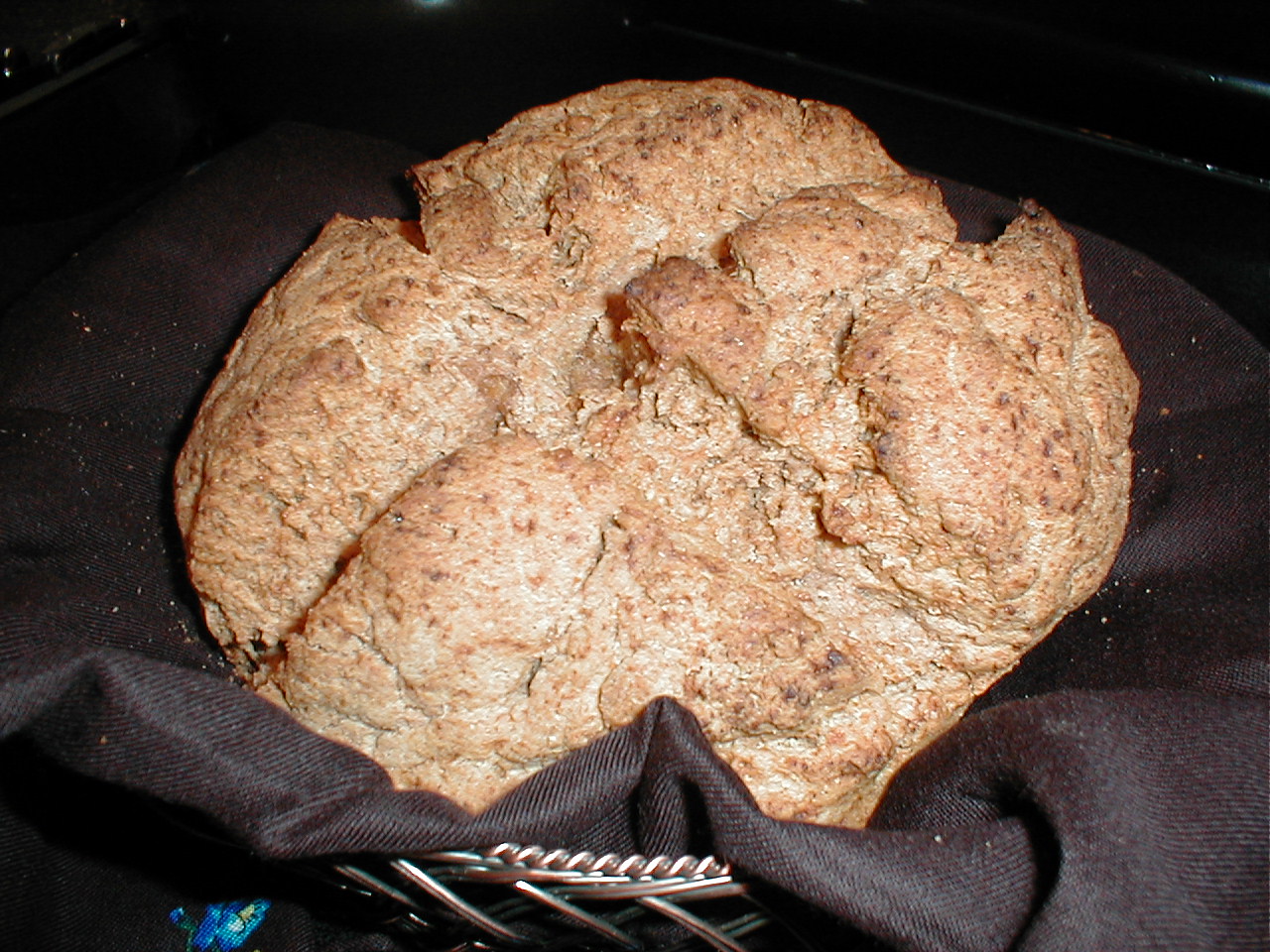
Soda bread is a family of quick breads that rise through the chemical action of a leavening base rather than yeast. In its classic, simplest form it relies on an acid–base reaction between buttermilk and a leavening agent so it bakes quickly and develops a soft, golden crumb. It is associated strongly with Irish home baking but has spread into many cuisines because of its simplicity and speed.
Image gallery
7 Images


Core ingredients and method
The essential components are few and straightforward. Traditional recipes typically include:
- Flour — usually a mixture of wholemeal or plain wheat flour; some recipes use only white flour. Flour choice affects texture and flavor.
- Leavening — baking soda, which reacts immediately with acid in the dough. See baking soda for more on its role.
- Salt — a small amount to season and strengthen gluten; often linked in recipes as salt.
- Buttermilk — provides the acidic component and liquid to form the dough.
Mixing is minimal: dry ingredients are combined, liquid is added to form a shaggy dough, then it is shaped and baked. No kneading or proofing time is necessary; the loaf is commonly scored on top to help even rising.
History and regional variations
Soda bread grew in popularity where yeast was scarce or costly. In 19th-century Ireland it became a household staple, with rural variations adapting whatever grains and dairy were available. Regional versions include a simple plain loaf, a sweeter variant with dried fruit (often called raisin soda bread), and denser wholemeal or oat-based loaves. Modern bakers also experiment with herbs, seeds, and butter to change texture and flavor.
Uses, serving suggestions, and notable facts
Soda bread is commonly eaten fresh, sliced and spread with butter, jam, or savory toppings. It toasts well and accompanies soups, stews, and cheeses. Notable features include the speed of preparation and its tolerance for ingredient substitutions—useful in home kitchens and emergency baking. Unlike yeast breads, soda bread does not develop the same elastic crumb, giving it a tender, slightly crumbly texture prized by many.
Related articles
Author
AlegsaOnline.com Soda bread — a quick, traditional bread Leandro Alegsa
URL: https://en.alegsaonline.com/art/91496