
Popcorn
Popcorn is a puffed snack made from a special variety of maize. Heated kernels burst into white, airy pieces. This article explains how it pops, varieties, history, uses, and basic nutrition.
Overview
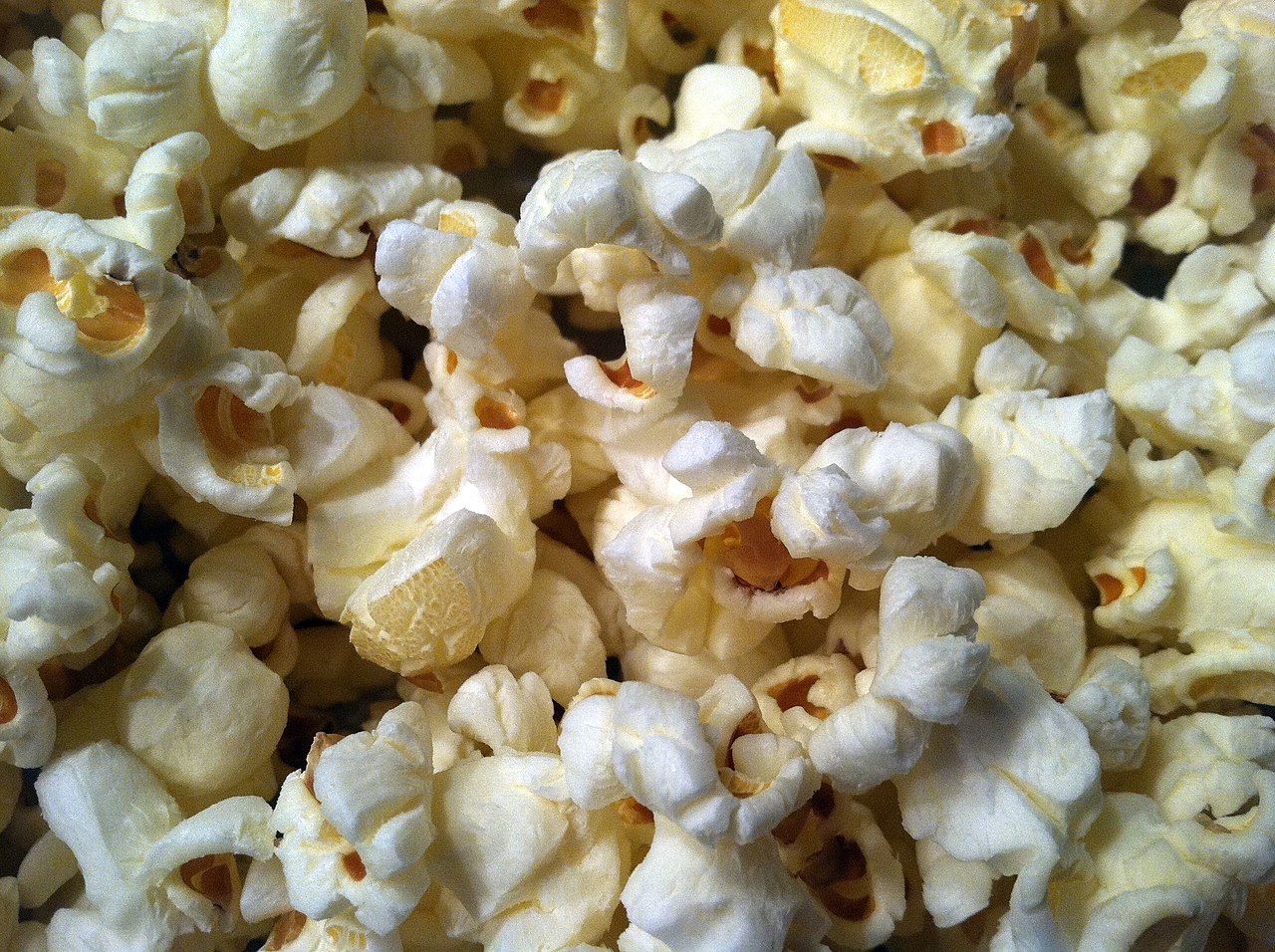
Popcorn is a snack produced when kernels of a particular kind of maize (commonly called popcorn, scientifically Zea mays everta) are heated until they burst open. Each kernel contains a small amount of moisture inside a hard outer shell; when that moisture turns to steam the interior expands and the kernel ruptures, creating the familiar white, irregularly shaped puff. Because of its wide appeal and portability, popcorn is a common snack food at home, at fairs, and in movie theaters.
Image gallery
10 Images



How it pops
The physical change that creates popped corn depends on three key features: a strong pericarp (outer shell), the right internal moisture, and starchy endosperm. As heat is applied, the moisture becomes steam and the starch softens and gelatinizes. When the shell finally splits, the pressurized steam causes the softened starch to expand rapidly and cool into a foam-like structure. The sudden rupture also produces the sharp sound commonly associated with popping, which is the origin of the snack's name.
Varieties and preparation
Commercial popcorn is sold as whole kernels and in ready-to-eat forms. Two common popped shapes are the light, irregular "butterfly" type, and the rounder, denser "mushroom" type; the latter holds up better under heavy coatings. Typical preparation methods include:
- Air-popping, which uses heated air and no added fat;
- Stovetop or commercial kettle methods that use oil and high direct heat;
- Microwaveable bags that contain oil and seasonings for home convenience;
- Large machines used by theaters and concession stands to produce high volumes.
Kernels used for popcorn are a distinct group of maize and differ from sweet corn or field corn in structure and moisture; for more on related types see corn varieties.
History and cultural role
Indigenous peoples of the Americas cultivated and consumed popcorn long before European contact, and archaeological remains show popped kernels and related items dating back thousands of years. In the 19th and 20th centuries popcorn became inexpensive and widely sold by street vendors, and it later became strongly associated with cinemas, sporting events, and fairs. Its low cost and portability contributed to its popularity during economically difficult periods.
Flavors, uses and nutrition
Popcorn is commonly seasoned with salt and melted butter; other popular treatments include caramel, kettle corn (sweet and salty), cheese flavorings, and savory spice blends. Plain air-popped popcorn is a whole-grain snack that provides dietary fiber and is relatively low in calories, but added fats, sugars, and sodium can make prepared forms much richer. Beyond eating, popcorn has been used decoratively (for example as garlands) and in confectionery and promotional settings.
Related articles
Author
AlegsaOnline.com Popcorn Leandro Alegsa
URL: https://en.alegsaonline.com/art/78054
Sources
- goodhousekeeping.com : goodhousekeeping.com/health/news/a41598/two-year-old-dies-after-choking-on-popcorn/
- today.com : today.com/health/popcorn-safe-young-children-eat-toddler-aspirates-kernels-t150742
- nasimahealth.com : nasimahealth.com/carbs-in-popcorn/