
Smallmouth bass (Micropterus dolomieu): description, range, and importance
Overview of the smallmouth bass, a North American freshwater game fish: taxonomy, appearance, life history, habitat, range and introductions, angling significance, and ecological impacts.
Overview
The smallmouth bass (Micropterus dolomieu) is a well-known freshwater species of fish in the sunfish family, valued both ecologically and recreationally. It is placed in the Centrarchidae family (Centrarchidae) within the order Perciformes (Perciformes), and serves as the type species for the genus Micropterus. As one of the black basses, the smallmouth is one of the most popular game fish pursued by anglers across much of North America.
Image gallery
10 Images
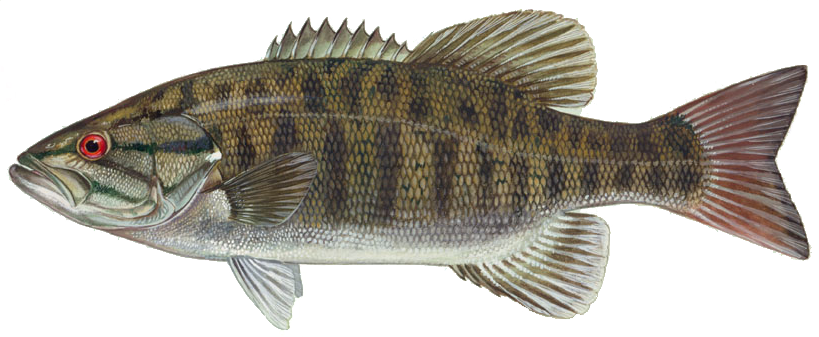


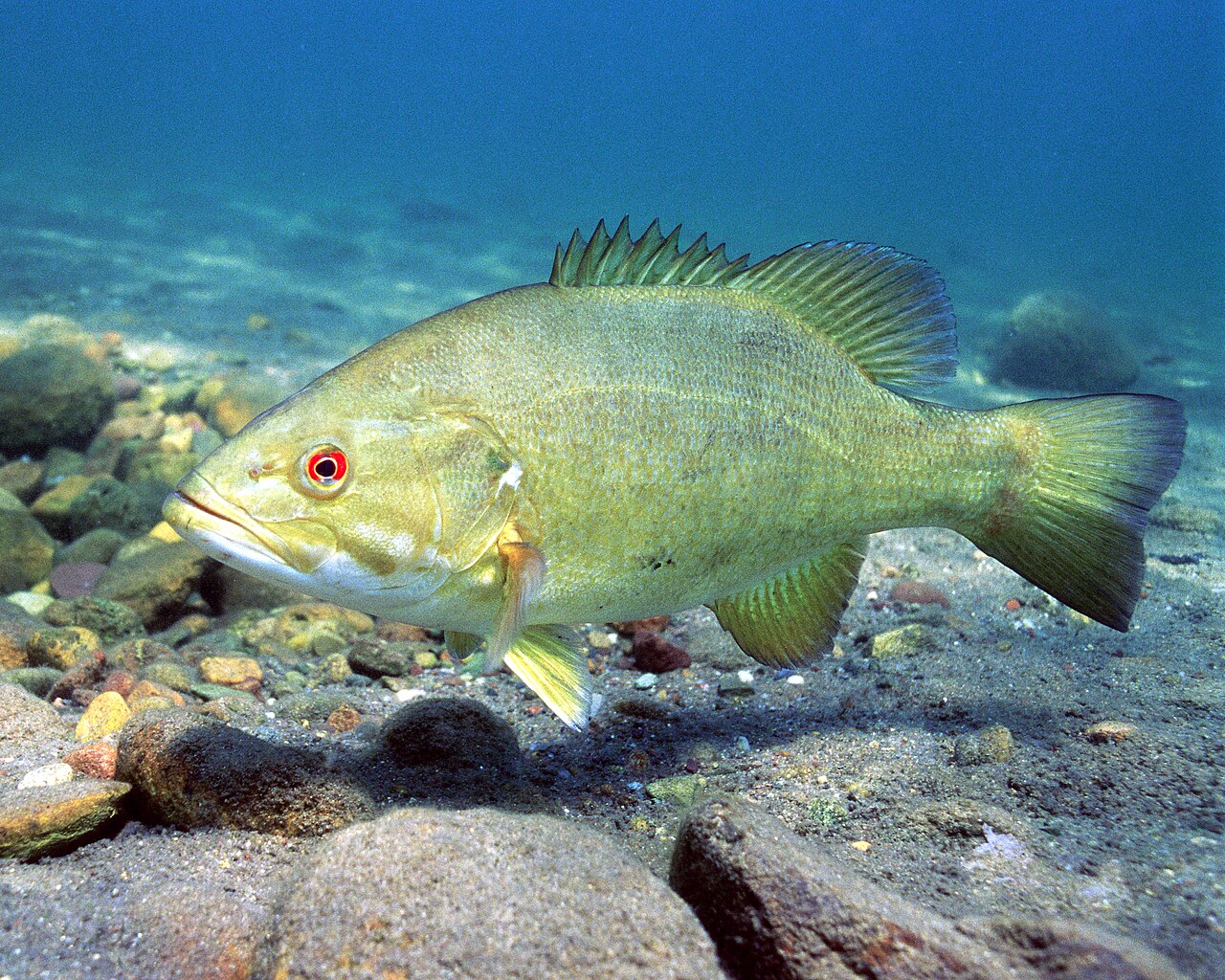


Taxonomy and common names
Common names include smallmouth, smallie, bronzeback, brownie, and bareback bass. Scientific classification emphasizes its relationship to other centrarchids and its distinction from related species such as largemouth or spotted bass; diagnostic features are used by biologists and fisheries managers to identify populations and manage stocks.
Appearance and size
Adults typically show olive to brown upper coloration with vertical bars or blotches along the flanks and a lighter belly. The mouth is comparatively smaller than that of the largemouth bass, usually not extending beyond the eye. The dorsal fin appears continuous with a shallow notch, separating spiny and soft portions. Size varies with habitat and food availability; most populations produce fish of modest size while some waters yield trophy specimens.
Habitat, diet and life history
Smallmouth bass favor clear, cool to moderately warm streams, rivers, lakes and reservoirs with rocky or gravel substrates and structural cover such as ledges, boulders and submerged wood. Juveniles feed mainly on invertebrates while adults are largely piscivorous and also consume crayfish and larger aquatic insects. Spawning generally occurs in spring as waters warm; males excavate and guard shallow nests until the young disperse.
Native range and human-assisted introductions
The species is native to parts of eastern and central North America, notably the upper and middle Mississippi River basin, the Saint Lawrence River and Great Lakes systems, and northward drainages into the Hudson Bay basin. Because it is a sought-after sport fish, it has been widely moved by intentional stocking into appropriate cool-water lakes and tributaries beyond its native range.
Ecological impacts and management
Introductions have produced strong recreational fisheries but have also altered recipient ecosystems by predation and competition with native fishes in some regions. Fisheries managers balance angler demand and conservation by implementing regulations such as size and bag limits, habitat protection, and monitoring programs. Effective management relies on monitoring population trends and habitat conditions.
Angling and cultural significance
Smallmouth bass are prized for their aggressive strikes and spirited fight on light tackle, making them a centerpiece of recreational fishing and local economies in many regions. Anglers use a variety of methods including artificial lures, flies, and live bait. Catch-and-release practices and voluntary stewardship by anglers contribute to sustaining fisheries.
Similar species and identification tips
To distinguish smallmouth from largemouth or spotted bass, note mouth size, body patterning and habitat preferences: smallmouths commonly show vertical bars and prefer clearer, rockier waters. For authoritative identification, consult species accounts and regional fish guides provided by fisheries agencies and natural history collections.
- Species overview and identification: species information
- Family and taxonomic context: sunfish family (Centrarchidae)
- Order placement: Perciformes (Perciformes)
- Recreational importance: game fish for anglers
- Native basins and distribution: Mississippi River, Saint Lawrence River, Great Lakes, Hudson Bay
- Stocking and range expansion: stocking
- Taxonomic note: type species of Micropterus
- Group association: black basses
For more detailed information on local populations, regulations and conservation measures consult relevant fisheries agencies and regional field guides. Scientific studies and management plans provide the best sources for population-specific data and recommended practices.
Questions and answers
Q: What species is the smallmouth bass?
A: The smallmouth bass is a species of freshwater fish.
Q: What family does the smallmouth bass belong to?
A: The smallmouth bass belongs to the sunfish family (Centrarchidae) of the order Perciformes.
Q: Is the smallmouth bass a popular game fish?
A: Yes, the smallmouth bass is a popular game fish sought by anglers throughout the temperate zones of North America.
Q: Has the smallmouth bass been introduced to other lakes and rivers?
A: Yes, the smallmouth bass has been spread by stocking to many cool-water tributaries and lakes in Canada and the United States.
Q: Where is the smallmouth bass native to?
A: The smallmouth bass is native to the upper and middle Mississippi River basin, the Saint Lawrence River-Great Lakes system, and up into the Hudson Bay basin.
Q: What are some common names for the smallmouth bass?
A: Common names for the smallmouth bass include smallmouth, bronzeback, brown bass, brownie, smallie, bronze bass, and bareback bass.
Q: Is the smallmouth bass a black bass?
A: Yes, the smallmouth bass is one of the black basses.
Related articles
Author
AlegsaOnline.com Smallmouth bass (Micropterus dolomieu): description, range, and importance Leandro Alegsa
URL: https://en.alegsaonline.com/art/91191
Sources
- species.wikimedia.org : Micropterus dolomieu
- commons.wikimedia.org : Smallmouth bass
- fishingtipsdepot.com : Bass Fishing Information
- gf.state.az.us : Arizona Game & Fish Department, Smallmouth Bass
- wrec.igfa.org : IGFA Smallmouth Bass All-Tack World Record