
Small white (Pieris rapae)
Pieris rapae, the small white or cabbage white, is a common butterfly in the Pieridae family known for its pale wings, association with brassicas, and widespread distribution due to accidental human introduction.
Overview
The small white (Pieris rapae) is a small to medium-sized butterfly in the 'yellows and whites' family, Pieridae. Often called the cabbage white or small cabbage white, it is familiar in gardens, fields and disturbed areas where its preferred host plants grow. It is valued as a pollinator but is also known as an agricultural pest because its larvae feed on brassicas.
Image gallery
10 Images




Appearance and identification
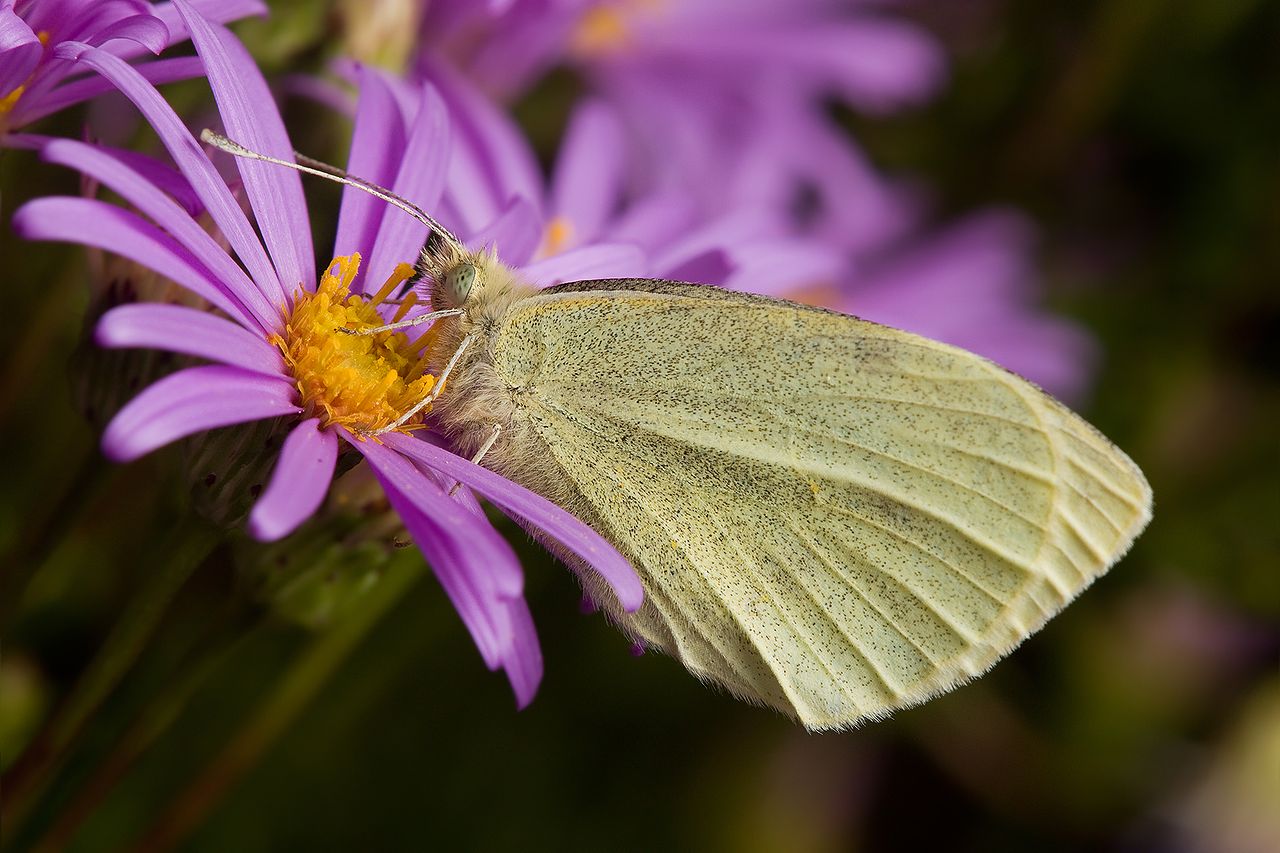
Adults are pale white to creamy with dark tips on the forewings. Females usually show one or two dark spots on each forewing, while males typically have fainter or single spots. The undersides of the wings are lighter and sometimes yellowish. The caterpillar is green with faint striping, blending well on cabbage and mustard leaves.
Life cycle and behavior
Like other butterflies, the small white undergoes complete metamorphosis: egg, larva (caterpillar), pupa (chrysalis) and adult. Females lay small, ribbed eggs on host leaves. Caterpillars feed on the foliage of plants in the Brassicaceae (mustard) family and, after completing development, pupate attached to stems or leaves. Several broods can occur in a single year in warm areas.
Distribution and habitat
Native to Eurasia and parts of North Africa, Pieris rapae has been accidentally introduced to other regions and is now common across many temperate and subtropical areas of the world. It frequents gardens, agricultural fields, meadows and roadsides wherever suitable host plants are available.
Relationship with humans
Gardeners recognize the species for its attraction to brassica crops—cabbage, kale, broccoli and related plants—where larval feeding can cause cosmetic and economic damage. Management strategies include physical exclusion (netting), manual removal of caterpillars or eggs, and encouraging natural predators. The species also contributes to pollination of various flowering plants.
Similar species and resources
The small white can be confused with other white pierids, such as the large white. Key differences include size, the pattern and number of wing spots, and distribution. For further taxonomic and conservation information see the family overview at Pieridae or a species guide entry at Pieris rapae.
- Distinctive traits: pale wings, dark forewing tips, female wing spots.
- Host plants: cabbages, mustards and other Brassicaceae.
- Human impact: common garden pest; also a pollinator.
Related articles
Author
AlegsaOnline.com Small white (Pieris rapae) Leandro Alegsa
URL: https://en.alegsaonline.com/art/91189
Sources
- commons.wikimedia.org : Pieris rapae