
SIM card: function, types, history, and practical considerations
Overview of SIM cards: what they are, how they work, form factors (mini/micro/nano/eSIM), security features, uses, history and current trends like embedded SIM and IoT applications.
Overview
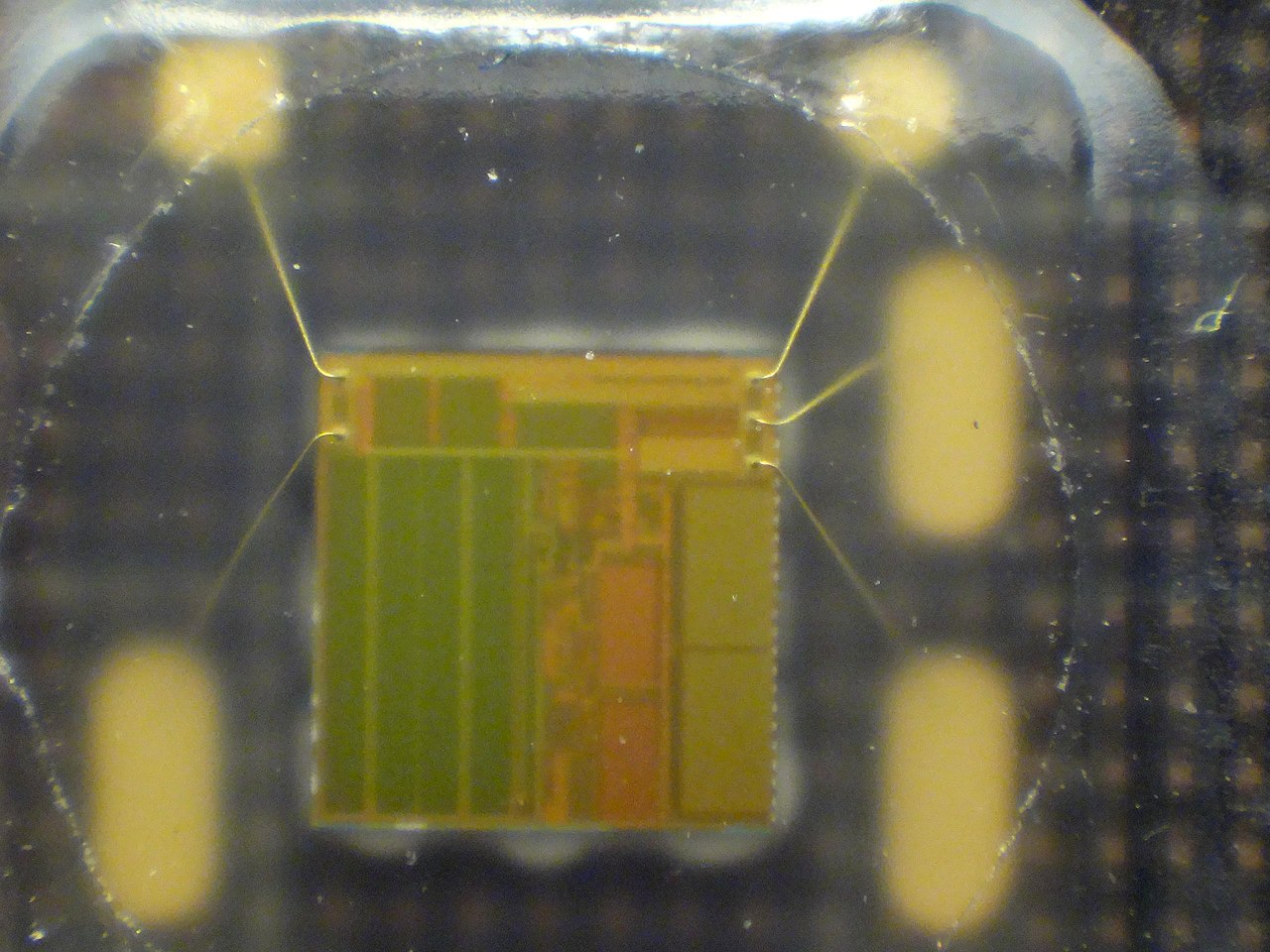
A SIM card (Subscriber Identity Module) is a small smart integrated circuit used to securely store information that identifies and authenticates a subscriber on a cellular network. Inserted into a handset or embedded in a device, a SIM contains data that lets the network recognize the subscriber, enable calls and data, and apply billing and service settings. In everyday language these modules are commonly referred to simply as "SIMs" and are a central component of most mobile telephony systems.
Image gallery
10 Images





Core components and identifiers
A typical SIM holds several pieces of important data and logic. These include a unique International Mobile Subscriber Identity (IMSI) and an integrated card identification number (ICCID) printed on the card. The module also contains a secret authentication key (Ki) used in challenge–response authentication with the mobile network, and secure storage for small user data such as contact entries or operator service settings. The SIM's functionality is enabled by a small microcontroller and read-only/rewritable memory, making it a specialized smart card.
Form factors and modern alternatives
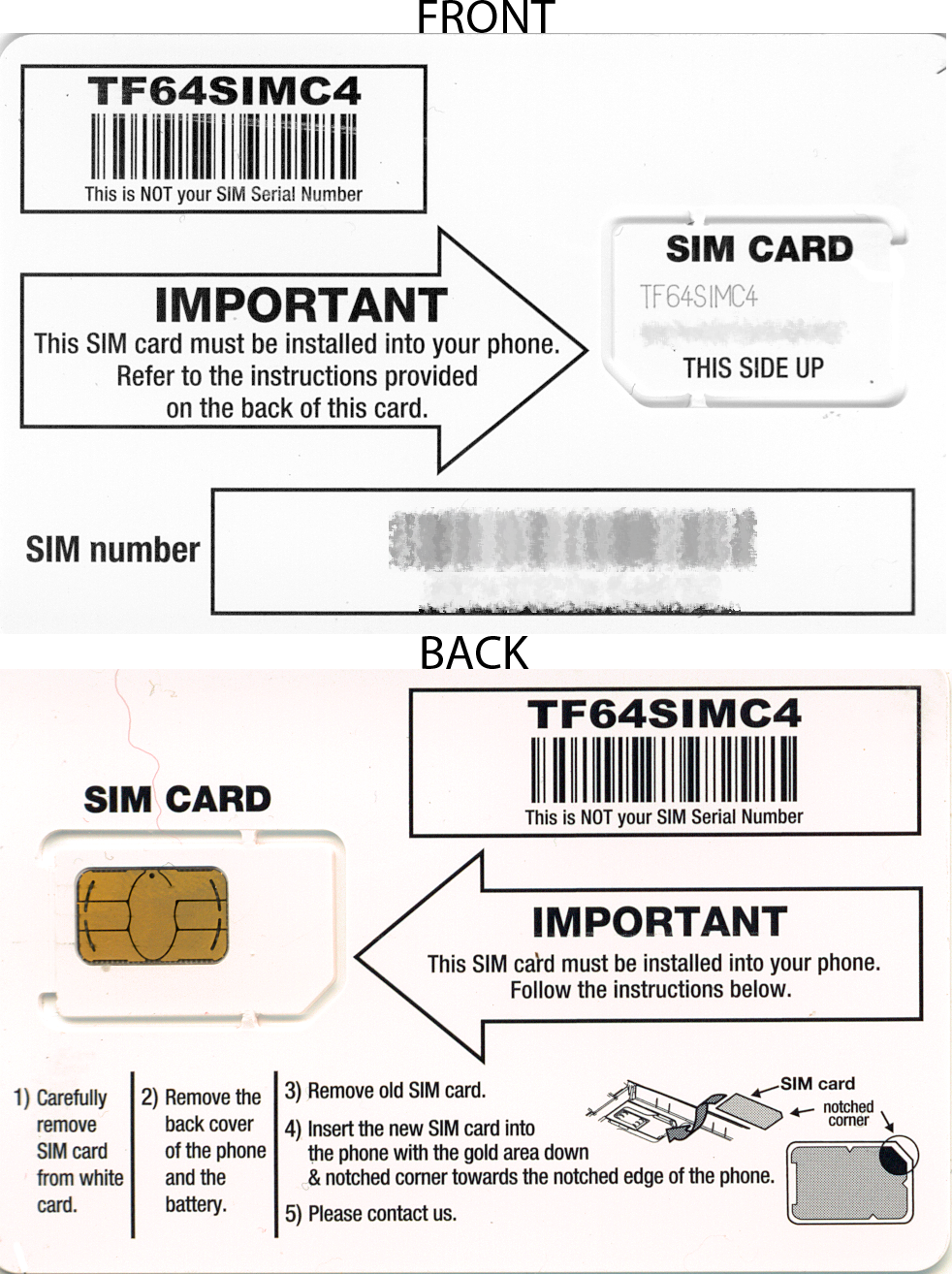
SIMs have evolved physically over time. Older phones used large cards roughly the size of a credit card; later designs introduced the mini, micro and nano sizes to save internal space within devices. Today many devices also support embedded SIMs (eSIMs), which are soldered onto a circuit board and can be remotely provisioned, and multi‑IMSI or virtual SIM profiles for greater flexibility. Most contemporary smartphones accept micro or nano sizes, often with adapters available for interchangeability.
Security, authentication and encryption
Security features include a personal identification number (PIN) that locks access to the card and a PIN unblock key (PUK) used to restore access if the PIN is forgotten. When a device powers on it uses the SIM to authenticate to the network: the network issues a challenge and the SIM computes a response using its secret key, so the actual key is never transmitted. The SIM also participates in protecting voice and data by supporting cryptographic procedures agreed with the network operator; these mechanisms help provide confidentiality and integrity during transmission. For enhanced privacy, temporary identifiers such as TMSI (Temporary Mobile Subscriber Identity) can be used on-air instead of the permanent IMSI.
Uses, variants and examples
- Primary use: identify and authenticate a subscriber so the device can access voice, SMS and data services.
- Storage: small address books and operator settings; historically used to transfer contacts between phones.
- Variants: removable SIM, embedded SIM (eSIM), machine-to-machine (M2M) SIMs designed for IoT devices, and multi‑SIM arrangements such as dual‑SIM phones.
- Practical matters: carriers may lock a SIM to a device (network lock); roaming allows a SIM to connect to foreign networks subject to agreements and charges.
History, standards and recent developments
SIM technology emerged with the GSM family of standards in the early 1990s as a portable means of subscriber identity and security. Standards bodies and industry groups refined the physical sizes, electrical interface and operating system features over time. Current trends include the growth of eSIM and remote provisioning for consumer devices and the proliferation of SIM-like credentials in the Internet of Things (IoT) where robust remote management and small form factors are important.
Practical notes and troubleshooting
When changing phones, users can move a removable SIM between compatible devices, though size adapters or trimming are sometimes required. Losing a SIM or forgetting the PIN should prompt contact with the operator to obtain a replacement or a PUK code. For questions about provisioning, locking and advanced capabilities, consult your carrier or device documentation. For further reading on the underlying technologies and standards, see operator and standards resources such as documentation on mobile phones and network authentication, treatments of encryption and secure elements, and comparisons of physical form factors like a credit card sized card versus modern tiny modules.
Additional resources: device manuals and carrier help centers explain how to manage SIMs, enable features such as dual SIM support, or migrate to an eSIM profile. Technical specifications from standards organizations describe the low‑level interfaces and security models for implementers and enterprise users.
Related articles
Author
AlegsaOnline.com SIM card: function, types, history, and practical considerations Leandro Alegsa
URL: https://en.alegsaonline.com/art/90492