
Silicate: structure, types, occurrence and uses
Silicates are minerals and compounds built from silicon centered anions (commonly SiO4 tetrahedra) that form chains, sheets or frameworks; they dominate Earth’s crust and have wide industrial uses.
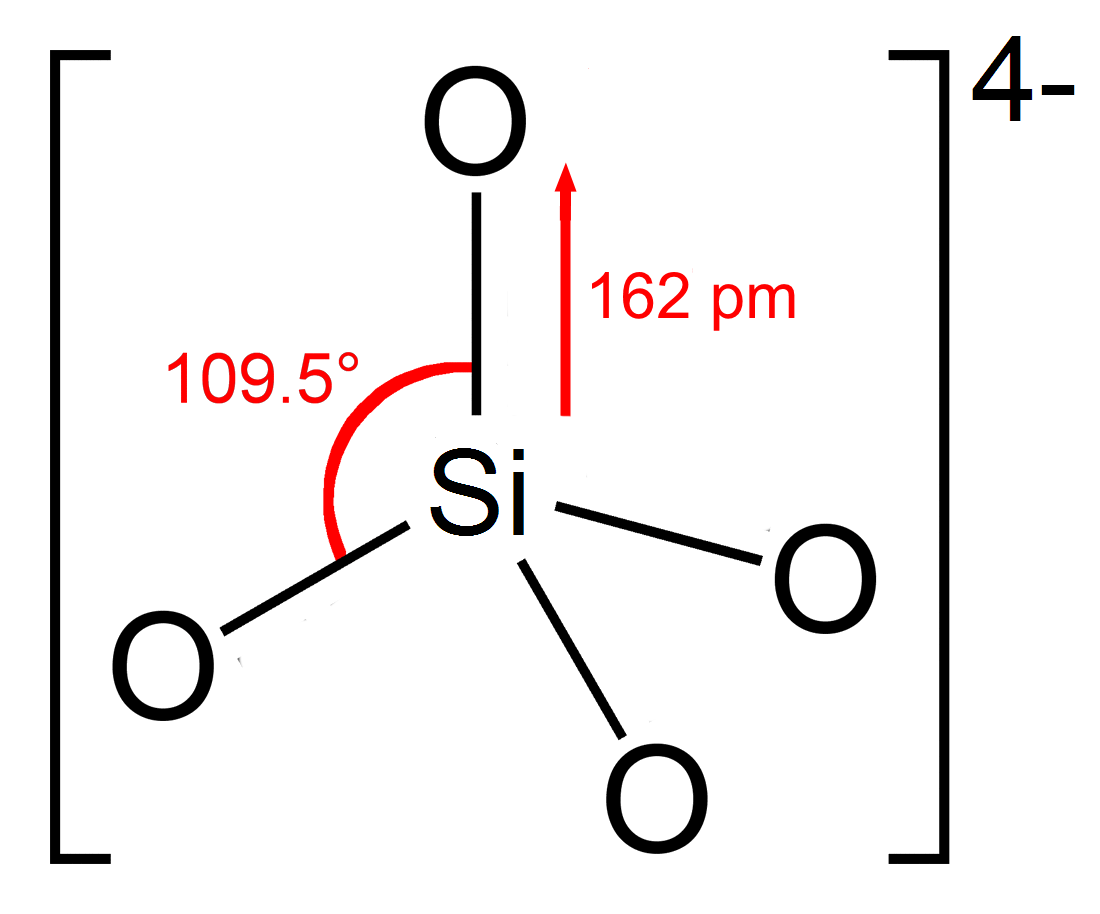
In general chemical terms a silicate is any compound in which a central silicon atom is bonded to surrounding electronegative anions. For a concise introduction see chemistry. The familiar form of silicate features silicon coordinated by oxygen atoms to make silicate anions; an example is the tetrahedral SiO4 unit often described in mineralogy. A silicate anion carries a net negative charge and that charge is balanced in nature and in materials by other cations such as sodium, potassium, calcium, magnesium or iron. The word compound in older texts covers both discrete molecular silicates and extended solid networks.
Image gallery
7 Images



Structure and classification
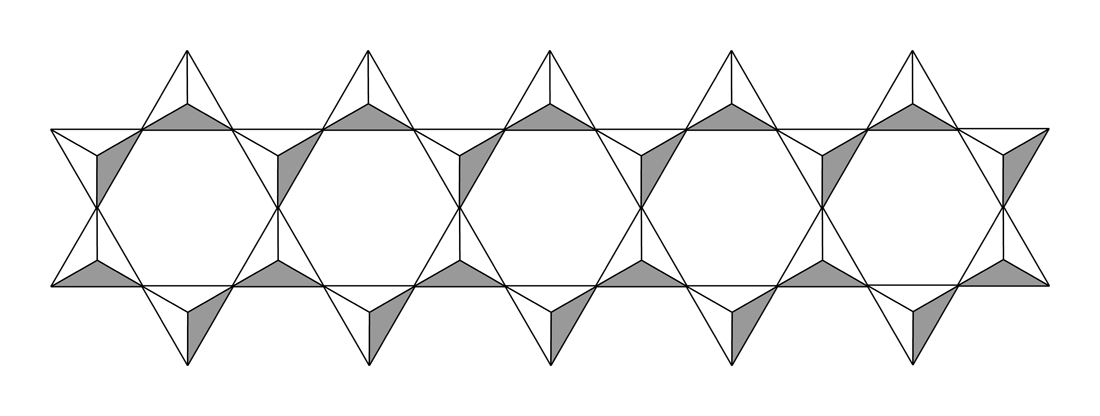
Silicates are best understood by the arrangement of silicon and its anions. The basic building block is the silicon-centered tetrahedron, in which silicon bonds to four oxygen atoms. These tetrahedra can remain isolated or link together by sharing one or more oxygen atoms, producing varied architectures:
- Nesosilicates (isolated tetrahedra)
- Sorosilicates (paired tetrahedra)
- Inosilicates (single or double chains)
- Phyllosilicates (sheet silicates, common in clays and micas)
- Tectosilicates (three-dimensional frameworks such as feldspars and quartz)
Occurrence and geological importance
Silicate minerals make up the vast majority of Earth’s crust and mantle. They crystallize from magmas, form during metamorphism, and alter at the surface through weathering. Common rock-forming groups—olivine, pyroxene, amphibole, mica and feldspar—are all silicate families. Because of their abundance and chemical behavior, silicates control many aspects of geology: rock textures, soil composition and the distribution of economically valuable minerals.
Properties and chemical behavior
Key chemical features stem from the Si–O bonding and the ability of tetrahedra to polymerize. When tetrahedra share oxygen atoms they reduce the net anionic charge per silicon; consequently, different silicate structures require different amounts and types of balancing cations. Silicates range from hard, chemically resistant framework minerals like quartz to softer, hydrated sheet silicates that expand with water. Surface reactions, dissolution and reprecipitation of silicates influence soil chemistry and the mobility of elements.
Uses, applications and notable examples
Silicates have been exploited throughout human history. Glass and ceramic technology depends on silica and feldspathic silicates; Portland cement and many building materials derive from calcium silicate chemistry. Natural and synthetic silicate materials serve as adsorbents and catalysts (for example, zeolites are microporous aluminosilicates). In biology, certain organisms produce amorphous silica shells. Industrially useful forms include silica gel, clays, and engineered framework silicates used in separation and catalysis.
Distinctions and related terms
It is useful to distinguish between the molecular idea of a silicate anion and bulk silica (SiO2), which forms the mineral quartz and various glasses. The term silicate thus covers a broad family: discrete anions, hydrated layers, chains and three-dimensional frameworks with diverse physical and chemical properties. For further technical reading see silicon-centered chemistry and mineral databases referenced at anions and oxygen resources.
Related articles
Author
AlegsaOnline.com Silicate: structure, types, occurrence and uses Leandro Alegsa
URL: https://en.alegsaonline.com/art/90400