
Sikasso: Regional Capital and Commercial Hub in Southern Mali
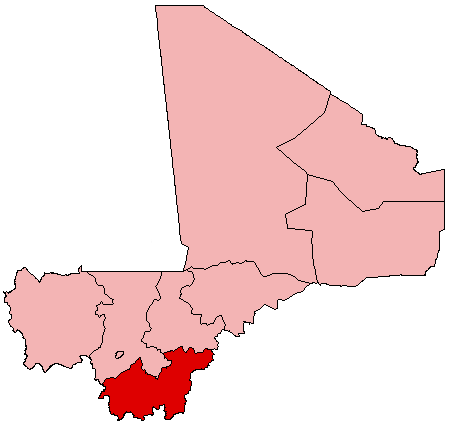
Sikasso is a major city in southern Mali, capital of Sikasso Region and Cercle. An agricultural and market centre near international borders, it is Mali's second-largest city (2009 census).
Overview
Sikasso is a city in the south of Mali and serves as the administrative centre of both the Sikasso Region and the Sikasso Cercle. It is commonly described as the country's second-largest city by population; the 2009 census recorded 225,753 residents. Located in the Sudanian climatic zone, the city functions as a regional market and service hub for surrounding agricultural areas and smaller towns.
Image gallery
5 Images


Geography and environment
The surrounding landscape features wooded savanna and higher annual rainfall than much of central and northern Mali. Seasonal streams and rivers support smallholder farming and agroforestry. Sikasso's position in the far south gives it strong overland connections with neighbouring countries and places it on several regional road corridors used for trade and transport.
History
Sikasso developed around a historical regional polity and grew as an important pre-colonial centre of agriculture, crafts and commerce. In the late 19th and early 20th centuries the area was shaped by local rulers and then by colonial administration, which altered political boundaries and economic patterns while leaving a legacy of fortifications and local institutions.
Economy and transport
The city's economy is dominated by agriculture and related commerce. Surrounding farms produce grains, cotton and other crops that are brought into urban markets for sale and export. Sikasso acts as a collection and distribution point for produce, livestock and consumer goods. Transport links include paved roads to the national capital, regional bus services and a local airport that provides basic regional connections.
Culture and population
Sikasso has a multiethnic population that includes several major Malian groups and hosts a variety of religious and cultural practices. Markets, traditional crafts such as weaving and pottery, musical traditions and local festivals are important elements of daily life. The city also provides regional educational, health and administrative services that attract people from the surrounding countryside.
Administration and demography
As the administrative capital of the Sikasso Region and the Sikasso Cercle, the city is the focal point for regional government offices and development programmes. Demographic figures from the 2009 official count are frequently cited in discussions of urban planning and service provision in southern Mali.
Regional importance
Sikasso's location near international frontiers gives it cross-border trading links and a role in regional commerce. It remains an important centre for agricultural collection, small-scale processing and market trade, and is often referenced in reports and overviews of southern Mali economic activity and development.
- Administrative role: capital of the Sikasso Region and the Sikasso Cercle.
- Population: commonly cited as Mali's second-largest city based on the 2009 census.
- Economic focus: agriculture, markets and cross-border trade.
Sikasso continues to balance modest urban growth with the agrarian economy of its hinterland and serves as a regional focal point for trade, services and cultural exchange in southern Mali.
Related articles
Author
AlegsaOnline.com Sikasso: Regional Capital and Commercial Hub in Southern Mali Leandro Alegsa
URL: https://en.alegsaonline.com/art/90359