
Siegbert Tarrasch: German Chess Master, Physician, and Theorist (1862–1934)
Siegbert Tarrasch (1862–1934): German physician and dominant chess master and theorist of the late 19th–early 20th century, major tournament winner, influential writer, and 1908 challenger for the World Chess Championship.
Siegbert Tarrasch (born 5 March 1862 in Breslau, now Wrocław; died 17 February 1934 in Munich) was a German medical doctor and one of the leading chess players of his era.
Image gallery
3 Images

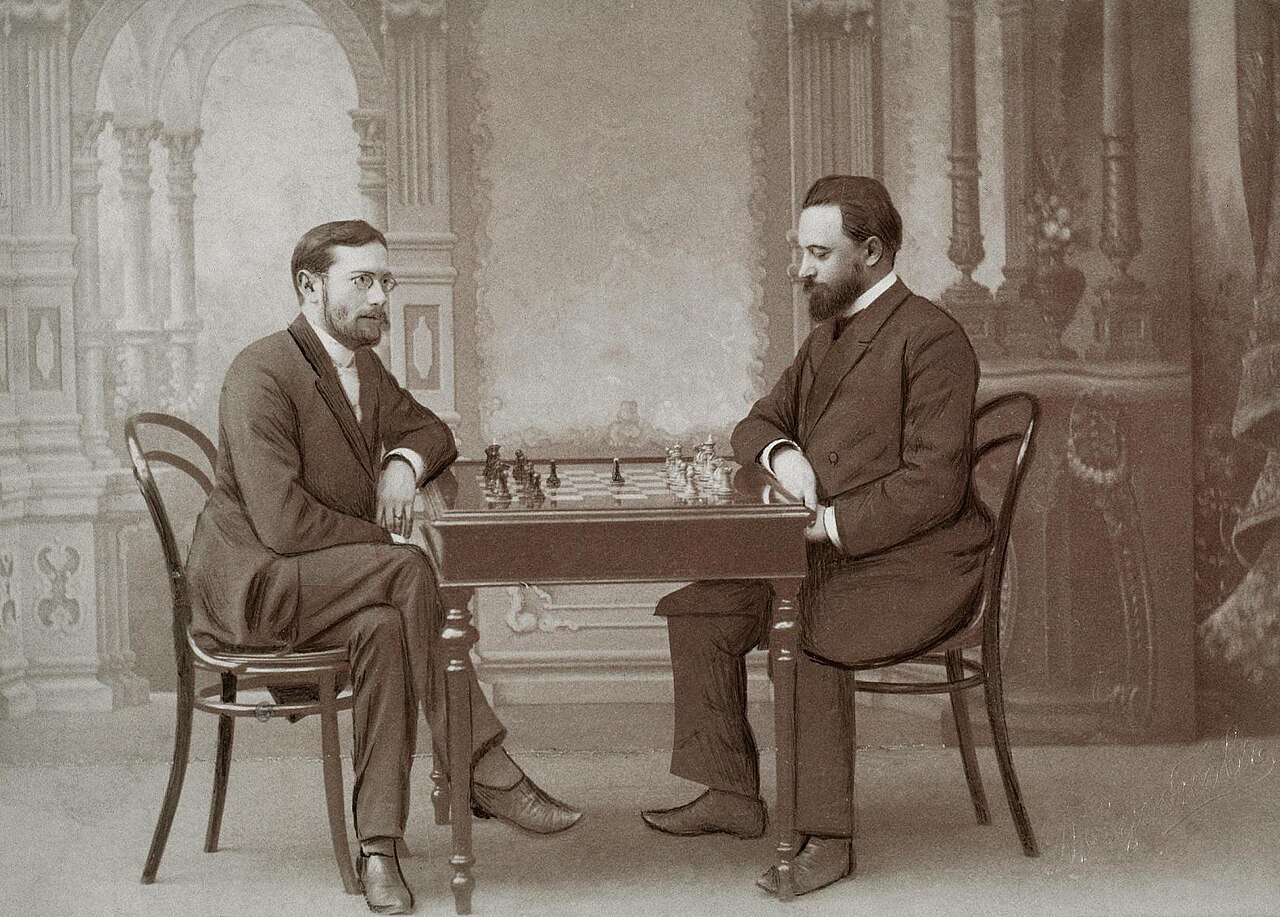
Early life and professional career
Tarrasch grew up in Breslau, then part of Prussian Silesia. In 1880 he left home to study medicine, and subsequently qualified as a physician. He spent many years living in Nuremberg in Bavaria, and later moved to Munich.
Personal background
Born into a Jewish family, Tarrasch converted to Christianity in 1909. He identified strongly as German; one of his sons was killed during World War I. In the final years of his life he was subjected to antisemitism as the Nazism movement gained ground.
Chess career
Tarrasch dominated tournament play in the 1890s, winning more major events in that decade than any of his contemporaries. He drew a notable 22-game match with the Russian master Mikhail Chigorin. In addition to his results at the board, he was an influential chess writer whose teaching and assessments summed up many of the strategic ideas of the time. Those ideas later provoked a reaction from the hypermoderns in the early 1920s.
World Championship matters and later play
Busy with his medical practice, Tarrasch never arranged a match with Wilhelm Steinitz. When the young Emanuel Lasker asked him for a match, Tarrasch declined; Lasker then challenged Steinitz and captured the world chess championship. Tarrasch later mounted his own challenge against Lasker, contesting the world championship in 1908, but was unsuccessful.
Although he was past his peak after 1908, Tarrasch continued to play for many years. His strongest late-career performance was at the 1914 St. Petersburg tournament, where he reached the final pool and finished fourth behind Lasker, José Raúl Capablanca and Alexander Alekhine.
Questions and answers
Q: Who was Siegbert Tarrasch?
A: Siegbert Tarrasch was a German doctor and one of the strongest chess grandmasters of his time. He was born in Breslau, Prussian Silesia, but lived most of his life in Nuremberg and Munich. He converted to Christianity in 1909.
Q: What did Tarrasch achieve during the 1890s?
A: During the 1890s, Tarrasch won more strong tournaments than any other player and drew a 22-game match against Mikhail Chigorin, the leading Russian player. He also summarised the chess ideas of that decade.
Q: Why did he not challenge Steinitz?
A: Tarrasch was occupied with his profession as a physician and thus did not have time to challenge Steinitz for the world championship.
Q: What mistake did he make?
A: His mistake was turning down Emanuel Lasker's request for a match, which allowed Lasker to then challenge Steinitz instead and eventually win the world chess championship.
Q: When did Tarrasch unsuccessfully challenge Lasker for the world championship?
A: In 1908, when he was past his best playing days, Tarrasch unsuccessfully challenged Lasker for the world championship.
Q: What result did he achieve at St Petersburg 1914 tournament?
A: At St Petersburg 1914 tournament, he reached fourth place behind Lasker, Capablanca and Alekhine.
Related articles
Author
AlegsaOnline.com Siegbert Tarrasch: German Chess Master, Physician, and Theorist (1862–1934) Leandro Alegsa
URL: https://en.alegsaonline.com/art/90247
Sources
- chesshistory.com : Chess Notes 5997