
Siddur: the Jewish prayer book
A siddur is the traditional Jewish prayer book containing the set order of daily, Shabbat and festival prayers, blessings, liturgical poems and instructions, with many rites and modern variations.
A siddur is the standard Jewish prayer book that sets out the fixed sequence of prayers, blessings and liturgical poems used in public and private worship. The word derives from a Hebrew root meaning “order” and reflects the book’s role in organizing religious speech and ritual. Many siddurim are printed in Hebrew with translations, transliterations and notes so worshippers of different backgrounds can use them.
Image gallery
7 Images


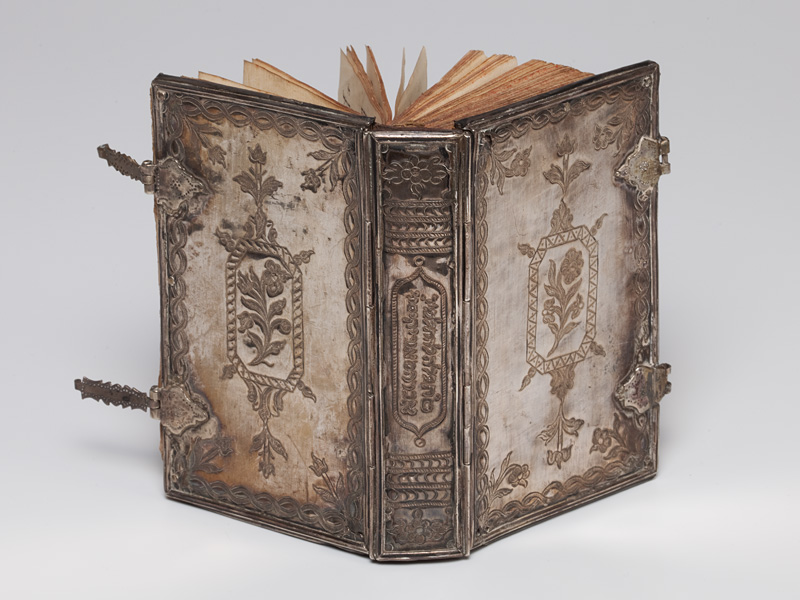

Typical components and structure
Most siddurim present a set of recurring sections for the day and the year. Common items include:
- Daily prayers: Shacharit (morning), Mincha (afternoon) and Ma'ariv (evening).
- Core texts: the Shema and its blessings, and the Amidah (the Standing Prayer) with its weekday and festival variants.
- Psalms and praises: psukei dezimra (verses of song), and introductory hymns.
- Blessings and life‑cycle prayers: for food, commandments, childbirth, illness and other events.
- Piyyutim and special additions: liturgical poems inserted for Sabbath and festivals.
History and development
The sidduric material has roots in biblical and rabbinic periods but reached recognizable forms in the early medieval era. Talmudic prescriptions determined many core prayers, and later compilers—especially the Geonim of Babylonia—collected and arranged texts into ordered books. Medieval and early modern printing helped standardize local rites, while regional customs continued to shape variations.
Variants, rites and distinctions
Different Jewish communities follow distinct liturgical traditions or nusach, such as Ashkenazic, Sephardic and those of Middle Eastern communities. Some siddurim are tailored to particular movements—Orthodox, Conservative, Reform—or to devotional traditions like Chabad’s Nusach Ari. A related book, the machzor, is a festival prayerbook focused on the High Holidays; many modern siddurim, however, include festival material as well. For background on communal streams see streams.
Uses and contemporary forms
Siddurim remain central to Jewish daily life, used both for communal synagogue services and private devotion. Modern editions often add translation, transliteration, commentary, halakhic guidance and gender‑inclusive language options. Digital siddur apps and printable editions make texts widely available, while scholarly editions present historical variants and critical notes for study.
The siddur is thus both a liturgical manual and a living record of religious practice: it preserves core prayers, accommodates local custom and adapts to changing needs of worshippers across time and place. For general information about Jewish prayer and liturgy see Jewish resources.
Related articles
Author
AlegsaOnline.com Siddur: the Jewish prayer book Leandro Alegsa
URL: https://en.alegsaonline.com/art/90211
Sources
- thefreedictionary.com : Siddur