
Sicilian Mafia (Cosa Nostra)
Cosa Nostra, commonly known as the Sicilian Mafia, is a criminal organization originating in Sicily that developed a distinctive structure, code, and influence in both illicit and legitimate sectors.
The Sicilian Mafia, widely called Cosa Nostra (Italian for "our thing"), is a long-established organized crime group that originated in Sicily and later extended influence beyond the island. Its members traditionally refer to themselves as "men of honour"; outsiders may use terms such as mafiosi. The group is best known for combining violence, secrecy, and commercial-style organization to control local economies, resolve disputes, and enforce agreements outside the law.
Image gallery
7 Images

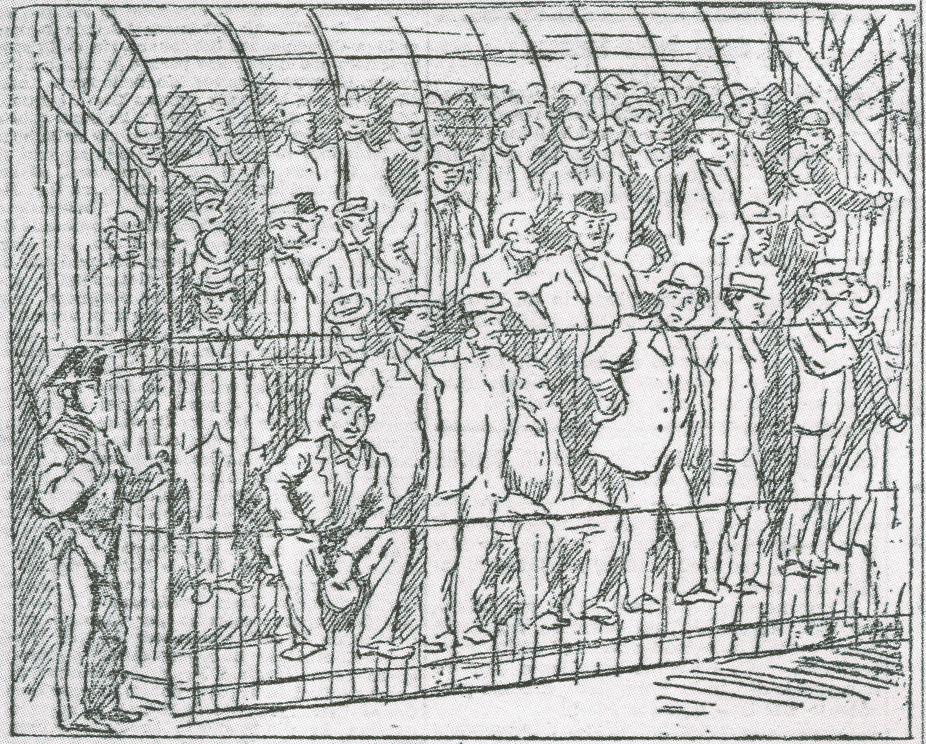


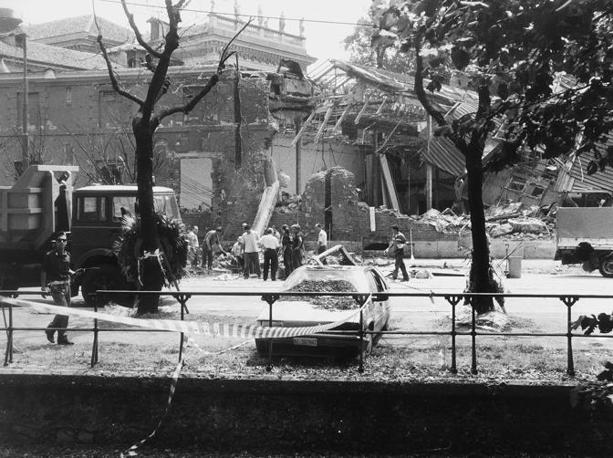

Organization and internal code
At a local level the basic unit is the "family" or cosca, a group claiming authority over a given town, neighborhood, or territory. Families are led by bosses and supported by a hierarchy of lieutenants, soldiers and associates. The organization historically relied on an oath-bound code of silence and elaborate rituals to regulate membership and internal discipline. Families sometimes coordinate through provincial or territorial commissions to settle disputes and allocate markets, creating a federated but often fractious network.
Activities and methods
The Sicilian Mafia has engaged in a wide range of illicit activities. These include protection rackets and extortion, control of construction and public contracts through corruption, money laundering, loan-sharking, and trafficking in drugs and weapons. Beyond direct crime, the group has invested in or infiltrated legitimate businesses to conceal proceeds and gain political and economic influence. Violence—murders, bombings and intimidation—has been used both to eliminate rivals and to coerce cooperation.
Historical development
Scholars trace Cosa Nostra’s roots to the social and economic conditions of 19th-century Sicily, where weak state institutions and a fragmented countryside created space for private power brokers. Over the 20th century it adapted to changing opportunities: postwar rebuilding, illicit international markets and the globalization of drug trade expanded its reach. In the 1980s and 1990s a major internal war and then intensive legal prosecutions shook the organization, leading to high-profile trials and stricter anti-mafia measures.
Law enforcement, trials and reforms
Italian and international law enforcement intensified efforts to dismantle Mafia structures. Large-scale prosecutions and witness protection programs, legislative innovations targeting criminal conspiracies, and financial investigations into money laundering have removed key leaders and disrupted operations. Still, the group’s ability to adapt, infiltrate legitimate sectors and exploit institutional weaknesses has required ongoing legal and social responses.
Impact and public perception
The Sicilian Mafia has had significant cultural, economic and political effects in Italy and abroad. It has influenced popular culture, inspired literature and films, and shaped public debate on corruption and rule of law. Efforts to combat it combine policing with civil society initiatives aimed at reclaiming public space, promoting transparency and supporting victims of extortion.
- Origins and social context: rural Sicily and weak state control.
- Structure: families, bosses, and coordinating commissions.
- Criminal scope: extortion, trafficking, corruption, money laundering.
- Countermeasures: prosecutions, anti-mafia laws, financial controls.
For broader background on Italian institutions and organized crime, see Italy and its governance, analyses of organized crime, regional context in Sicily, and legal responses referenced at anti-crime policy sources.
Related articles
Author
AlegsaOnline.com Sicilian Mafia (Cosa Nostra) Leandro Alegsa
URL: https://en.alegsaonline.com/art/90190