
Sialkot District, Punjab, Pakistan — overview, history and economy
Sialkot District in Punjab, Pakistan: an administrative district centered on Sialkot city, known for historic settlements, export-oriented manufacturing (sports goods, surgical instruments), and cultural heritage.
Overview
Sialkot District is an administrative district in the northeastern part of Pakistan's Punjab province. The district is anchored by Sialkot city, a regional commercial and cultural center. It forms part of the broader plain of Punjab and lies close to the international border with the Jammu region. The district has an urbanized core surrounded by agricultural and industrial suburbs that together support a diverse local economy.
Image gallery
4 Images


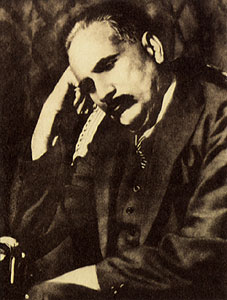
Geography and administration
The district sits on fertile alluvial soils typical of central Punjab and is drained by seasonal streams and irrigation channels. Administratively it is divided into several tehsils and municipal bodies that manage local services and development. Major administrative subdivisions include:
- Sialkot (the district capital and largest city)
- Daska
- Pasrur
- Sambrial
Transportation links include road and rail connections to other major cities of Punjab and a local airport notable for significant private-sector involvement. For provincial context see the district entry and the wider Punjab province.
History and demographics
The area of Sialkot has a long history of settlement and has been influenced by successive empires and local polities. During the Mughal and later periods the city and surrounding countryside were important market towns. Under Sikh and then British rule the district's administrative and economic structures were reshaped. In the modern era the 1947 partition of British India produced major demographic change as Muslim refugees arrived and non-Muslim communities migrated to India.
Historical sources also note religious and social transformations in the region; for example, records mention that in the 16th century some Jatt clans in the Sialkot area embraced Islam under the influence of religious figures such as Daud Bandagi Kirmani. The district today has a predominantly Muslim population with Christian and other minority communities.
Economy, industry and culture
Sialkot has a strong tradition of small and medium manufacturing enterprises oriented to export markets. The district is widely known for production of sports goods (including footballs and other equipment), surgical instruments, leather products and surgical and textile goods. These industries rely on skilled local workshops, a network of exporters and links to global buyers.
- Key sectors: sports goods, surgical instruments, leatherware, light engineering
- Supports: local industrial clusters, export-oriented SMEs, diaspora trade connections
Educational and cultural life includes schools, colleges and institutions that serve the city and surrounding towns. Sialkot city is also associated with notable figures in Urdu literature and Pakistan’s modern cultural history; biographical and civic information can be explored via local sources and profiles such as the city entry Sialkot and national context links like Pakistan.
Notable distinctions
Among the district's distinguishing features are its export-oriented industrial clusters, long-standing craft traditions, and a pattern of civic entrepreneurship that has supported infrastructure projects and trade facilitation. The airport and local business associations are often cited as examples of private-sector engagement in regional development.
For further administrative and contextual maps or official references see local government and provincial portals (see district profile and provincial resources at Punjab).
Related articles
Author
AlegsaOnline.com Sialkot District, Punjab, Pakistan — overview, history and economy Leandro Alegsa
URL: https://en.alegsaonline.com/art/90143