
Shiba Inu — compact Japanese spitz-type dog breed
The Shiba Inu is a small-to-medium Japanese spitz-type dog bred originally for hunting. Known for its foxlike appearance, bold temperament, and cultural presence (including the Doge meme), it is now a popular companion worldwide.
Overview
The Shiba Inu is a small-to-medium spitz-type dog that originated in Japan. Bred for working in rugged, mountainous terrain, it was used to flush and hunt small game. The breed is easily recognized by its foxlike face, curled tail, erect ears and dense double coat. While compact and agile, the Shiba projects confidence and alertness rather than being a lap dog.
Image gallery
9 Images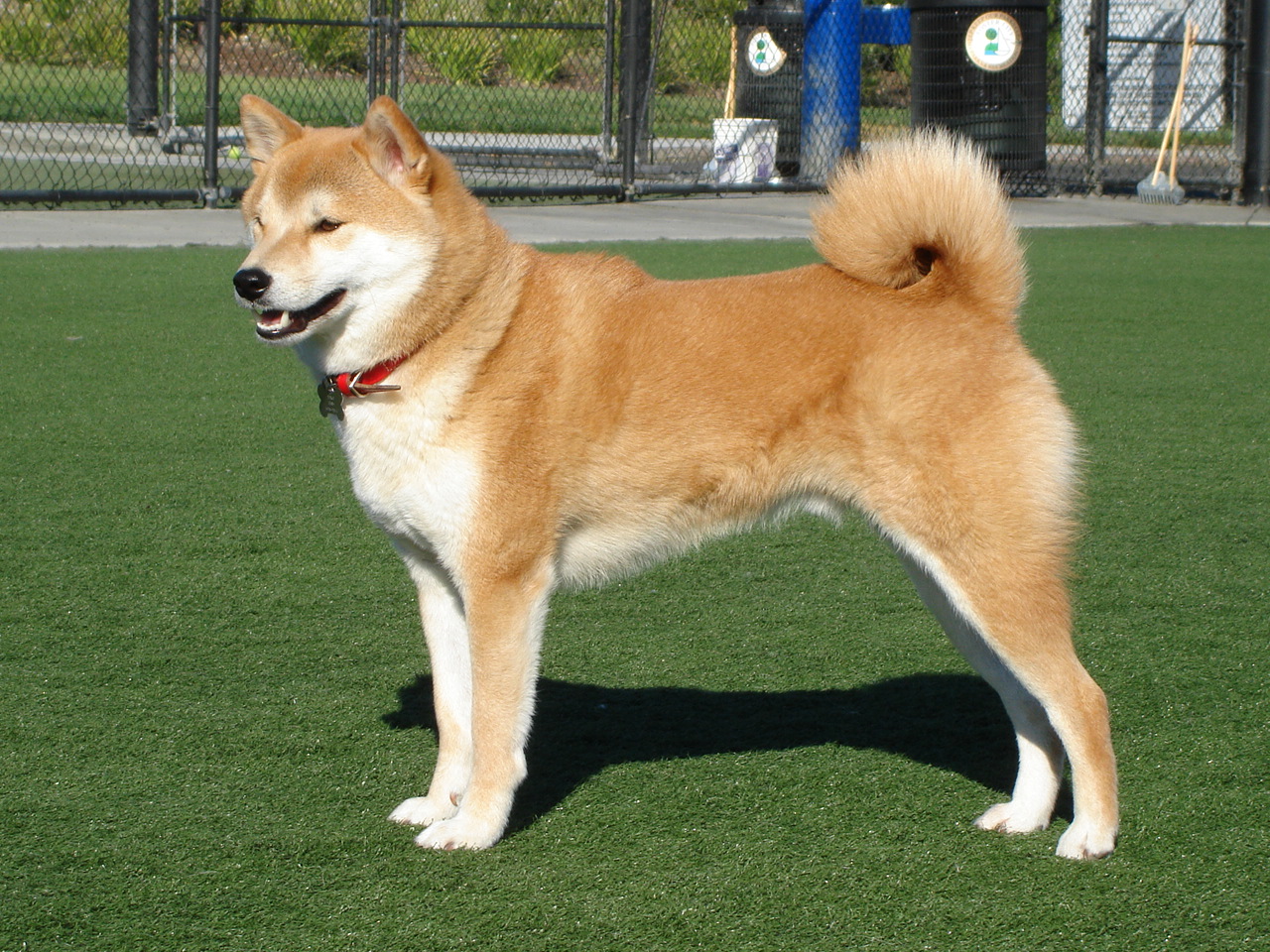


Characteristics
Shiba Inu temperament and appearance make them distinct among companion dogs. They are often described as independent, clean, and wary of strangers, while forming strong bonds with their family. Key traits include:
- Foxlike head, upright triangular ears and a tightly curled tail.
- Double coat that sheds seasonally; common colors include red, sesame, black-and-tan and cream, with red being the most familiar.
- Alertness and a pronounced prey drive; they may chase small animals and move with quick, catlike agility.
- Intelligence paired with a strong-willed nature, which can make training a challenge without consistent, positive methods.
History and cultural significance
Shiba Inu are an ancient type developed in Japan for hunting and working in rough terrain. Their small size and keen senses made them suited to tracking birds and small mammals. In the 20th century, like many native breeds, their numbers declined and breeders worked to preserve the type. The Shiba is widely regarded as one of Japan’s native dog types and appears frequently in Japanese art and popular culture. In recent years the breed gained global recognition through viral internet culture, notably the “Doge” meme and related popular imagery.
Care, training and uses
Shiba Inu do well as companion animals for owners who understand their temperament. They require regular exercise, mental stimulation and early socialization to temper independence and reduce undesirable behaviors. Grooming mainly involves routine brushing, with heavier seasonal shedding. Training benefits from short, consistent sessions using reward-based methods; patience and clear leadership help where stubbornness appears.
Notable facts and resources
Today Shiba Inu are kept as companions, shown in conformation rings and seen in canine sports like agility. They are often recommended to experienced dog owners due to their assertive character. For more information about the breed, established breed standards, care guidance and cultural notes, consult breed profiles and native-dog resources: breed information, Japan-focused sources, related Akita Inu comparisons, historical hunting references at hunting origins and modern roles such as watchdog and companion at guard and companion roles.
Related articles
Author
AlegsaOnline.com Shiba Inu — compact Japanese spitz-type dog breed Leandro Alegsa
URL: https://en.alegsaonline.com/art/89728