
Shonisaurus: a giant Triassic ichthyosaur
Shonisaurus is a genus of very large ichthyosaurs from the Late Triassic, known chiefly from Nevada and also reported from British Columbia. Its remains inform studies of Triassic marine ecosystems and reptile gigantism.
Overview
Shonisaurus is a genus of very large ichthyosaur, a group of dolphin‑like marine reptiles of the Mesozoic. Known from deposits of the Late or Upper Triassic, it is among the largest ichthyosaurs documented by the fossil record and has provided key evidence about the size range and ecological roles of early marine reptiles. Important specimens were recovered in western North America and remain important for public displays and scientific study.
Image gallery
10 Images



Physical characteristics
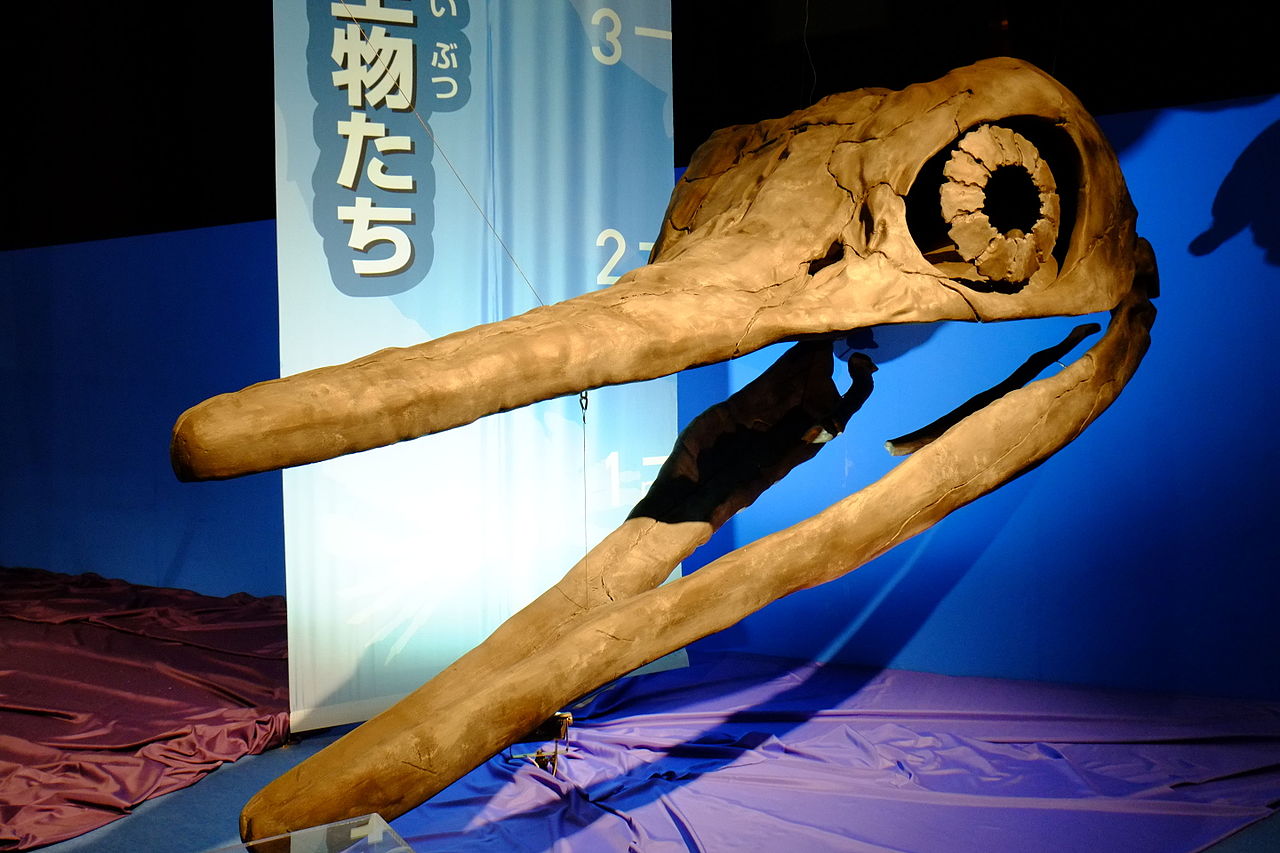
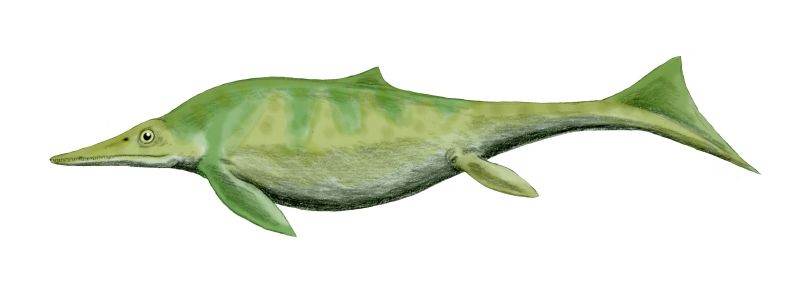
Shonisaurus had an elongated body, limbs transformed into flippers, and a relatively long, narrow skull. Adult individuals often show reduced or absent teeth, a condition interpreted as specialization for feeding on soft prey such as cephalopods rather than hard‑shelled animals. The overall body plan is less fish‑like than some later ichthyosaurs, with proportions that suggest powerful swimming but a different ecology from later, fast‑bodied forms.
Discovery and major sites
The most famous fossils come from large assemblages in Nevada, including specimens displayed at museums and state parks; the site in Nevada has been the focus of fieldwork, interpretation and public outreach for decades (Nevada). Additional large remains attributed to Shonisaurus or closely related forms have been described from western Canada, including material reported from British Columbia, indicating a broad distribution in Triassic seas.
Taxonomy and species
Several species have been named within the genus. Variation in skull shape, tooth development and size separates these species, and researchers continue to discuss relationships both within Shonisaurus and between it and other large ichthyosaurs. Ongoing revision of specimens is common as new material and techniques allow finer comparisons.
Paleoecology and significance
- Shonisaurus contributes to understanding of marine reptile gigantism and how very large predators or filter‑feeders fit into Triassic food webs (fossil significance).
- Its anatomical features suggest a diet dominated by soft‑bodied prey and a different feeding style from later, toothed ichthyosaurs.
- Concentrations of skeletons have produced taphonomic studies that illuminate death‑assemblage processes in ancient oceans and local depositional conditions.
Research and conservation
Study of Shonisaurus combines field excavation, museum preparation and modern methods such as CT scanning and comparative anatomy. Fossils are curated by museums and protected sites, where they serve both scientific research and public education about Triassic marine life and the ancient environments in which these large ichthyosaurs lived.
For further reading, museum exhibits and regional geological summaries provide accessible introductions to Shonisaurus and its world (marine reptiles).
Questions and answers
Q: What exactly is Shonisaurus?
A: Shonisaurus is the largest ichthyosaur and the largest extinct marine animal discovered till now.
Q: Where was Shonisaurus found for the first time?
A: Shonisaurus was first found in the rocks of the Upper Triassic in Nevada.
Q: Apart from Nevada, where else was Shonisaurus found?
A: Shonisaurus was later found in British Columbia apart from Nevada.
Q: What is the size of Shonisaurus?
A: Shonisaurus is the largest ichthyosaur and the largest extinct marine animal that has been discovered so far.
Q: How did the discovery of Shonisaurus receive attention?
A: The discovery of Shonisaurus received attention because of its size and being the largest marine animal ever found.
Q: When was Shonisaurus found?
A: Shonisaurus was found first in the rocks of the Upper Triassic era.
Q: How significant was the discovery of Shonisaurus?
A: The discovery of Shonisaurus was a significant event in history as it was the largest ichthyosaur and the biggest extinct marine animal found till then.
Related articles
Author
AlegsaOnline.com Shonisaurus: a giant Triassic ichthyosaur Leandro Alegsa
URL: https://en.alegsaonline.com/art/89966
Sources
- doi.org : 10.1671/0272-4634(2004)024[0838:GIOTTN]2.0.CO;2
- worldcat.org : 0272-4634