
Shamrock: symbol, botany, and cultural significance
Young sprigs of three-leaf plants long associated with Ireland, the shamrock is a botanical term, cultural emblem and seasonal tradition with botanical, historical and symbolic dimensions.
Overview
The shamrock is a common name for young, three‑leaf sprigs traditionally associated with Ireland. In everyday use the term usually refers to small clover-like plants; it is not a single botanical species but a vernacular label applied to several small trifoliate herbs such as clovers and wood‑sorrel. The English word comes from the Irish seamróg, itself the diminutive of seamair (clover), meaning roughly "little clover" or "young clover".
Image gallery
10 Images


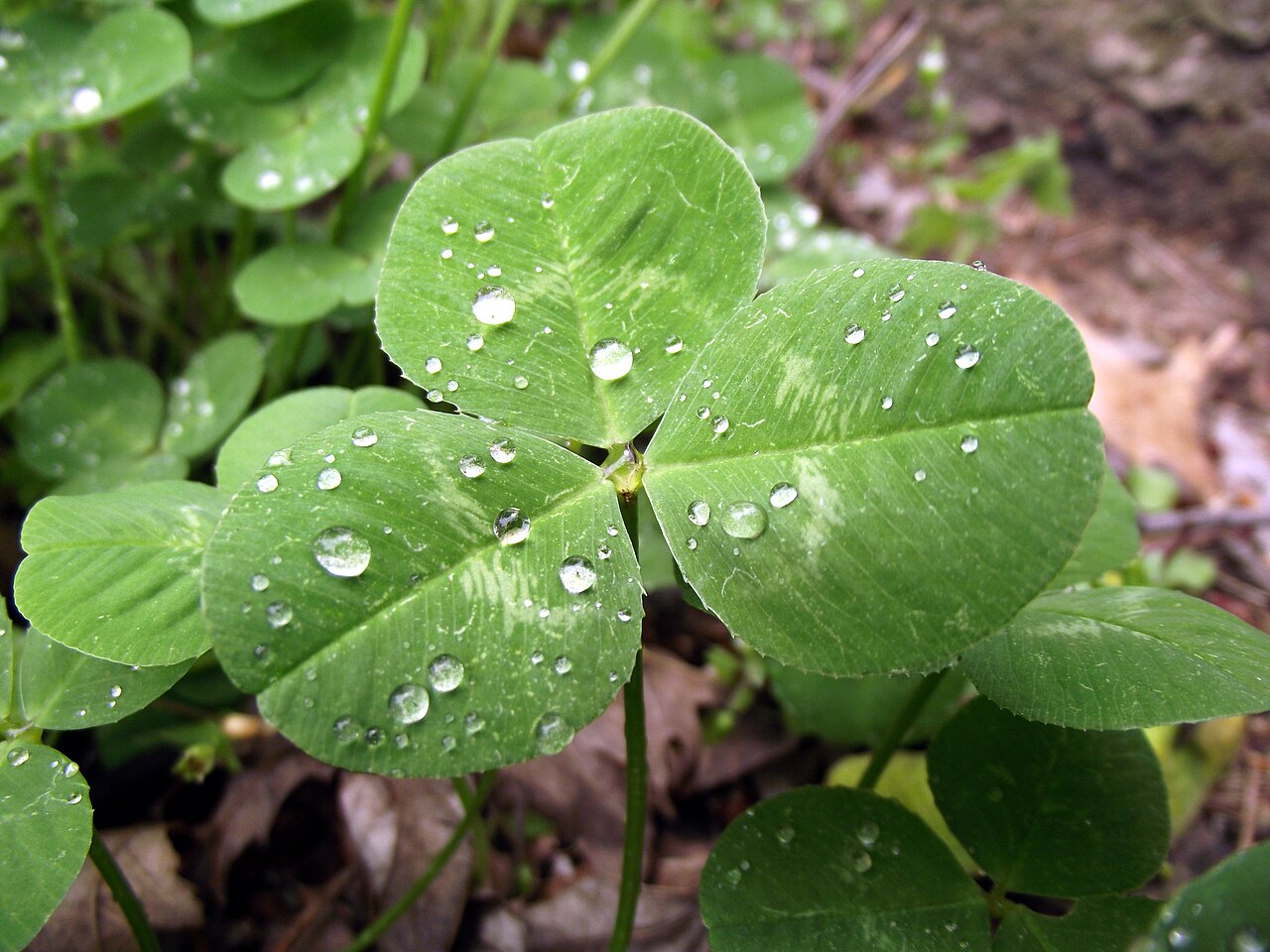
Botanical characteristics
Plants called shamrock are typically small, have leaves divided into three leaflets, and grow low to the ground. Botanists and gardeners commonly identify several species as "shamrock" sources, most often small clovers like Trifolium species or occasionally members of the genus Oxalis (wood‑sorrel), which resemble clover at a glance. Identification relies on flower shape, leaflet texture and arrangement rather than the popular name.
History and symbolism
The shamrock has been linked to Ireland for centuries and became a widely recognised national emblem. A long‑standing legend holds that Saint Patrick used a three‑leaf sprig to explain the Christian doctrine of the Holy Trinity (Father, Son and Holy Spirit), a story that helped attach religious meaning to the plant. Over time the shamrock also developed secular associations with Irish identity and was adopted in emblems, badges and public imagery.
Uses, traditions and cultural role
The shamrock appears in many everyday and ceremonial contexts. Small sprigs are traditionally worn or displayed on Saint Patrick's Day, and live potted shamrocks are commonly sold in March. In the 19th century the motif was fashionable and widely reproduced in decorative arts during the Victorian period, appearing on jewelry, textiles and printed material. Beyond ornament, shamrock‑type plants have been used in folk remedies and as forage; references to medicinal or culinary use are largely traditional and vary by region.
Recognition and varieties
Because "shamrock" is a vernacular name, different communities and studies have suggested alternative botanical identities. Field surveys in Ireland and popular botanical guides often point to small species of clover (for example, lesser trefoil and white clover) as the most frequently collected plants sold as shamrock. Some sellers and gardeners favour species that transplant well into pots, while others prefer native wild types for authenticity.
Notable facts and distinctions
- The shamrock is a cultural emblem rather than an officially legislated national flower, yet it functions widely as a national symbol.
- Not every three‑leaf plant is a shamrock; usage depends on local custom and appearance rather than strict taxonomy.
- The same term and imagery have been reinterpreted in religious, political and commercial contexts, showing the plant's flexibility as a symbol.
For further reading about the plant group commonly called clover and related folk uses, see resources on clover and national symbolism in Ireland. Historical accounts of Saint Patrick and traditional explanations of the Trinity illuminate how botanical imagery can acquire spiritual meaning. The etymology of the name traces directly to the Irish seamróg, the diminutive form that gives the familiar English name, and nineteenth‑century decorative trends show the shamrock's place in the Victorian imagination. Contemporary celebrations around Saint Patrick's Day keep the tradition visible each year.
Questions and answers
Q: What are shamrocks?
A: Shamrocks are the young sprigs of clover or trefoil, and they are also a symbol of Ireland.
Q: Why is the shamrock associated with Saint Patrick?
A: According to legend, Saint Patrick used the shamrock to illustrate the doctrine of the Holy Trinity.
Q: What is the origin of the name "shamrock"?
A: The name "shamrock" comes from the Irish word "seamróg," which is the diminutive version of the word for clover (seamair) and means "little clover" or "young clover."
Q: Can other plants besides clover be called shamrocks?
A: Sometimes other three-leafed plants are called shamrocks.
Q: What are some uses of shamrocks?
A: Shamrocks can be used for their medicinal properties, and they were also used as a motif in Victorian days.
Q: When are small pots of shamrocks sold?
A: Small pots of shamrocks are sold around March 17, which is Saint Patrick's Day.
Q: Do people wear shamrocks on Saint Patrick's Day?
A: Yes, some people wear sprigs of shamrock in a buttonhole on the holiday.
Related articles
Author
AlegsaOnline.com Shamrock: symbol, botany, and cultural significance Leandro Alegsa
URL: https://en.alegsaonline.com/art/89439