
Sexual slavery: definition, forms, history, and legal responses
Sexual slavery is the forced sexual exploitation of people as a form of servitude or trafficking. This article explains its forms, historical and wartime contexts, legal frameworks, and responses.
Overview
Sexual slavery is a form of slavery or forced labour in which people are compelled to engage in sexual activity against their will. It overlaps with human trafficking, forced prostitution, child sexual exploitation, forced marriage and other abuses in which sexual servitude is a central element. The term emphasizes that the victim is regarded and used as property for sexual purposes rather than as a free person with autonomy.
Image gallery
7 Images



Characteristics and common forms
Sexual slavery can take several forms. Some common patterns include:
- Forced prostitution, where individuals are coerced or deceived into commercial sex work and prevented from leaving. See discussions of prostitution for context on coerced commercial sex.
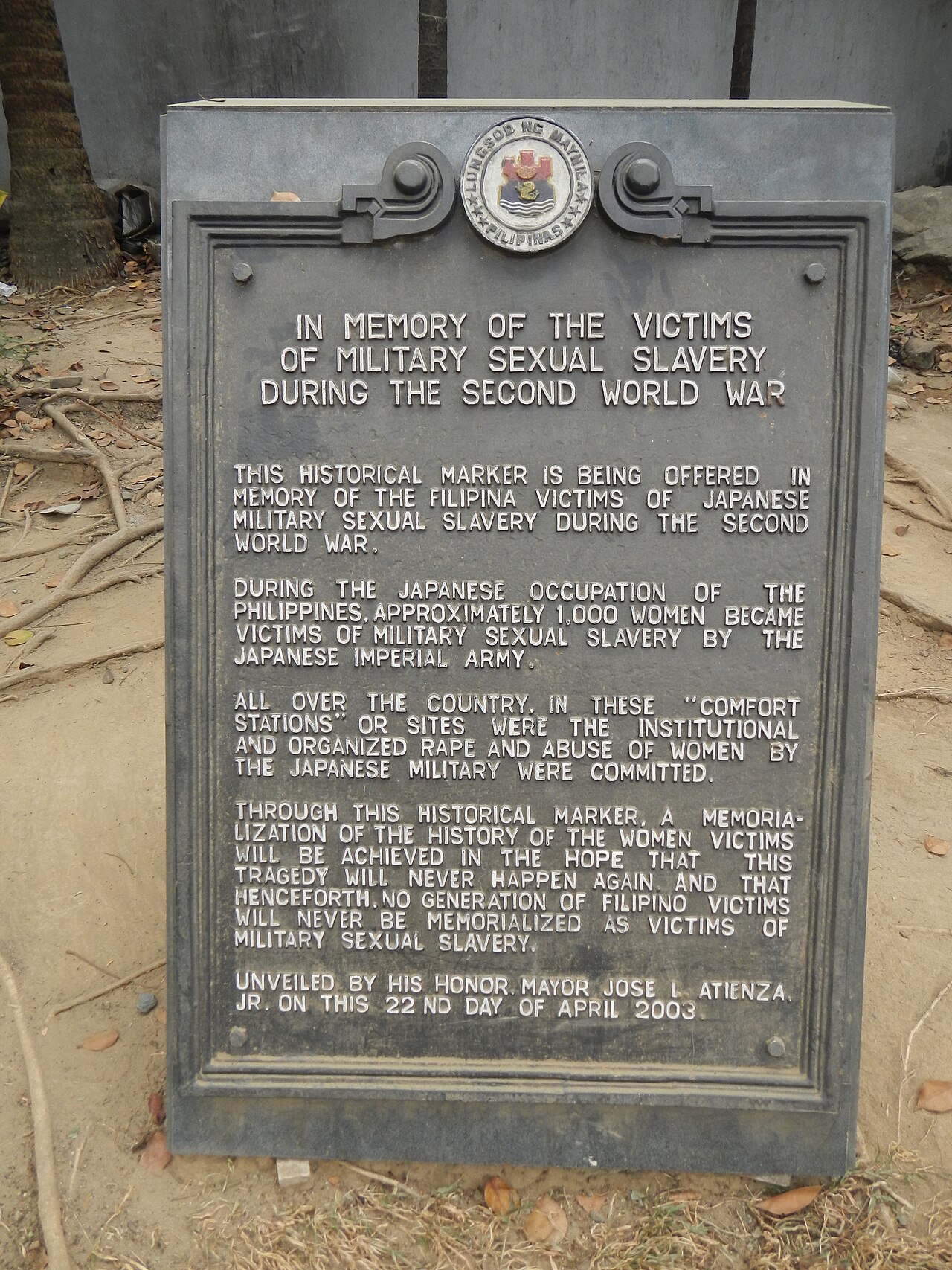
- Wartime sexual slavery, in which armed forces or occupying powers compel civilians or prisoners into sexual servitude.
- Forced marriage or domestic sexual servitude, where marriage is used to mask exploitation or to control a victim's sexual and reproductive autonomy; illegal or coerced unions have been reported as a mechanism of control in many settings (forced marriages).
- Trafficking for sexual exploitation, often involving recruitment, transportation and exploitation across borders or within countries; victims may be held by debt bondage, threats, violence or confiscation of identity documents.
History and notable contexts
Sexual slavery has appeared in many historical and cultural contexts, including as part of slavery systems, during armed conflict, and within exploitative labour systems. In modern times, large-scale attention has focused on conflict-related abuses and transnational trafficking rings. Historical examples have led to greater recognition of sexual slavery as a distinct form of harm deserving specific legal and humanitarian responses.
Legal frameworks and international response
International law treats sexual slavery as a serious crime. It is prohibited by human rights treaties and criminalized under international criminal law as a war crime and, in some circumstances, a crime against humanity. States and international bodies have adopted instruments and protocols to combat trafficking and protect victims; for example, there are United Nations instruments addressing trafficking and exploitation. Human rights declarations and humanitarian law instruments also condemn sexual slavery and call for victim protection and accountability (Vienna Declaration, humanitarian international law).
Consequences, prosecution and prevention
Victims of sexual slavery suffer severe physical, psychological and social harms, including injury, sexually transmitted infections, trauma and stigma. Effective responses combine victim-centered protection, medical and psychosocial care, legal assistance, and criminal investigation and prosecution of perpetrators. Barriers to justice include fear, stigma, lack of documentation, and weak legal frameworks.
How society and institutions respond
Responses involve governments, courts, international agencies and civil society organizations. Prevention strategies focus on reducing vulnerability through education, economic support, legal reform and cross-border cooperation to dismantle trafficking networks. Public awareness, survivor-centered services and reliable data collection are essential for improving prevention and redress.
For further background, readers can consult general resources on slavery and related legal instruments; targeted studies and survivor testimony also illuminate how sexual slavery operates in different contexts.
Related articles
Author
AlegsaOnline.com Sexual slavery: definition, forms, history, and legal responses Leandro Alegsa
URL: https://en.alegsaonline.com/art/89297