
Sharia (Islamic law): principles, history, and contemporary application
Concise guide to sharia: its meaning, primary sources and jurisprudence, historical development, principal areas of application, and how it is interpreted and used across modern societies.
Overview
Sharia (Arabic sharīʿah) refers broadly to the moral and legal guidelines within Islam that are understood to derive from divine revelation. In everyday use the term covers a spectrum of material: from ritual obligations and ethical injunctions to rules that resemble civil or criminal law in modern states. The concept originally conveyed the idea of a "path" or "way" and has been shaped over centuries by religious scholarship and social practice. For the tradition that develops and interprets these rules, see Islamic tradition.
Image gallery
10 Images




Sources and structure
Muslim jurists base legal reasoning primarily on a small set of authorities and methods. The most prominent are the Qur'an and the Hadith, supplemented by consensus, analogy, and other tools of interpretation developed in classical law. Distinctions are commonly made between:
- Sharia as the ideal, divinely revealed law;
- Fiqh, the human effort to understand and apply sharia through juristic reasoning;
- Specific categories of rules addressing ritual practice, family and inheritance, commercial transactions, criminal punishments, and public conduct.
The Arabic term itself is discussed in language and legal studies; for one perspective on the word and its usage see Arabic term sharīʿah.
Historical development
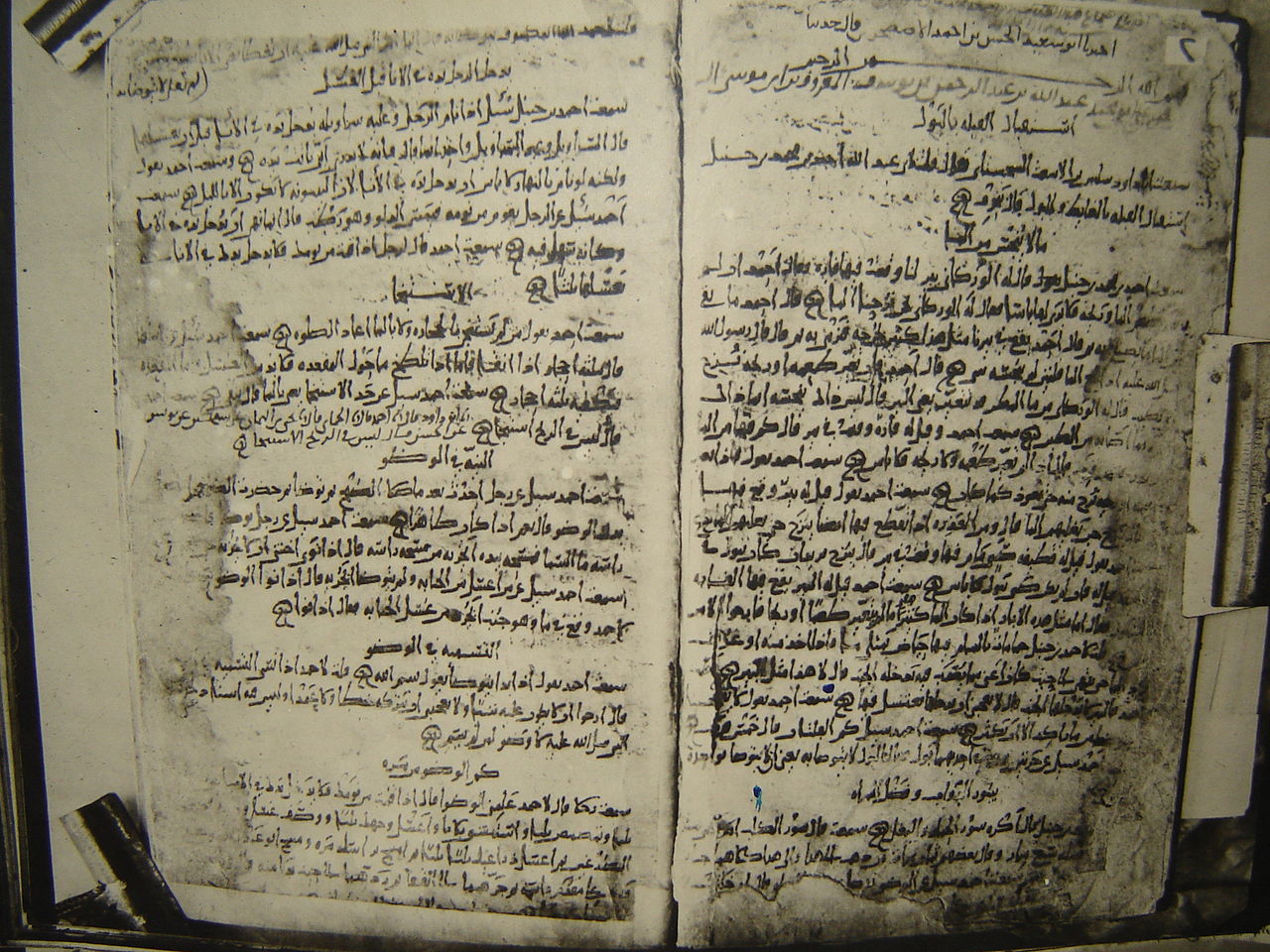
During the classical period, jurists (fuqahāʾ) elaborated a detailed body of law by interpreting sacred texts and building a record of precedent. Distinct legal schools emerged, each offering differing methodologies for deriving rules and resolving disputes. Over time these schools produced extensive treatises and practical manuals covering daily life, commerce, family law, and state governance. The historical process was gradual and pluralistic rather than uniform.
Contemporary applications and examples
In the modern era, Muslim-majority countries have taken diverse paths in relating state law to sharia. Some incorporate elements of classical law into family and personal-status legislation, others adapt principles to regulate finance (notably Islamic banking), and still others draw on sharia terminology in constitutional language. Many jurisdictions combine secular legal codes with sharia-influenced provisions, producing a variety of legal arrangements in practice.
Distinctions and debates
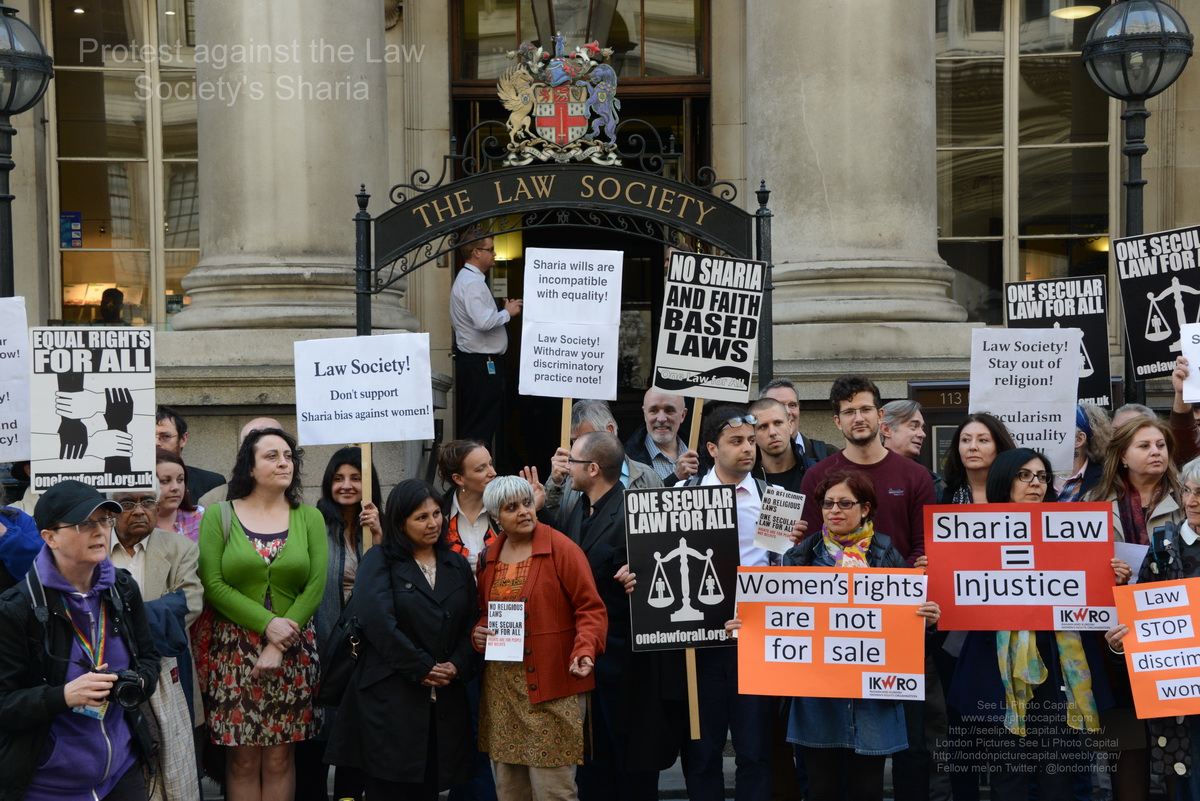
Important analytical distinctions help clarify discussion: between the ideal of divine law and the juristic interpretations that vary by time and place; between ritual or moral rules and penal provisions; and between local customary practices and doctrines grounded in scriptural texts. Contemporary debates among scholars, legal practitioners, and communities center on how to reconcile traditional sources with modern human-rights norms, pluralism, and state institutions. These debates often emphasize methodology and context rather than a single fixed set of rules.
Notable facts: Sharia is not implemented uniformly; its application is shaped by legal history, local custom, constitutional arrangements, and scholarly opinion. For further background on interpretive approaches and modern legal adaptations, consult introductory resources and scholarly overviews provided by recognized institutions and academic works.
For additional reading and reference points, see discussions in broader Islamic legal studies and accessible summaries at institutional or educational portals: Introduction, Terminology, Primary texts, Hadith collections.
Questions and answers
Q: What is Sharia Law?
A: Sharia, or Islamic law, is a set of religious principles that form part of the Islamic culture. It refers to the revealed law of God and originally meant "way" or "path". Classical sharia deals with many aspects of public and private life, including religious rituals, family life, business, crimes, and warfare.
Q: How was Sharia interpreted in former times?
A: In former times, sharia was interpreted by independent jurists who based their legal opinions on Qur'an, Hadith and centuries of debate, interpretation and precedent.
Q: What parts of Sharia can be described as "law"?
A: Some parts of sharia can be described as "law" in the usual sense of that word while other parts are better understood as rules for living life in accordance with God's will.
Q: Do modern countries in the Muslim world have their own laws?
A: Yes, modern countries in the Muslim world all have their own laws. In most cases only a small part of the legal system is based on classical sharia.
Q: How should Sharia be applied in the modern world?
A: Muslims disagree on how sharia should be applied in the modern world.
Q: What does 'sharīʿah' mean?
A: The Arabic word sharīʿah (Arabic شريعة) refers to the revealed law of God and originally meant "way" or "path".
Q: What aspects does classical Sharia cover?
A: Classical sharia covers many aspects such as religious rituals, family life, business transactions, crimes and warfare.
Related articles
Author
AlegsaOnline.com Sharia (Islamic law): principles, history, and contemporary application Leandro Alegsa
URL: https://en.alegsaonline.com/art/89501
Sources
- openaccess.leidenuniv.nl : Sharia and National Law in Muslim Countries: Tensions and Opportunities for Dutch and EU Foreign Policy