
Thimble: Protective Finger Cap for Sewing, Craft, and Collecting
A thimble is a small protective cap worn on the finger while pushing needles or protecting the skin. Thimbles come in many shapes and materials and are used for sewing, craftwork and collecting.
A thimble is a small protective cap worn on the fingertip to guard against pricks and to help push a needle through fabric or other materials. Most thimbles are cup-shaped and fit over the end of a finger; their interior is either open or closed and they may be sized to fit specific fingers or adjustable for general use. Although most commonly associated with sewing, thimbles appear in many crafts and as decorative objects.
Image gallery
10 Images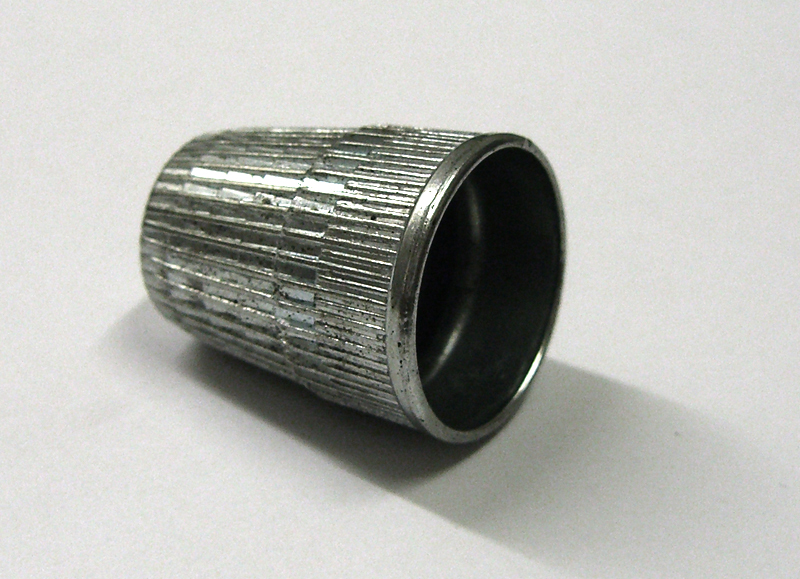



Design and characteristics
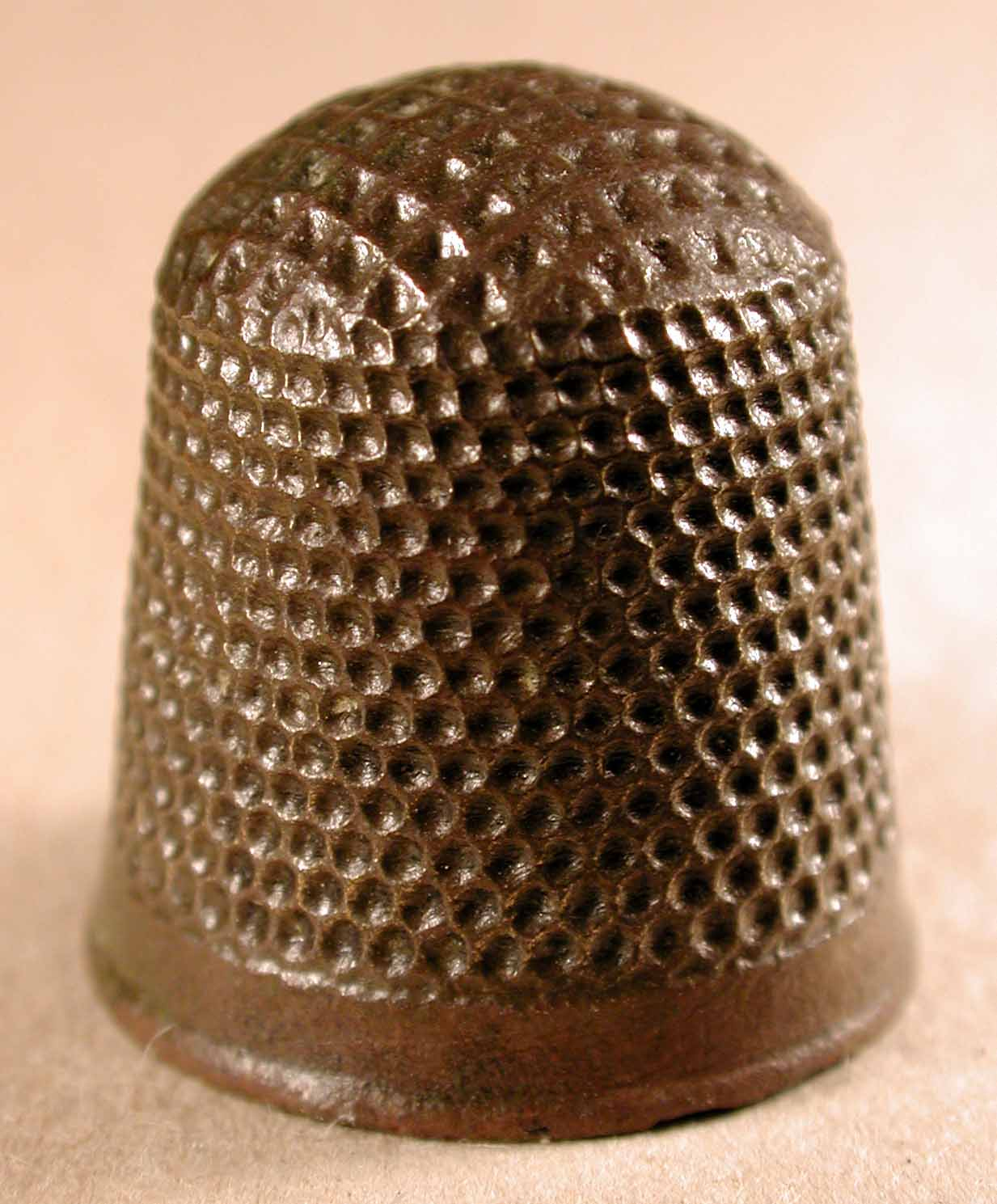
Typical thimbles have a rim and a hollow body; the outer surface is usually textured with dimples, pits or patterned indentations to provide grip for a needle. Some thimbles are open at the top to allow ventilation and tactile feel, while closed-top examples protect the entire fingertip. Fit and thickness vary by purpose: a snug, thin-walled thimble gives control for fine needlework, while thicker or reinforced styles are used for heavier materials.
Materials and varieties
- Metal: brass, steel, silver and other metals are common for durable use and decorative finishes.
- Leather and fabric: soft or reinforced caps for heavy sewing, leatherwork or to protect the finger without metal.
- Ceramic, glass and porcelain: largely decorative or souvenir items, often painted or glazed.
- Plastic and rubber: inexpensive options for hobbyists or for a grippy surface.
Additional variations include adjustable rings, long or thimblettes for extended fingertip protection, and specialized shapes for tasks such as upholstery or beading.
History and cultural notes
Thimbles have a long history as functional tools and decorative objects. Archaeological finds and historical accounts show that people in many regions used finger protectors in various forms. Over time they evolved from simple leather or bone caps to metal and ornamental pieces made by silversmiths and manufacturers. In later centuries, finely crafted thimbles became popular as keepsakes, commemorative gifts, or collectible miniatures.
Uses, collecting, and care
Beyond guiding needles in hand sewing, thimbles are used in quilting, embroidery, leatherwork and other crafts where a firm push is required. Collectors prize unusual materials, maker's marks, and decorative themes; some people collect souvenir thimbles from places visited or events attended. When choosing a thimble, consider fit, material and intended work: a properly fitting thimble should be snug but not tight. Care generally involves gentle cleaning appropriate to the material—polishing metals, wiping leather, or storing delicate porcelain pieces safely to avoid chips.
Whether viewed as a simple tool or a small piece of decorative metalwork, the thimble remains a practical and culturally interesting item closely tied to handcraft traditions.
Related articles
Author
AlegsaOnline.com Thimble: Protective Finger Cap for Sewing, Craft, and Collecting Leandro Alegsa
URL: https://en.alegsaonline.com/art/99369