
Sevastopol — Black Sea port city on the Crimean Peninsula
Sevastopol is a major Black Sea port founded in 1783 on Crimea. It is a naval, economic, and cultural center with a long military history and a contested modern status since 2014.

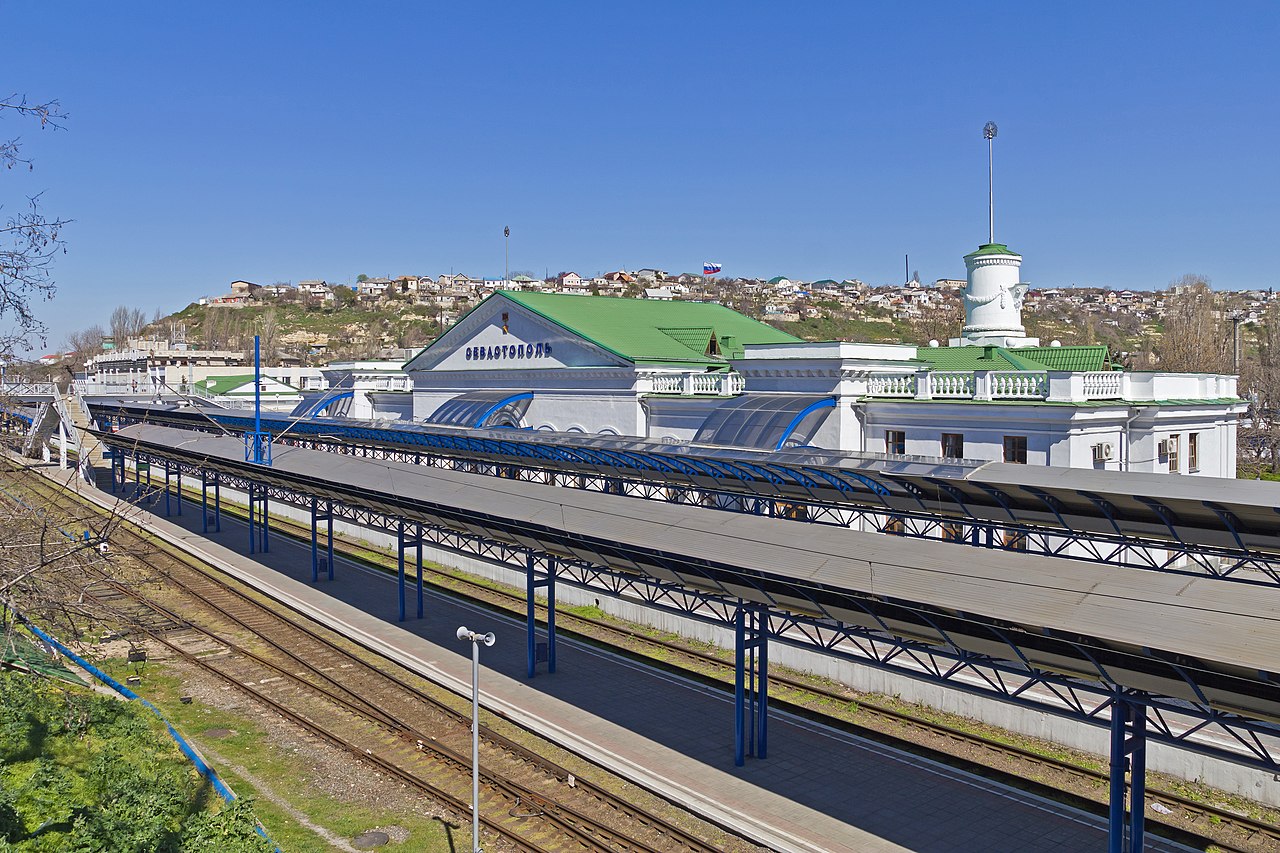
Sevastopol is a large port city on the Crimean Peninsula, located on the north shore of the Black Sea. The city, known in Ukrainian as Севастополь, was established in the late 18th century and developed around a deep natural harbour that has long served naval and commercial shipping. Its population is roughly several hundred thousand people, making it one of Crimea's principal urban centers.
Image gallery
10 Images



Geography and layout
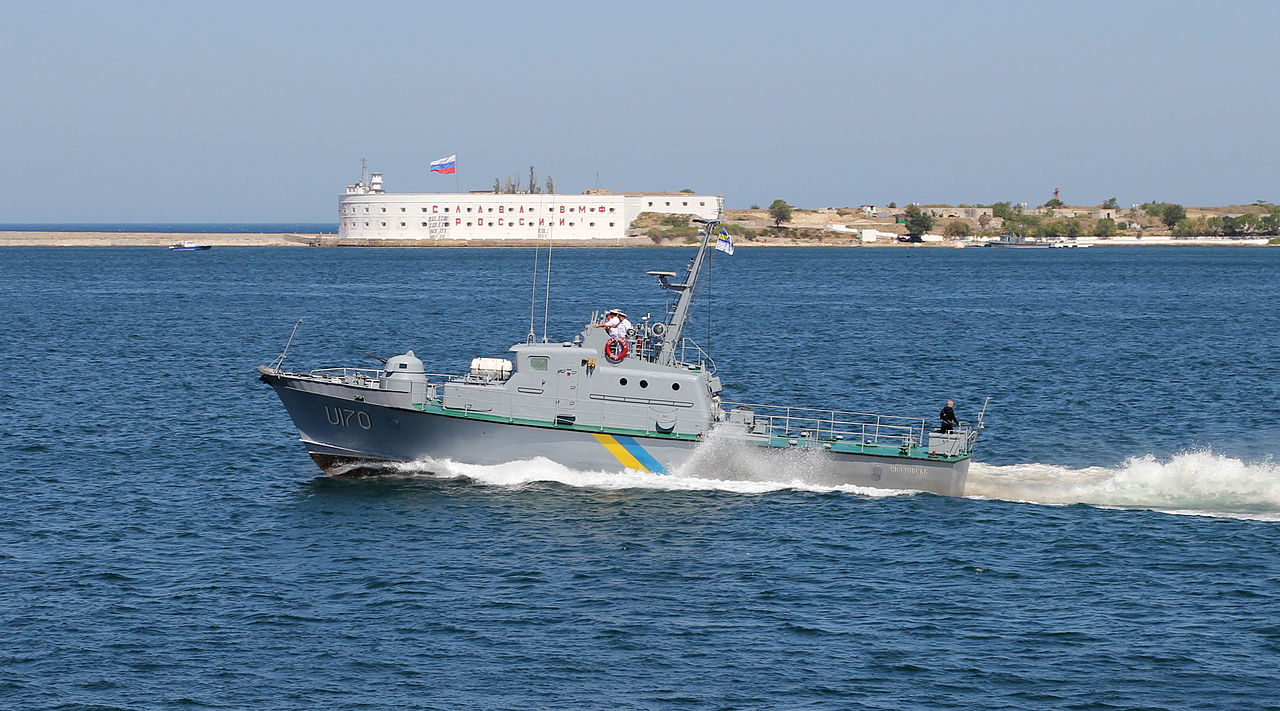
Sevastopol occupies a string of bays and fortified headlands. The main harbour provides shelter and anchorage, while surrounding suburbs and historic towns such as Balaklava lie within its municipal area. The city's shoreline, shipyards and reef-lined approaches have shaped its economy and urban form.
Characteristics and economy
The local economy combines maritime industry, military facilities, and services. Key features include:
- Commercial and military docks for repairs and logistics;
- Naval installations and support services connected to a major fleet presence;
- Tourism focused on wartime memorials, museums, and seaside attractions.
History and development
Founded after Russia's annexation of Crimea in 1783, Sevastopol grew as the principal base for Black Sea naval forces. It became famous for prolonged sieges, most notably during the Crimean War (mid-19th century) and again in World War II, events that left many monuments and museums. During the Soviet era it remained an important military port and industrial centre.
Modern status and governance
After the dissolution of the USSR the city was administered within an independent Ukrainian state, with arrangements allowing a Russian fleet presence. In 2014 the city and the wider peninsula were taken under Russian control; that change is recognized by some authorities but is widely disputed internationally and by many countries, leaving Sevastopol's status a subject of ongoing diplomatic contention. Russia treats Sevastopol as a separate federal-level city, while Ukraine and many other states continue to consider it part of Ukraine.

Culture, significance and facts
Sevastopol's identity is shaped by maritime and military heritage: extensive memorials, naval museums and preserved fortifications attract visitors and scholars. The name derives from a classical root meaning 'venerable city.' Languages, local customs and economic ties reflect a mix of influences from the region's complex past. For contemporary developments and additional background see entries associated with the Crimean Peninsula, Ukraine and Russia.
Related articles
Author
AlegsaOnline.com Sevastopol — Black Sea port city on the Crimean Peninsula Leandro Alegsa
URL: https://en.alegsaonline.com/art/89187