
Sesamum — genus of sesame plants
Sesamum is a small genus of flowering plants in the family Pedaliaceae, best known for S. indicum (sesame). Species produce oil-rich seeds used as food, oil, and in traditional practices worldwide.
Sesamum is a genus of roughly 20 species of flowering plants in the Pedaliaceae family. These plants include annuals and perennials that produce small, oil-rich seeds. The most familiar species is Sesamum indicum, commonly called sesame, which has been cultivated for millennia for its edible seeds and oil. Other species in the genus are largely wild and occur mainly in tropical and subtropical regions.
Image gallery
6 Images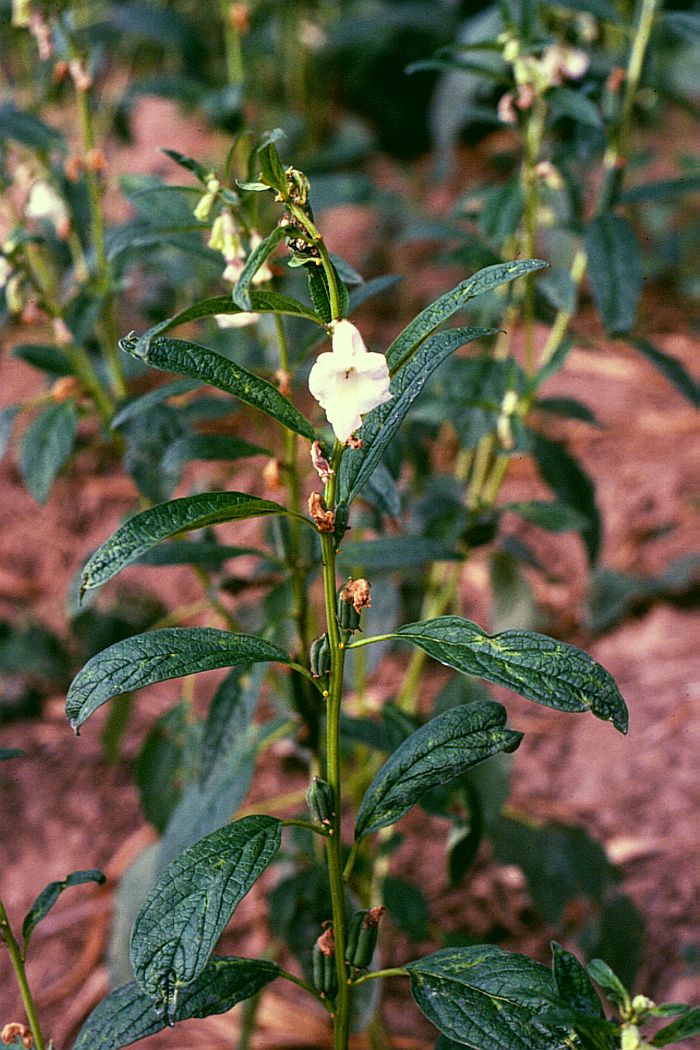



Characteristics
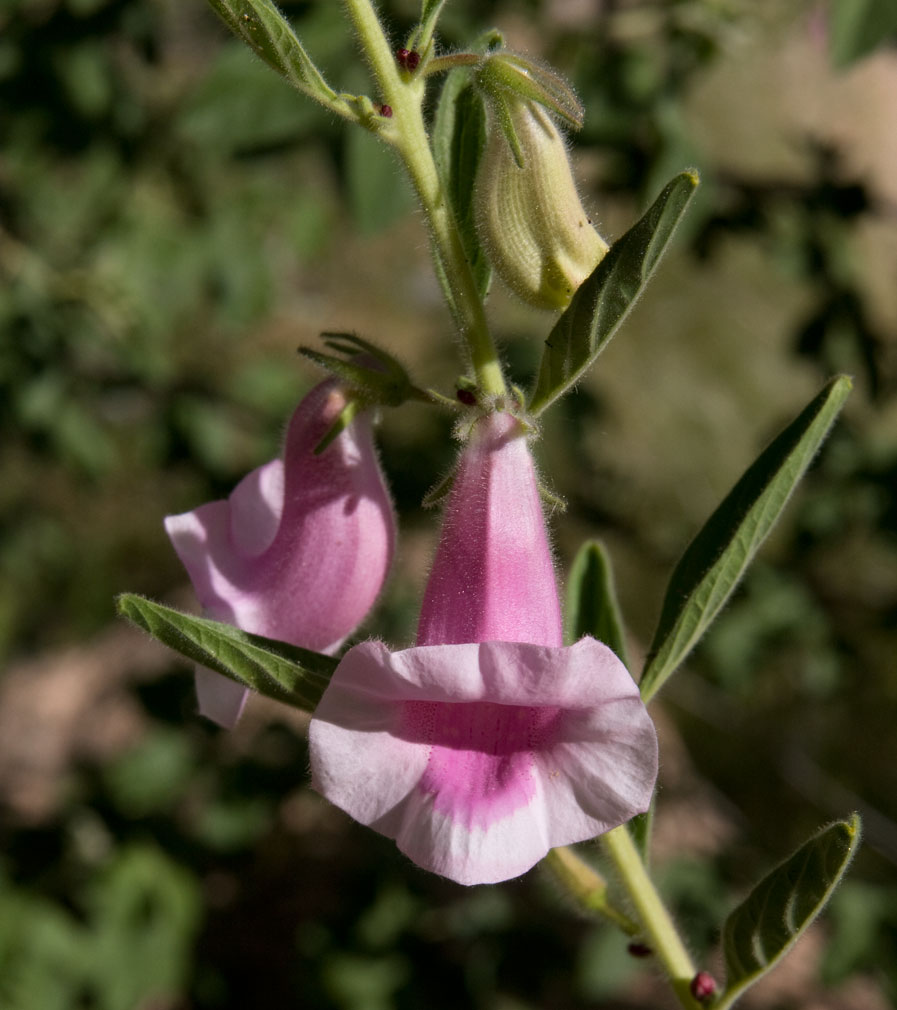
Sesamum species are herbs with simple opposite or alternate leaves and tubular flowers that may be white, pink, purple or red. The fruit is a dry capsule containing numerous flat seeds. When mature, many species' capsules split open to release the seeds. Seeds are typically small, oval, and covered by a smooth seed coat; seed color ranges from white and yellow to brown and black.
Distribution and history
Wild Sesamum species are native to Africa and parts of Asia. Cultivated sesame (S. indicum) has a long history of human use documented in ancient Near Eastern, Indian and East Asian records. Exact domestication origins are not fully resolved, but both African and South Asian regions were important in early cultivation and dispersal. Over time sesame spread along trade routes, prized for its high oil content and resistance to drought.
Uses and importance
- Food: seeds eaten raw, roasted, or ground into pastes (e.g., tahini).
- Oil: pressed sesame oil is used for cooking and flavoring.
- Nutritional/biochemical: seeds are rich in oil, protein, and lignans such as sesamin and sesamolin.
- Economic: an important smallholder crop in many countries and a global oilseed commodity.
Sesame seeds are also a recognized allergen in many populations, and seed shattering at maturity presents an agronomic challenge that breeders address by developing varieties with reduced pod opening. Conservation of wild Sesamum species supports genetic diversity useful for crop improvement.
Related articles
Author
AlegsaOnline.com Sesamum — genus of sesame plants Leandro Alegsa
URL: https://en.alegsaonline.com/art/89143
Sources
- theplantlist.org : "The Plant List: A Working List of All Plant Species"
- wikidata.org : Q47334
- species.wikimedia.org : Sesamum (Pedaliaceae)
- ville-ge.ch : 194856
- id.biodiversity.org.au : 59238
- biolib.cz : 113715
- eol.org : 61194
- gd.eppo.int : 1SEGG
- efloras.org : 130195
- gbif.org : 3172619
- npgsweb.ars-grin.gov : 11096
- inaturalist.org : 122995
- ipni.org : 30077849-2
- irmng.org : 1020542
- itis.gov : 34430