
Sergipe: Brazil’s Smallest State — Geography, History, Economy and Culture
Sergipe, Brazil’s smallest state by area on the northeast Atlantic coast. Overview of Aracaju, geography, environment, history, economy, culture, conservation and infrastructure.
Overview
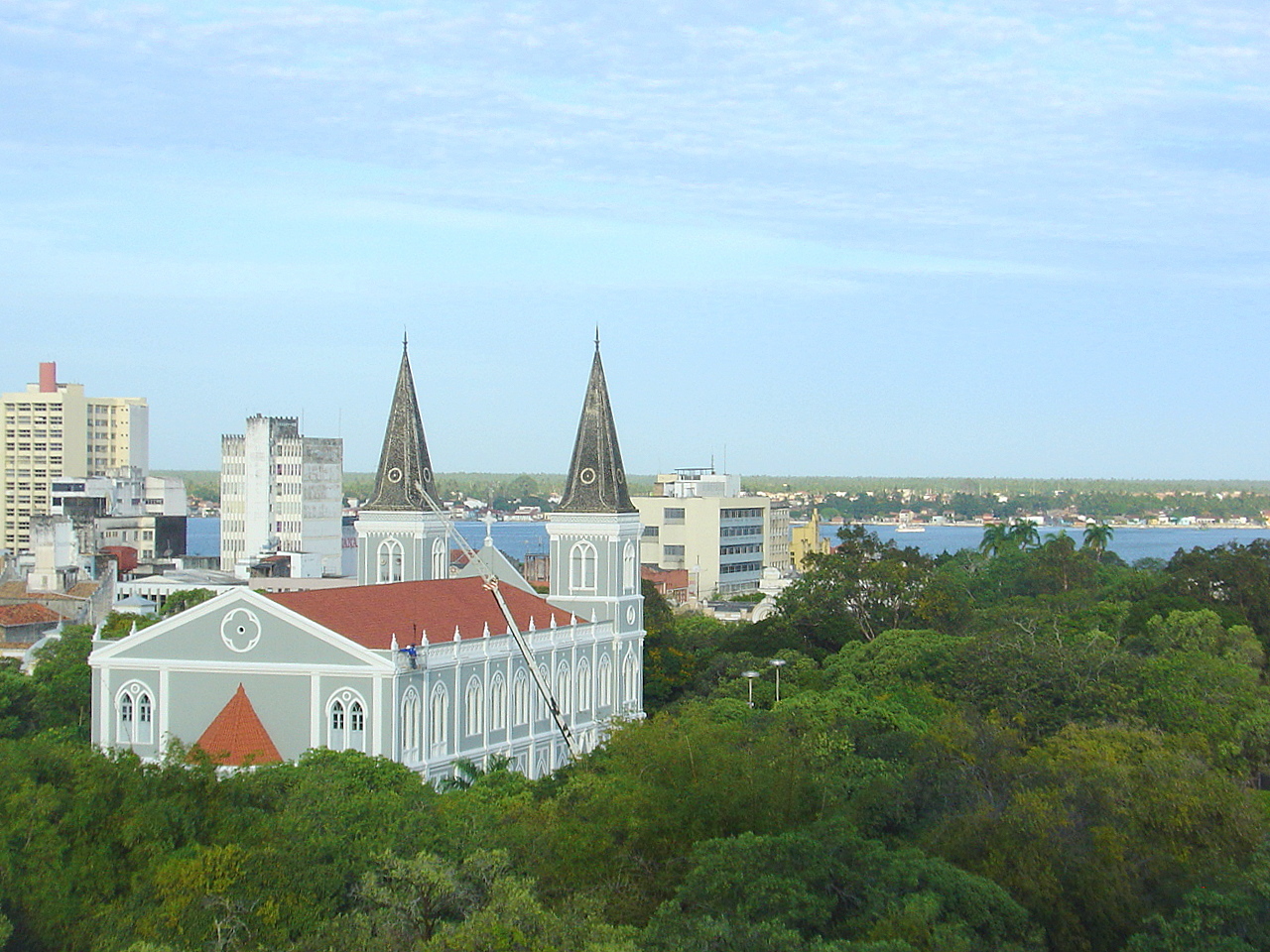
Sergipe is the smallest state in Brazil, situated on the northeastern Atlantic coast. Its capital and principal city is Aracaju, a coastal administrative and cultural center. The state borders the larger states of Bahia and Alagoas and opens to the Atlantic Ocean at a relatively short coastline. Despite its size, Sergipe has a distinct regional identity shaped by coastal, riverine and inland landscapes.
Image gallery
10 Images




Geography and environment
The physical environment includes sandy beaches, mangrove estuaries, small coastal reefs and inland plateaus. Vegetation ranges from Atlantic Forest remnants along the coast to drier, thorny scrub and caatinga-like formations inland. Rivers and estuaries support fisheries, shrimp farming and local transport, while mangroves provide important nursery habitat for marine life. Several protected areas conserve gallery forest and rocky hills close to urban zones.
Historical background
Indigenous groups inhabited the area before European arrival. Portuguese colonization established coastal settlements and plantation economies, particularly based on sugarcane. The colonial and imperial periods left cultural legacies in architecture, religion and land use, and later economic shifts encouraged urban growth and diversification away from a single-crop economy.
Economy and infrastructure
The contemporary economy mixes agriculture, fishing, industry, energy-related activity and services. Crops such as sugarcane, coconuts and fruits remain important alongside livestock and small-scale agribusiness. Offshore and onshore energy developments, extractive services and light manufacturing contribute to employment. Aracaju concentrates government services, commerce, health and education institutions.
Culture, tourism and society
Cultural life reflects Indigenous, African and Portuguese influences visible in music, dance, religious festivities and cuisine. Forró and other northeastern musical traditions are widely practiced, and local festivals—especially mid-year celebrations—attract visitors. Seafood, coconut-based dishes and regional staples characterize local gastronomy. Tourists visit beaches, river canyons nearby, coastal promenades and museums in Aracaju and other towns.
Conservation and notable places
Protected areas and parks safeguard inland hills, waterfalls and forest patches. Canyons and river valleys on the borderlands provide scenic destinations, and coastal conservation efforts focus on mangroves and reef habitats. Local universities and research centers work on sustainable use of fisheries and coastal resources.
Transport and institutions
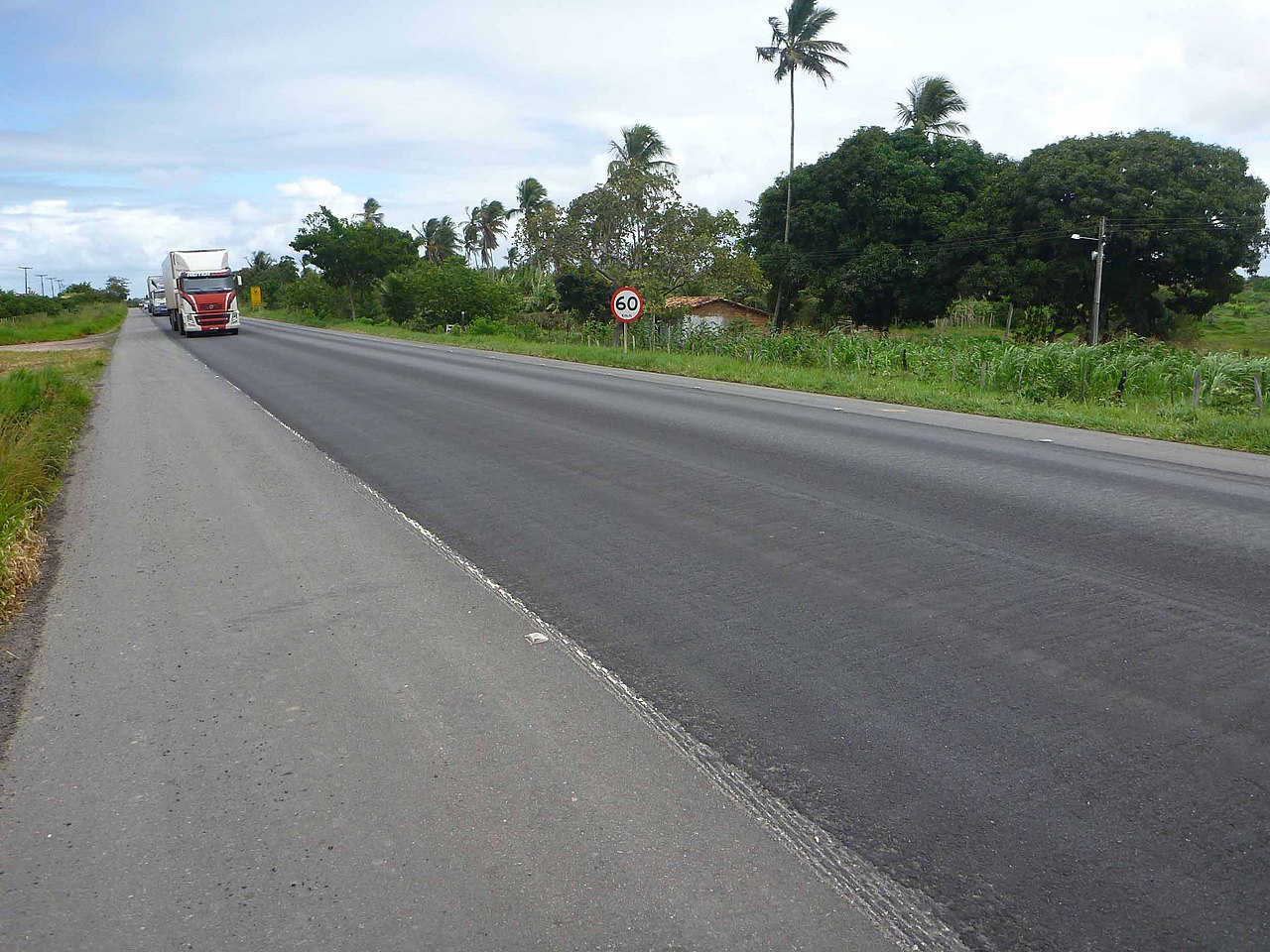
The state is connected by highways and an airport serving the capital with domestic flights. Public institutions include federal and state universities and cultural centers that support research, education and regional planning. Sergipe functions as a compact state where urban services, natural attractions and cultural heritage are readily accessible within a small territory.
Related articles
Author
AlegsaOnline.com Sergipe: Brazil’s Smallest State — Geography, History, Economy and Culture Leandro Alegsa
URL: https://en.alegsaonline.com/art/89043
Sources
- ibge.gov.br : ibge.gov.br/