
Aracaju — capital of Sergipe, Brazil
Aracaju is the coastal capital of Sergipe in northeastern Brazil. Planned in the 19th century, it is known for beaches, a riverfront, cultural life and a compact urban grid serving about half a million residents.

Aracaju is the capital city of the state of Sergipe in northeastern Brazil. It sits on the Atlantic coast between the larger cities of Salvador and Maceió, forming an important local hub for administration, commerce and tourism. The city grew from a deliberate 19th-century decision to create a new state capital and has since developed into a compact urban center noted for its coastline, riverfront and relaxed urban life.
Image gallery
8 Images


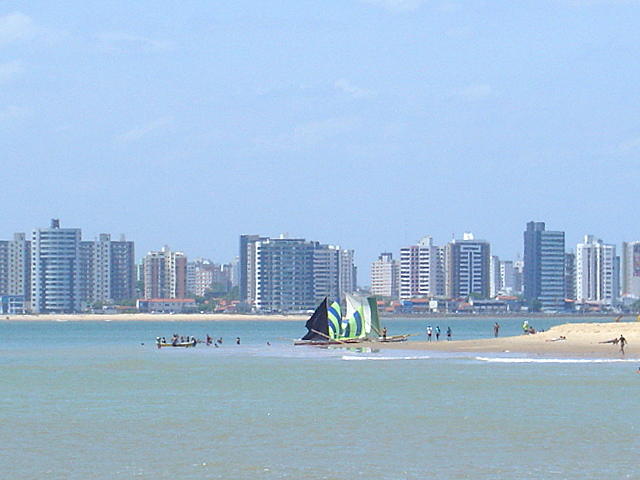
Geography and character
Aracaju lies on a coastal plain with a mix of beaches, mangrove-lined waterways and low hills. Its shoreline features public promenades and sandy beaches that attract residents and visitors. The climate is tropical, with consistently warm temperatures and a marked wet season, which supports lush coastal vegetation and local fisheries that remain part of the regional economy.
Origins and development
The city was established as a planned capital in the mid-19th century to replace the older colonial seat nearby. This intentional founding shaped Aracaju’s orderly street grid and public spaces, distinguishing it from many organically grown colonial towns. The name is of indigenous origin and is commonly understood to reference local vegetation, reflecting the region’s native cultural and natural history. For more on its founding and urban plan see 19th-century planning sources.
Economy, culture and infrastructure
Today Aracaju’s economy is diverse: public administration and services are important, and tourism around beaches and cultural events brings seasonal income. The city hosts markets, museums and a noticeable culinary scene emphasizing seafood and regional dishes. Transportation connections include a regional airport, highways that link to neighboring coastal capitals and a small commercial port that supports local fishing and trade.

Notable features and visitor highlights
- Beaches and waterfront promenades, suitable for swimming and evening leisure.
- Compact downtown and planned neighborhoods that make navigation straightforward.
- Cultural institutions, local markets and festivals that showcase northeastern Brazilian music and cuisine.
- Nearby natural areas with mangroves and coastal wildlife important for conservation and ecotourism.
As one of Brazil’s smaller state capitals by population, Aracaju offers a quieter alternative to larger northeastern cities while maintaining the public services and cultural offerings of a capital. Visitors and students of urbanism often point to its origin as a planned capital and its coastal setting as central to its identity and appeal.
Questions and answers
Q: What is Aracaju?
A: Aracaju is a modern capital city in the state of Sergipe, located in the northeast region of Brazil.
Q: How many inhabitants does Aracaju have?
A: Aracaju has an estimated population of 470,000 inhabitants, according to 2003 estimates.
Q: Where is Aracaju located?
A: Aracaju is located between the cities of Salvador and Maceio, also in the northeastern region of Brazil.
Q: When was Aracaju established as the capital of Sergipe?
A: Aracaju was planned and built to be the capital of Sergipe in 1855.
Q: What state is Aracaju the capital of?
A: Aracaju is the capital city of the state of Sergipe in Brazil.
Q: What region of Brazil is Aracaju located in?
A: Aracaju is located in the northeastern region of Brazil.
Q: What is the estimated population of Aracaju as of 2003?
A: The estimated population of Aracaju as of 2003 is around 470,000 inhabitants.
Related articles
Author
AlegsaOnline.com Aracaju — capital of Sergipe, Brazil Leandro Alegsa
URL: https://en.alegsaonline.com/art/5141