
Senkaku Islands (Diaoyu/Tiaoyutai) — geography, dispute and significance
Uninhabited East China Sea islets claimed by Japan, China (PRC) and Taiwan (ROC). Overview of geography, administration, history, strategic importance, and key points of the territorial dispute.
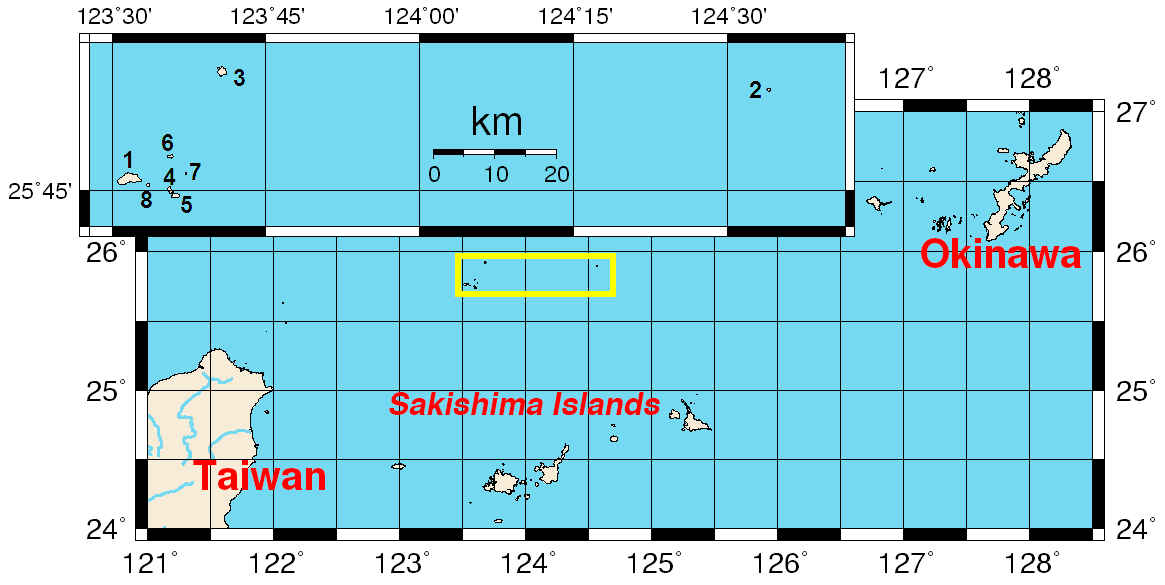
The Senkaku Islands (Japanese: Senkaku-shotō; Chinese: Diaoyu Dao/Tiaoyutai) are a small cluster of rocky, uninhabited islets in the East China Sea. They lie in a strategic maritime area east of mainland China, northeast of Taiwan and west of Okinawa. The group comprises several larger islets and numerous smaller islets and rocks; distances to nearby landmasses are often cited as roughly 200 km to Taiwan and about 300 km to Okinawa.
Image gallery
10 Images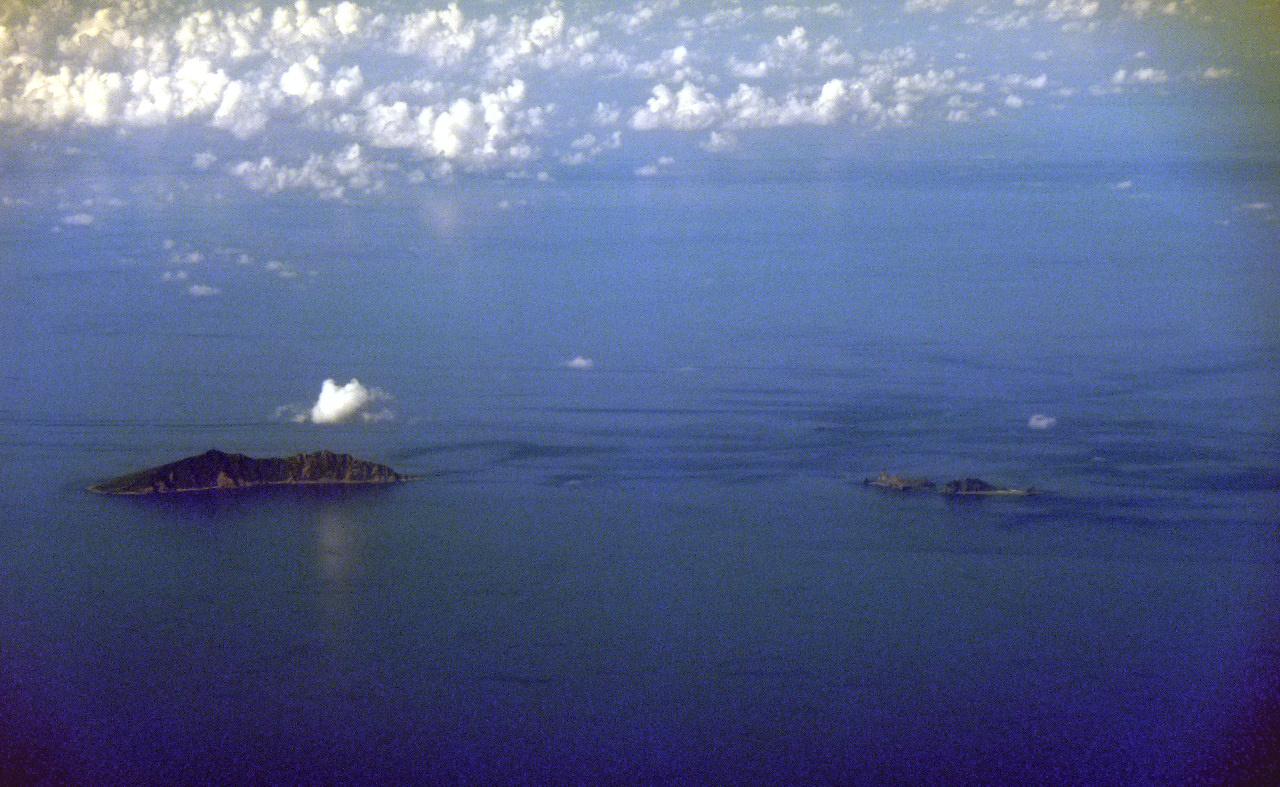



Geography and physical characteristics
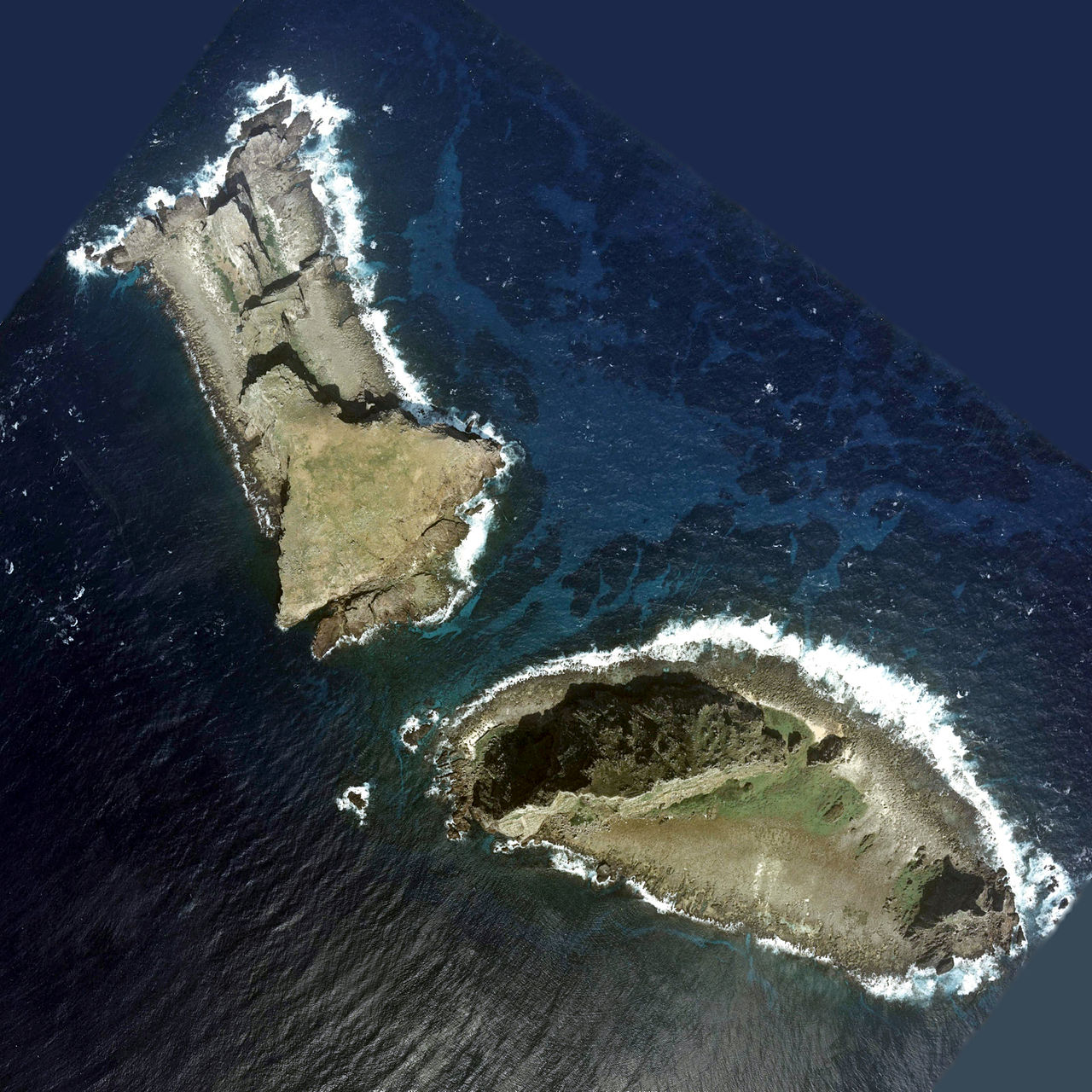
The islands are volcanic and largely barren, with limited vegetation and no permanent population. The main features are a few relatively larger islets—commonly referred to in Japanese as Uotsuri (the largest), Kita and Minami—and multiple smaller rocks and reefs. They sit along the edge of the continental shelf and are surrounded by productive fishing grounds and sea lanes that connect East Asian ports.
Administration and legal positions
Administratively the islands are currently under Japanese control and are managed as part of Okinawa Prefecture. After World War II they were placed under U.S. administration and were returned to Japanese administration in 1972 as part of the Okinawa reversion. Both the People's Republic of China (PRC) and the Republic of China (Taiwan) assert sovereignty, and each claims historical and legal rights to the territory. The competing claims extend to jurisdiction over nearby maritime zones and resources.
History and recent developments
Although uninhabited, the islands have been known and used by regional fishermen for centuries. In the 20th and 21st centuries they became a focal point of national claims and diplomatic friction. Notable moments include the 1970s recognition of potential hydrocarbon reserves in nearby waters, the 1972 administrative transfer from U.S. to Japanese control, and the 2012 purchase and nationalization of some islands by the Japanese government—an action that heightened tensions with China.
Importance and contemporary issues
Interest in the islands stems from several factors: strategic position along maritime routes, valuable fishing grounds, and possible undersea energy resources. The dispute has led to frequent naval and coast guard patrols, diplomatic protests, and occasional confrontations at sea. International actors have also weighed in—most prominently the United States, which has said in recent years that its security commitments to Japan apply to territories under Japanese administration—affecting regional security calculations.
Key distinctions and notable facts
- The name varies by language and claimant: Senkaku (Japan), Diaoyu/Tiaoyutai (PRC/ROC).
- The islands are uninhabited but visited by activists, researchers and fishers.
- Claims involve historical evidence, international law on territorial acquisition, and maritime entitlements such as exclusive economic zones.
The Senkaku/Diaoyu dispute remains a sensitive and enduring element of East Asian diplomacy. Discussions about the islands encompass historical interpretation, resource access, national prestige and security arrangements, and they continue to shape regional relations and maritime policy.
For maps, legal documents and country positions see: group overview, detailed lists of islets and rocks, geographic context in the East China Sea, and proximity notes for mainland China, Taiwan and Okinawa.
Related articles
Author
AlegsaOnline.com Senkaku Islands (Diaoyu/Tiaoyutai) — geography, dispute and significance Leandro Alegsa
URL: https://en.alegsaonline.com/art/88843
Sources
- geographic.org : Senkaku-guntō, Japan
- geographic.org : Senkaku-rettō, Japan
- books.google.com : International Organizations and the Law of the Sea, p. 107
- taiwanheadlines.gov.tw : "Ma Ying-jeou: Beijing’s Senkaku Claim isn’t Taipei’s Claim,"
- digitalcommons.law.umaryland.edu : The Diaoyutai/Senkaku Islands Dispute: Its History and an Analysis of the Ownership Claims of the PRC, ROC, and Japan, p. 10 (PDF 12 of 150)
- globalsecurity.org : "Senkaku/Diaoyutai Islands"
- foreignpolicy.com : "China and Japan's Wikipedia War,"
- books.google.com : p. 108
- china-un.org : Foreign Ministry Spokesperson's Remarks
- nbenegroup.com : Youth Research Group
- nbenegroup.com : "Senkaku (Diaoyudao) Islands"
- books.google.com : Territorial disputes among Japan, Taiwan and China concerning the Senkaku Islands, pp. 11-12
- digitalcommons.law.umaryland.edu : p. 41 (PDF 43 of 150)
- select.nytimes.com : "Senate Endorses Okinawa Treaty; Votes 84 to 6 for Island's Return to Japan,"
- opencrs.com : Congressional Research Service Report 96-798