
Islet (small island)
A concise overview of islets: small islands defined by size and isolation, their formation, ecology, human uses, legal issues, and examples such as Ortac and the Senkaku Islands.
Overview
An islet is a very small island, typically too small to support large-scale habitation or extensive infrastructure. The term is used in geography and marine contexts to describe landforms that rise above sea level and are surrounded by water, but that are markedly smaller than islands commonly thought of as habitable or economically developed. Many islets are uninhabited and valued for their natural features, navigation markers, or symbolic importance.
Image gallery
10 Images






Formation and characteristics
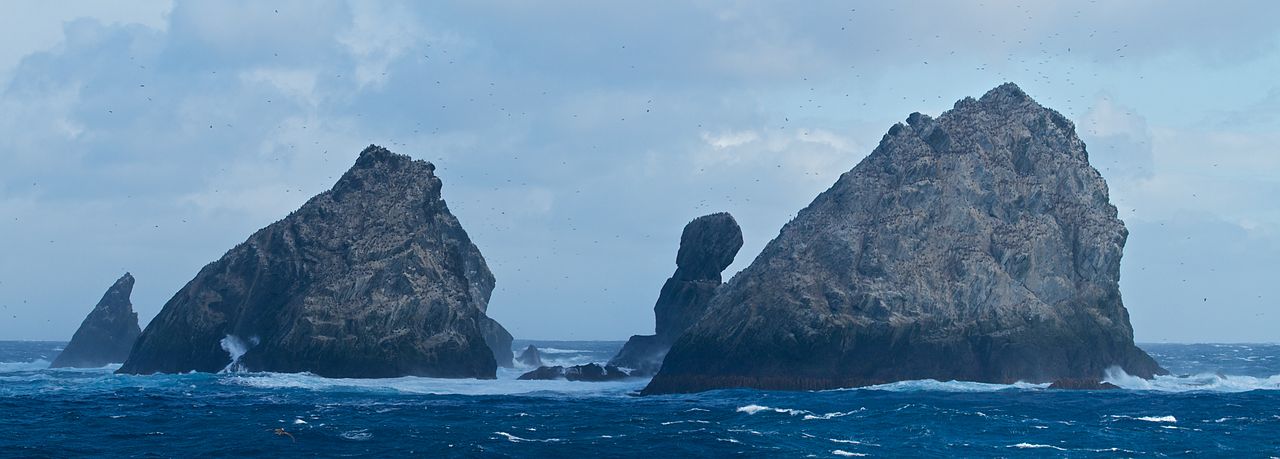
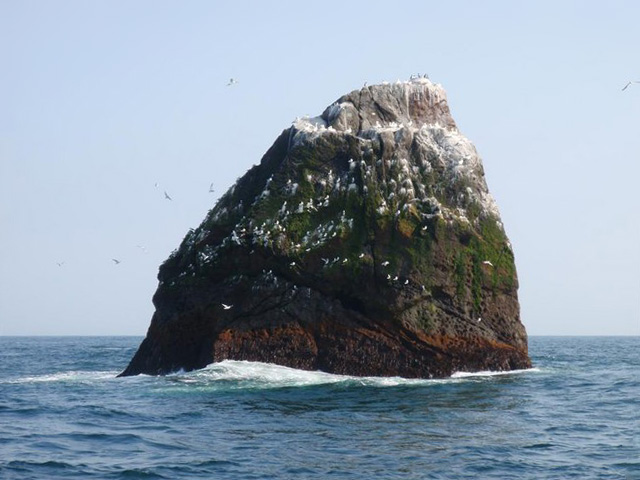
Islets form by a variety of geological and biological processes. They may be the exposed peaks of submerged rocks, volcanic cones reduced by erosion, coral build-ups such as cays and motus, or accumulations of sand and sediment. Common characteristics include limited soil depth, sparse freshwater, and simplified plant and animal communities. Their size, shape, and permanence can change with storms, tides, and sea-level variation.
Types and distinguishing terms
- Skerries: Small rocky islets often clustered near coasts.
- Cays and motus: Low, sandy islets formed on coral reefs.
- Rock outcrops: Steep or barren islets rising from deeper water.
Uses, ecology, and cultural importance
Although small, islets serve important ecological and human roles. They are nesting sites for seabirds and haul-out spots for marine mammals, refuges for unique plant species, and stepping stones for dispersal. People use islets for lighthouses, navigation aids, scientific research, recreation, and occasionally small-scale fishing or grazing. Some hold cultural or historical significance for nearby communities.
Legal and geopolitical aspects
Islets can influence maritime boundaries and resource rights because sovereignty over a feature may affect territorial seas, exclusive economic zones, and fishing rights. In some cases, tiny islands become subjects of international dispute or strategic interest. Whether an islet qualifies for maritime entitlements depends on national and international law and the feature’s habitability or permanence.
Notable examples
Familiar examples illustrate the variety of islets: Ortac is a rocky islet in the English Channel, noted for birdlife and navigational prominence. The Senkaku Islands in the East China Sea include small islets whose sovereignty has broader regional significance. These cases show how even very small landforms can have ecological and political importance.
Related articles
Author
AlegsaOnline.com Islet (small island) Leandro Alegsa
URL: https://en.alegsaonline.com/art/48448
Sources
- sea-seek.com : Casquettes
- cicz.co.uk : Destination Guernsey
- globalsecurity.org : "Senkaku/Diaoyutai Islands"