
John Philip Sousa
American composer and conductor known as the “March King,” leader of the U.S. Marine Band and composer of enduring military and patriotic marches.
Overview
John Philip Sousa (November 6, 1854 – March 6, 1932) was an American musician, bandleader and composer best known for his marches and for shaping concert and military band culture in the United States. Born in Washington, D.C., to parents of Portuguese and Bavarian descent, Sousa became a public figure through his long association with the United States Marine Band and later with his own civilian ensemble.
Image gallery
10 Images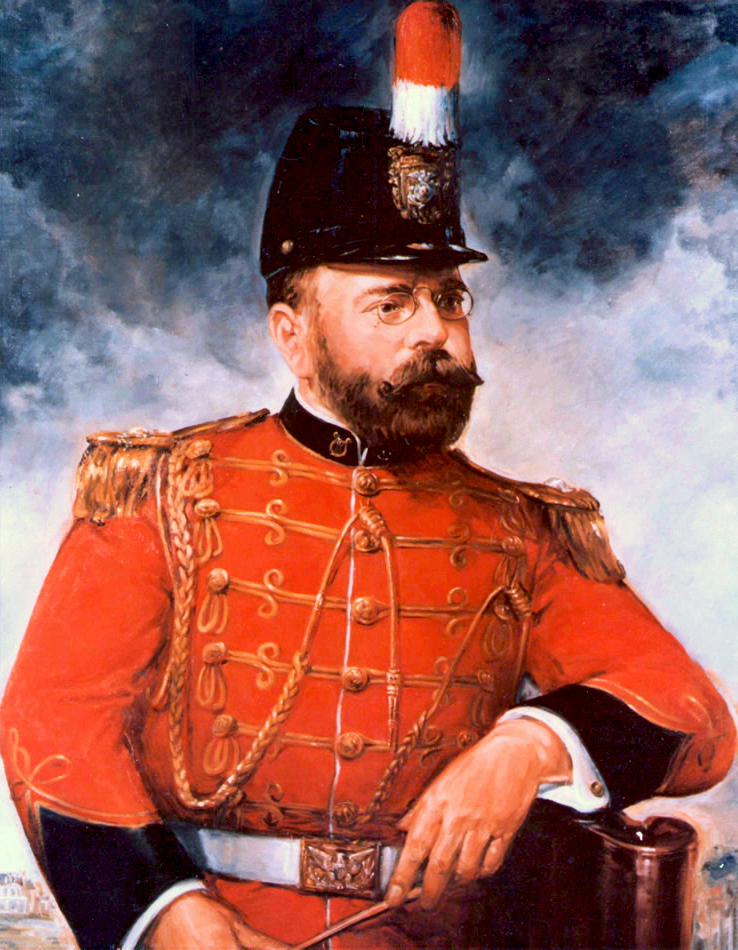


Musical characteristics and notable works
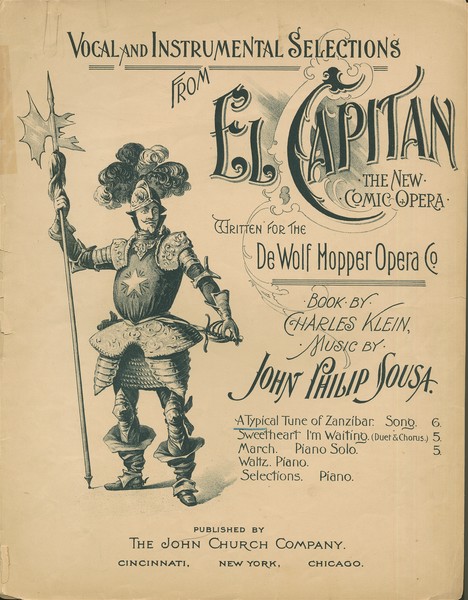
Sousa’s marches are recognizable for their bright, rhythmic propulsion, clear melodic lines and contrasting trios. He often used strong, singable themes and dramatic breakstrains to create contrast and excitement. Several of his pieces are embedded in American public life, including "Semper Fidelis" (the official march of the U.S. Marine Corps), "The Stars and Stripes Forever" (long associated with national celebrations), and popular salon marches such as "The Washington Post." His output includes more than a hundred marches along with operettas, songs and instrumental pieces.
Career and development
Sousa joined the U.S. Marine Band as an apprentice and was named its conductor in 1880. During his tenure he raised performance standards, expanded the repertory, and increased the band's public visibility. In the early 1890s he left government service to form the Sousa Band, a professional touring ensemble that performed extensively across the United States and abroad, bringing band music to large civilian audiences and popularizing many of his compositions.
Innovations and influence
Beyond composing, Sousa influenced instrument design and presentation for marching ensembles. He collaborated with instrument makers to adapt brass instruments for marching use; the sousaphone, developed to project the tuba’s sound while marching, bears his name. Sousa’s showmanship, precise rehearsal methods and high standards had a lasting effect on American band culture and music education.
Legacy and reception
Sousa became known as the "March King" during his lifetime and remains a touchstone for American patriotic music. His pieces continue to be performed by military and community bands, school ensembles and at civic events. One of his marches has been formally associated with national ceremony by legislative action, and others are staples of parades and celebrations.
Personal notes and death
Sousa spent his final years touring and composing. He died of heart failure in Reading, Pennsylvania, and was interred in Washington, D.C. His life bridged military, civic and commercial music-making, and his works remain widely recognized symbols of American band tradition.
- Representative pieces: "Semper Fidelis", "The Stars and Stripes Forever", "The Washington Post"
- Roles: band conductor, composer, touring ensemble leader
- Contributions: popularized concert band repertoire; helped develop marching instrumentation
Related articles
Author
AlegsaOnline.com John Philip Sousa Leandro Alegsa
URL: https://en.alegsaonline.com/art/122619