
Seminal vesicle
Paired tubular glands in the male reproductive tract that produce most of the seminal fluid, supplying nutrients, prostaglandins and alkaline secretions that support sperm transport and viability.
Overview
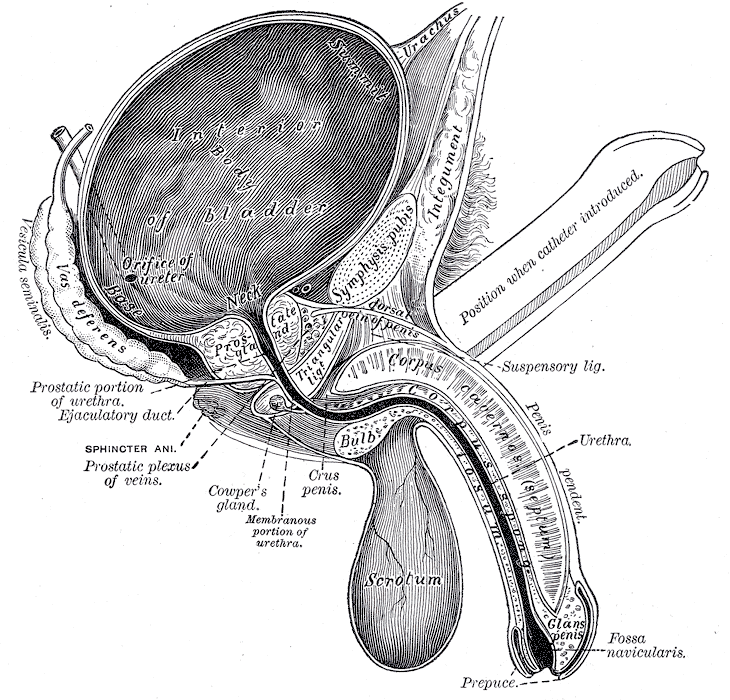
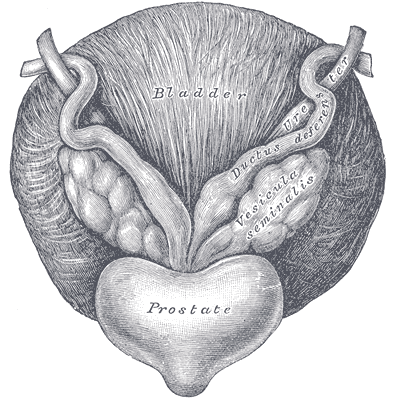
The seminal vesicles are a pair of elongated, sac-like glands located behind the urinary bladder and above the prostate in males. They are part of the internal reproductive organs and contribute the majority of the fluid volume in an ejaculate, producing a viscous, alkaline secretion that mixes with sperm from the testes and fluids from other glands to form semen.
Image gallery
10 Images




Structure and secretion
Each seminal vesicle is a convoluted tube whose inner surface forms mucosal folds that increase secretory area. The gland produces a complex secretion containing fructose and other simple sugars, citrate, prostaglandins, amino acids, and proteins that participate in coagulation and liquefaction of semen. These components help nourish sperm, modulate the female reproductive tract, and promote sperm motility.
Development and anatomy
Embryologically, seminal vesicles develop as outgrowths of the mesonephric (Wolffian) duct during male fetal development. Normal anatomy is bilateral, but variations occur; congenital absence of one or both seminal vesicles may be associated with problems of the nearby vas deferens and kidneys. For diagrams and more on anatomical relationships see anatomical references and histologic descriptions at histology resources.
Function and physiological role
The glandular secretions contribute a large fraction of ejaculate volume—roughly the majority of seminal plasma—and supply energy substrates (notably fructose) and signaling molecules. Prostaglandins may influence uterine contraction and sperm transport after intercourse. The alkaline nature of the fluid helps neutralize acidic vaginal secretions, improving sperm survival.
Clinical relevance
Seminal vesicles can be affected by inflammation (vesiculitis), cysts, calculi, or involvement by malignancy from adjacent organs such as the prostate. They are examined in imaging and in some fertility assessments; abnormalities may be evaluated during a semen analysis or with pelvic imaging and referenced within studies of the male reproductive system. Treatment depends on the underlying condition.
Notable distinctions
- Distinct from the prostate and bulbourethral glands in both structure and secretory composition.
- Secretion is primarily fructose-rich and more alkaline than prostatic fluid.
- Essential for normal seminal volume and for providing chemical factors that support early stages of sperm function.
Related articles
Author
AlegsaOnline.com Seminal vesicle Leandro Alegsa
URL: https://en.alegsaonline.com/art/88748