
Sericulture: the cultivation and production of silk
Sericulture is the practice of rearing silkworms and processing their cocoons to produce silk fibers, threads, and fabrics. It includes biological, technical and cultural aspects from breeding to textile manufacture.
Overview
Sericulture, commonly called silk farming, is the set of activities by which humans rear silkworms to obtain natural protein fibers used in textiles. The process begins with raising silkworms and harvesting their cocoons to extract silk fibers. Those fibers are combined into silk thread, then twisted into silk yarn and woven into silk cloth. Sericulture connects animal husbandry, simple mechanized work and traditional handicraft techniques.
Image gallery
10 Images




Life cycle and rearing
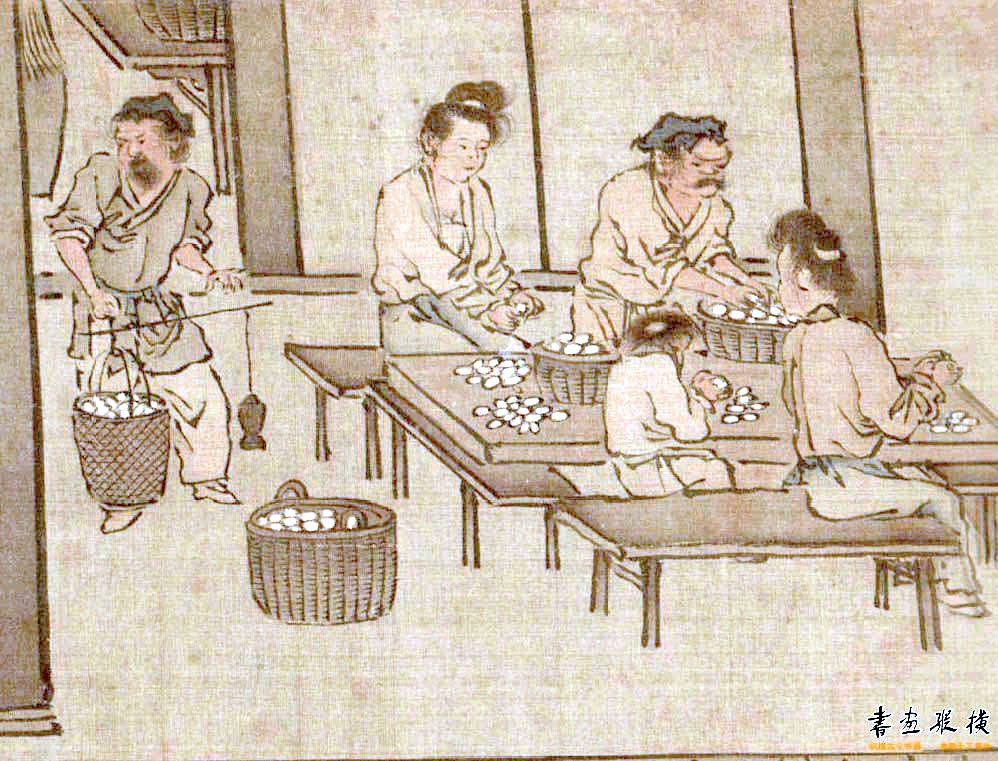
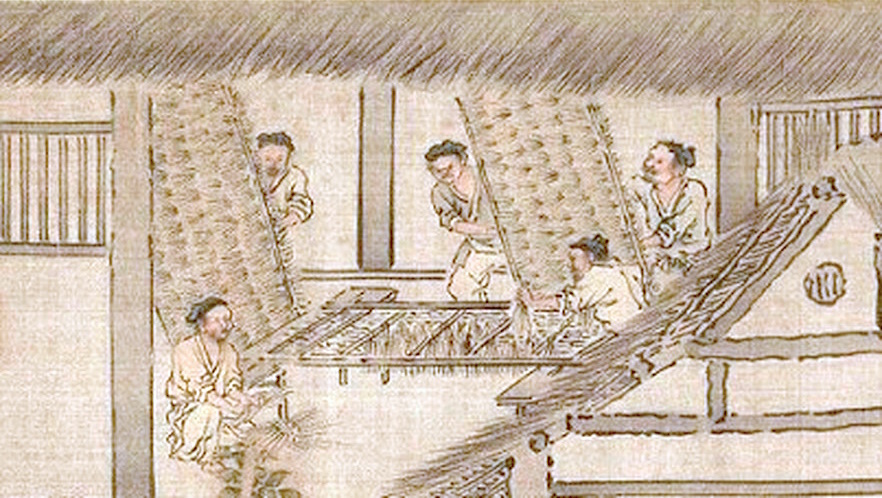
Silkworms used in most commercial sericulture belong to the domesticated moth Bombyx mori, though wild species are used for specialty silks. The life cycle includes egg, larval (caterpillar), pupal (inside the cocoon) and adult moth stages. Rearing emphasizes clean, well-ventilated space, controlled temperature and regular feeding—mulberry leaves are the primary diet for Bombyx mori. Practical sericulture involves managing batches of larvae, protecting them from disease and timing cocoon harvest for optimum fiber quality.
From cocoon to textile
Processing transforms raw cocoons into usable yarn. Typical steps include harvesting cocoons, stifling pupae to prevent moth emergence, sorting and boiling or softening the cocoon to free the long filament. The long filaments are reeled together to form continuous thread; later operations—twisting, dyeing and weaving—produce finished textiles. Key quality factors are filament length, fineness and uniformity.
Varieties, uses and examples
Not all silks are the same: mulberry silk is prized for its smooth luster and consistency, while wild silks (such as Tussar, Eri and Muga) have distinct textures and colors. Silk is used for clothing, home textiles, technical fabrics and in some cultures for ceremonial garments. Smallholder farms, cottage industries and industrial mills all participate in different parts of the supply chain.
History and global importance
Sericulture has ancient origins and played a notable role in trade networks between East and West. Over centuries the practice spread beyond its original centers and adapted to local species and climates. Today sericulture remains economically important in regions where mulberry cultivation and labor for rearing are available, supporting livelihoods and artisanal traditions.
Challenges, sustainability and distinctions
Modern sericulture faces challenges: pest and disease management (for example, larval infections), pressures on mulberry cultivation, labor intensity and concerns about animal welfare and chemical use in processing. Sustainable approaches emphasize integrated pest management, organic feeding and improvements in efficiency. Distinctions to remember include the contrast between cultivated mulberry silk and various wild silks, and between the biological cycle of the insect and the mechanical stages of textile manufacture.
- Typical processing stages: harvesting, stifling, boiling/degumming, reeling, twisting, weaving.
- Quality influences: species, larval diet, cocoon handling, reeling technique.
- Modern links between tradition and industry: small-scale artisanal sericulture through to mechanized mills.
Questions and answers
Q: What is sericulture?
A: Sericulture is the process of making silk fibers.
Q: What does silk farming involve?
A: Silk farming involves the raising of silkworms and processing the fibers they produce.
Q: What is the first step in sericulture?
A: The first step in sericulture is raising silkworms.
Q: What happens to the fibers produced by silkworms?
A: The fibers produced by silkworms are processed and combined to make silk thread.
Q: What can be done with silk thread?
A: Silk thread can be twisted into silk yarn or woven into silk cloth (fabric).
Q: What is another name for sericulture?
A: Another name for sericulture is silk farming.
Q: How is silk made?
A: Silk is made through the process of sericulture, which involves raising silkworms and processing the fibers they produce into silk thread. The thread can then be twisted into yarn or woven into fabric.
Related articles
Author
AlegsaOnline.com Sericulture: the cultivation and production of silk Leandro Alegsa
URL: https://en.alegsaonline.com/art/89059
Sources
- texeresilk.com : "Silk Making: How to Make Silk"