
Semi-trailer truck: design, history, uses, and notable features
Comprehensive overview of the semi-trailer truck (tractor-trailer), covering design, components, history, common variants, uses, safety and emerging technologies.

A semi-trailer truck, often called a semi, tractor-trailer or colloquially a "big rig" or "eighteen-wheeler", is a heavy vehicle composed of a powered towing unit and a detachable trailer that carries freight. In the United Kingdom and Ireland it is commonly termed an articulated lorry or artic. The tractor provides motive power and controls; the semi-trailer rests on the tractor via a coupling system that allows articulation and load transfer. Most operate on diesel engines, though alternative fuels and electric drive systems are increasingly used.
Image gallery
10 Images


Design and main components
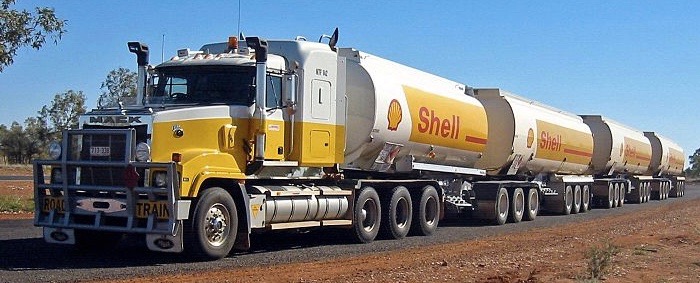
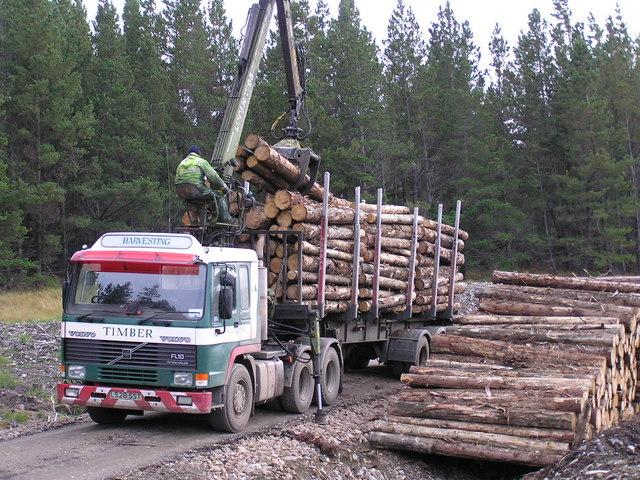
Key parts include the tractor (cab), the semi-trailer, the fifth wheel coupling and kingpin, axles, suspension, braking systems and cargo-specific fittings. Modern tractors may have day cabs or sleeper berths, manual or automated transmissions, and advanced telematics. Trailers vary by purpose: dry vans, refrigerated units, flatbeds, tankers and container chassis are among the most common.
Types and common variants
- Dry van: enclosed box for general freight
- Refrigerated (reefer): temperature-controlled freight
- Flatbed: open deck for oversized loads
- Tanker: bulk liquids or gases
- Container chassis: carries shipping containers
Each variant uses specific fittings, restraints and safety equipment suitable to its cargo. The coupling and air-brake systems allow safe stopping and maneuvering despite large mass and length.
History and development
The semi-trailer concept developed during the early 20th century as road freight demand grew and truck chassis became powerful enough to tow detachable bodies. Diesel power, standardization of trailer dimensions, and improvements in suspension and braking enabled longer hauls and heavier loads. Over decades, regulation, logistics practices and containerization shaped the modern supply chain role of semi-trailers.
Uses, regulations and notable features
Semi-trailer trucks are central to freight transport on highways, supplying retail, manufacturing and agriculture. Operators must meet licensing, vehicle inspection and weight limit regulations that vary by jurisdiction; enforcement and permitting affect routing and load sizes. Safety technologies such as electronic stability control, anti-lock brakes and telematics for driver hours are widespread. Innovations include aerodynamic fairings, automated transmissions, alternative fuels and early trials of platooning and electric drivetrains.

Safety, maintenance and impact
Routine maintenance focuses on tires, brakes, lighting and coupling integrity; failures in these areas are high risk. Environmental efforts target fuel efficiency and emissions reductions while logistics aim to optimize loads and reduce empty miles. For technical specifications, operator guidance and regulatory details consult specialized resources such as manufacturer material and transport authority documentation: vehicle guidance, tractor specifications and industry portals provide further information.
Related articles
Author
AlegsaOnline.com Semi-trailer truck: design, history, uses, and notable features Leandro Alegsa
URL: https://en.alegsaonline.com/art/88743
Sources
- ops.fhwa.dot.gov : "Federal Size Regulations for Commercial Motor Vehicles"
- ops.fhwa.dot.gov : "Freight Management and Operations: Bridge Formula Weights"
- returnloads.net : "A Guide to Haulage & Courier Vehicle Types & Weights (UK)(easy read table)"
- itf-oecd.org : "Permissible Maximum Dimensions of Lorries in Europe (easy read table)"
- eur-lex.europa.eu : "Council Directive 96/53/EC laying down for certain road vehicles circulating within the Community the maximum authorized dimensions in national and international traffic and the maximum authorized weights in international traffic"
- commons.wikimedia.org : Semi-trailer truck