
SEPTA Regional Rail
Commuter rail network serving Philadelphia and nearby suburbs; operated by SEPTA, it links former Pennsylvania Railroad and Reading routes through the Center City Commuter Connection.
Overview
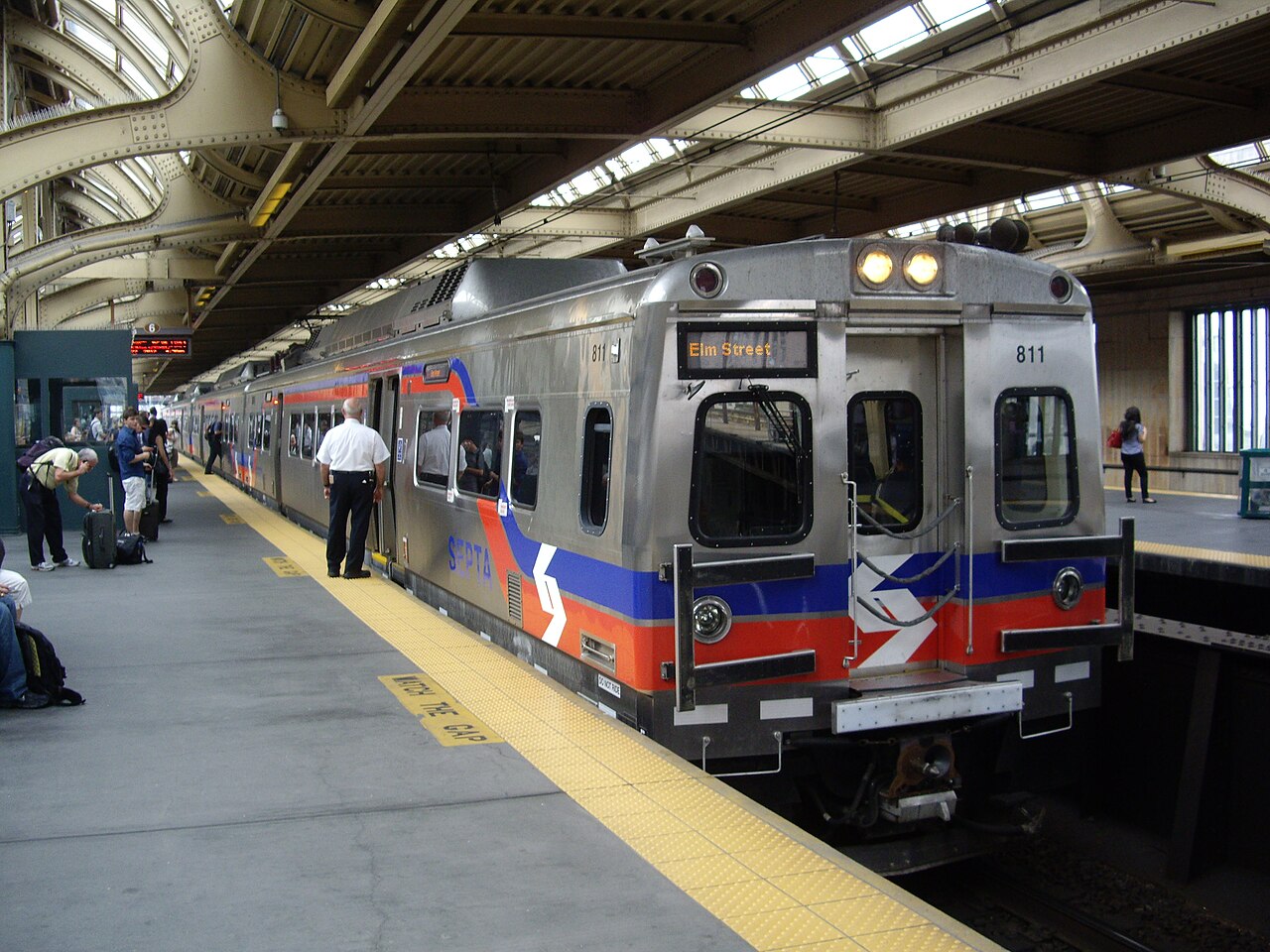
SEPTA Regional Rail is the commuter-rail system serving the city and surrounding suburbs of Philadelphia in Pennsylvania. It provides scheduled passenger service between suburban endpoints and a downtown core, carrying commuters, students and visitors to downtown employment centers, universities, hospitals and cultural attractions. The network links lines that were once operated by historic private railroads into an integrated regional system.
Image gallery
9 Images





Network and stations
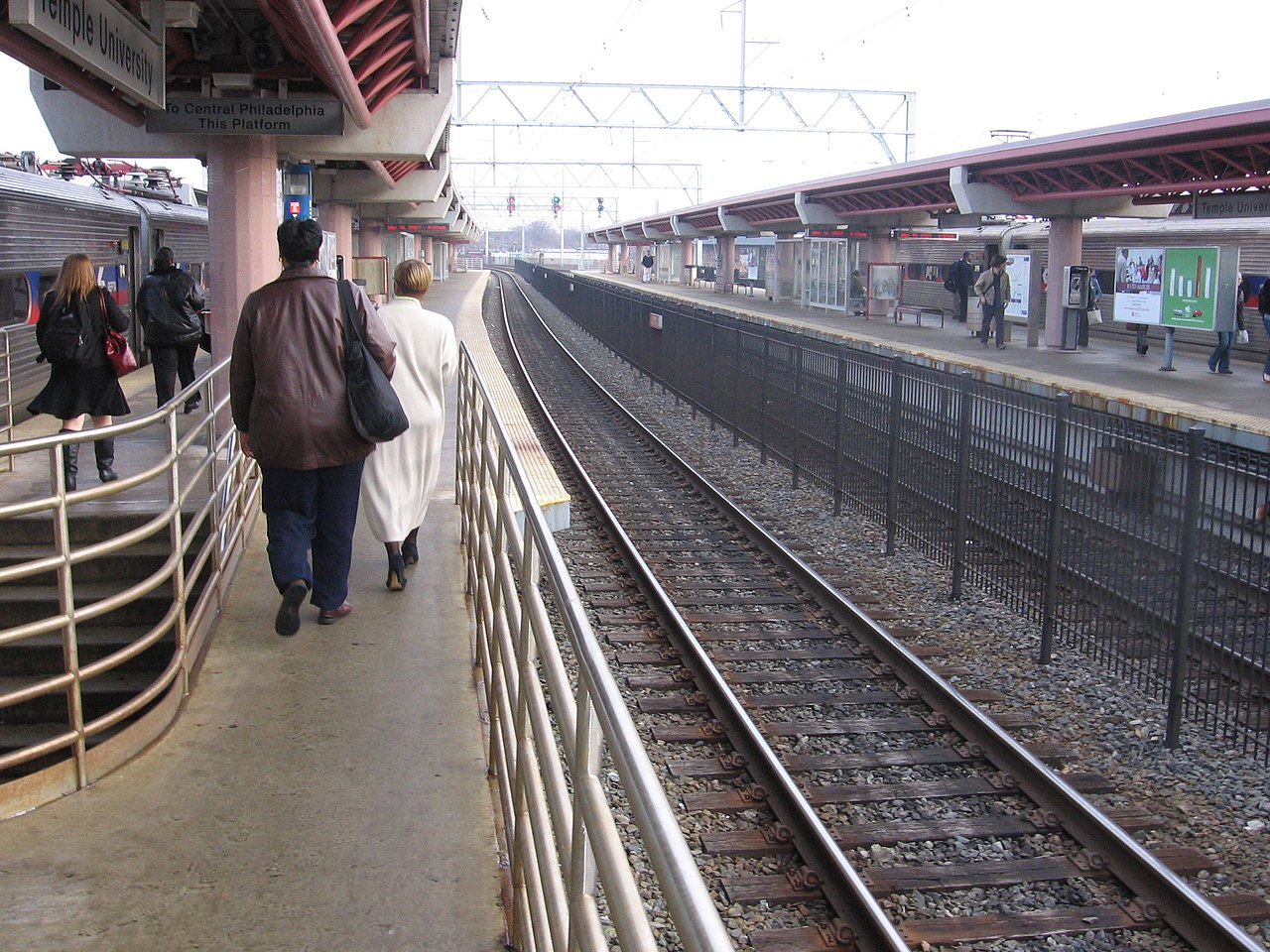
The network comprises multiple named lines that converge through a central spine, allowing many trains to run through the city rather than terminate at separate terminals. A major infrastructure element is the Center City Commuter Connection (CCCC), which unites formerly separate terminals and enables continuous routes across downtown; more information about the connection is available via the system page: Center City Commuter Connection. Core downtown stations include Suburban Station, the elevated 30th Street Station and Jefferson Station, which serve as principal boarding and transfer points for most lines.
History
The corridors used by Regional Rail largely follow rights-of-way developed by the long-established Pennsylvania Railroad and the Reading Railroad. After mid-20th-century declines in private commuter services, public agencies consolidated and modernized suburban lines to improve reliability and coordination. The construction of the downtown tunnel connection was a defining project that allowed through-running service and better cross-city connections.
Rolling stock and operations
Operations use a combination of electric multiple units and locomotive-hauled trains, depending on the route and equipment availability. Service patterns vary by line, with frequent peak-period trains on core corridors and reduced off-peak or weekend frequencies on lower-demand branches. The system is scheduled to integrate with other transit modes for timed transfers where feasible.
Fares, accessibility and connections
Fares are commonly zone-based and include single-ride, multi-ride and period pass options that work with regional transit fare policies. Stations vary in accessibility; many have been upgraded to improve step-free access and passenger amenities, while continued investments address remaining gaps. Riders often connect to local buses, rapid transit lines and regional services for end-to-end journeys; see local transit resources and suburban guides for connections and trip planning: city and suburbs information.
Role and development
As the principal commuter rail system for the Philadelphia area, SEPTA Regional Rail reduces road congestion, links labor markets to urban job centers and preserves important rail corridors. Ongoing initiatives typically focus on fleet renewal, station modernization, service improvements and accessibility projects to adapt to changing travel patterns and community needs.
Further information
For schedules, current maps, rider alerts and official guidance consult the operator: SEPTA, transit planning documents and station pages for Suburban, 30th Street and Jefferson stations (Suburban Station, 30th Street Station, Jefferson Station). Additional regional planning and service details are available through municipal and transit authority portals: local transit information.
Related articles
Author
AlegsaOnline.com SEPTA Regional Rail Leandro Alegsa
URL: https://en.alegsaonline.com/art/88913