
Shadows-on-the-Teche: Antebellum Plantation House in New Iberia, Louisiana
Shadows-on-the-Teche is an 1833–34 Greek Revival brick mansion on Bayou Teche near New Iberia, notable for its architecture, plantation history, gardens and preservation by the National Trust.
Overview
Shadows-on-the-Teche is a brick plantation house constructed in 1833–34 on the banks of Bayou Teche in New Iberia, Louisiana. Commissioned by David and Mary Weeks, prosperous sugarcane planters, the house is a well-known regional example of Greek Revival domestic architecture adapted to a Gulf Coast setting. Intended as both a family residence and a place for social entertaining, Shadows became an architectural and cultural landmark along the bayou.
Image gallery
3 Images

Architecture and construction
The principal elevation is dominated by a full-height portico supported by eight columns and a second-floor verandah overlooking the waterway. These sheltered outdoor spaces are typical adaptations to the subtropical climate, providing shade and breezeways for the main rooms. Built of hand-laid brick, the house integrates the classical symmetry and proportions of Greek Revival design with pragmatic features such as raised foundations and wide galleries that assisted ventilation and flood resilience. Interior appointments originally included Federal- and Empire-style furnishings imported from the eastern United States, reflecting the Weeks family’s wealth and taste.
Plantation economy and social context
Shadows-on-the-Teche was constructed at the edge of one of the Weeks family’s sugarcane plantations. The plantation economy of antebellum southern Louisiana relied on enslaved labor; the household and agricultural operations at Shadows were part of that system. Understanding the site therefore requires recognizing both the ornate domestic architecture and the difficult, coercive labor conditions that underpinned the plantation’s prosperity. Contemporary interpretation at the site aims to present these intertwined histories.
Family history, Civil War and Reconstruction
The Weeks family experienced a series of personal and financial setbacks after the house was completed: David Weeks died soon after construction, and Mary Weeks later remarried. During the American Civil War the property was occupied by Union troops and the house was used by Federal officers, an occupation that mirrored military and social disruption across the region. In the decades after the war the family recovered some fortune, but successive generations were obliged to sell portions of their holdings during Reconstruction and into the 19th and early 20th centuries to meet economic needs.
William Weeks Hall and the gardens
William Weeks Hall, a great-grandson of David and Mary Weeks, made Shadows his home from the 1920s until his death in 1958. Hall devoted considerable effort to preserving the house and to creating a lush landscape around it. The gardens he developed include live oak allees and plantings of camellias, azaleas, bamboo and other species suited to south Louisiana’s climate; these plantings reflect early 20th-century tastes in regional garden design and a desire to conserve the estate’s remaining historic character.
Preservation, ownership and public interpretation
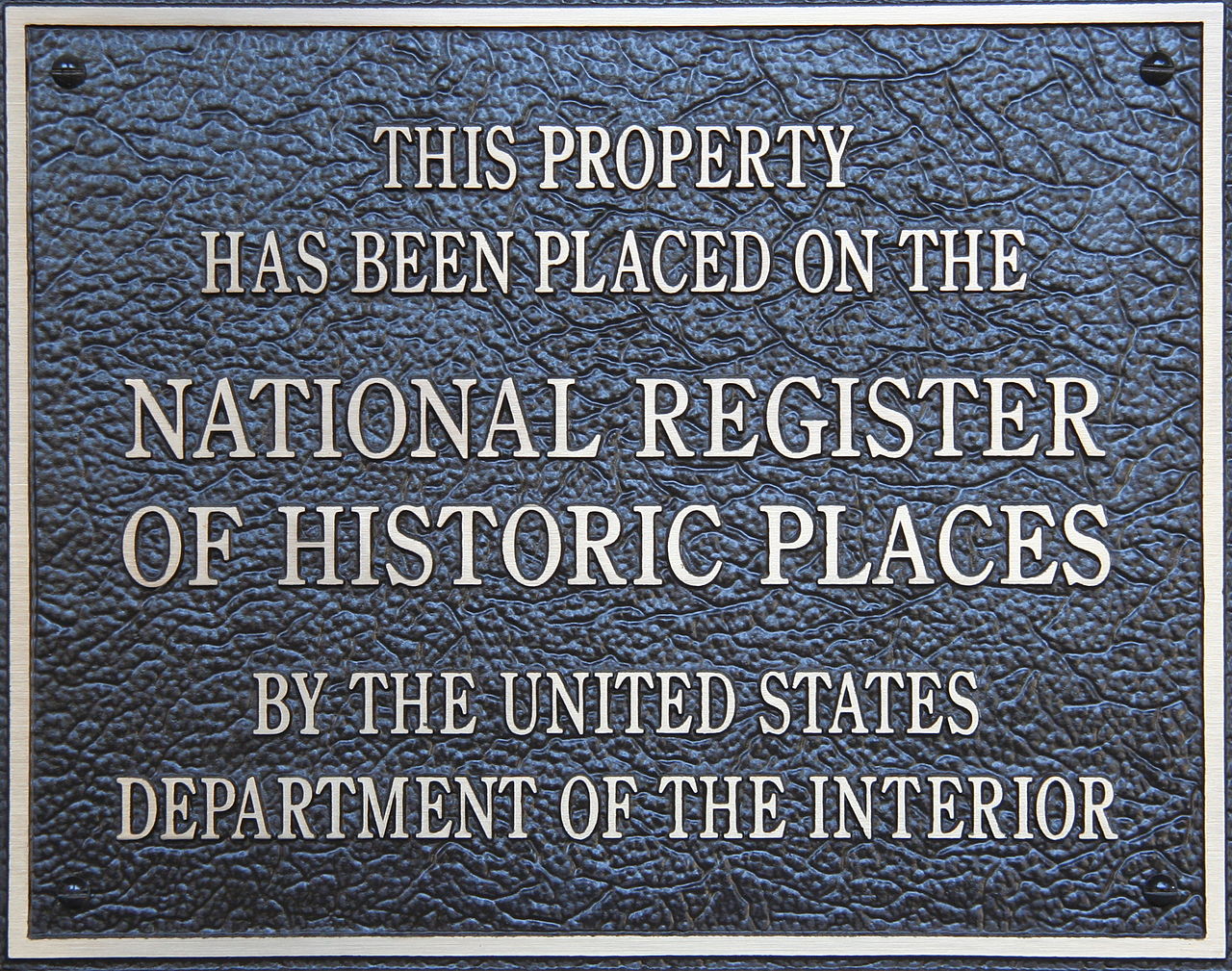
At his death, William Weeks Hall donated Shadows-on-the-Teche and its gardens to the National Trust for Historic Preservation. The National Trust has operated the property as a house museum and public garden, balancing conservation of the building fabric and landscape with programming that interprets architectural history and the complex social history of the plantation era. The house was designated a National Historic Landmark in 1974 in recognition of its architectural significance and its ability to illustrate aspects of 19th-century life in Louisiana.
Significance and visiting
Shadows-on-the-Teche is significant as one of the better-preserved examples of antebellum Greek Revival architecture along Bayou Teche and as a site where the layered histories of planter families, enslaved people, landscape design and twentieth-century preservation converge. Today the site functions as a museum with guided tours, garden visits and educational programs that aim to present multiple perspectives on the past, including the work and lives of enslaved people who sustained the plantation economy.
Further reading and resources
The following links provide introductory material and topics for further research related to the house, its architecture, landscape and history:
- Location and basic overview
- Weeks family and plantation history
- Architectural description (Greek Revival)
- Portico and verandah details
- Verandah and outdoor living spaces
- Construction materials and brickwork
- Interior furnishings and decorative arts
- Context on slavery and labor
- The Weeks family and secession
- Civil War occupation of Louisiana sites
- Biographical notes on Mary Weeks
- Preservation efforts by William Weeks Hall
- Garden plantings and landscape plan
- Bamboo and exotic plantings
- Camellias, azaleas and regional horticulture
- National Historic Landmark designation details
Note: For a fuller understanding of Shadows-on-the-Teche, consult primary documents and scholarly works on Louisiana plantation architecture, the sugar economy, and historic preservation practice, and seek out museum interpretation at the site that addresses both the household and the experiences of the enslaved community that sustained it.
Questions and answers
Q: Who built Shadows-on-the-Teche?
A: David and Mary Weeks built Shadows-on-the-Teche in 1833-34.
Q: What style is the house?
A: The house is Greek Revival in style.
Q: What materials were used to build the house?
A: The house was made of bricks.
Q: How did the Weeks family make their fortune?
A: The Weeks family were rich growers of sugarcane and owned four plantations.
Q: What happened to the Weeks family after completion of the house?
A: A series of tragedies struck the Weeks family following completion of the house, including David's death in August 1834 and Mary's death in December 1863.
Q: Who donated Shadows-on-the Teche to the National Trust for Historic Preservation?
A: William Weeks Hall, great grandson of David and Mary Weeks, donated Shadows on the Teche to the National Trust for Historic Preservation at his death in 1958.
Q: When was Shadows on Teche named a National Historic Landmark ?
A: Shadows on Teche was named a National Historic Landmark on 30 May 1974.
Related articles
Author
AlegsaOnline.com Shadows-on-the-Teche: Antebellum Plantation House in New Iberia, Louisiana Leandro Alegsa
URL: https://en.alegsaonline.com/art/89347
Sources
- shadowsontheteche.org : National Trust for Historic Preservation: Shadows-on-the-Teche