
Shanghai Tower
A 632 m, 128-storey megatall skyscraper in Pudong, Shanghai; a mixed-use landmark noted for its twisting form, double-skin façade, and role as China's tallest building.
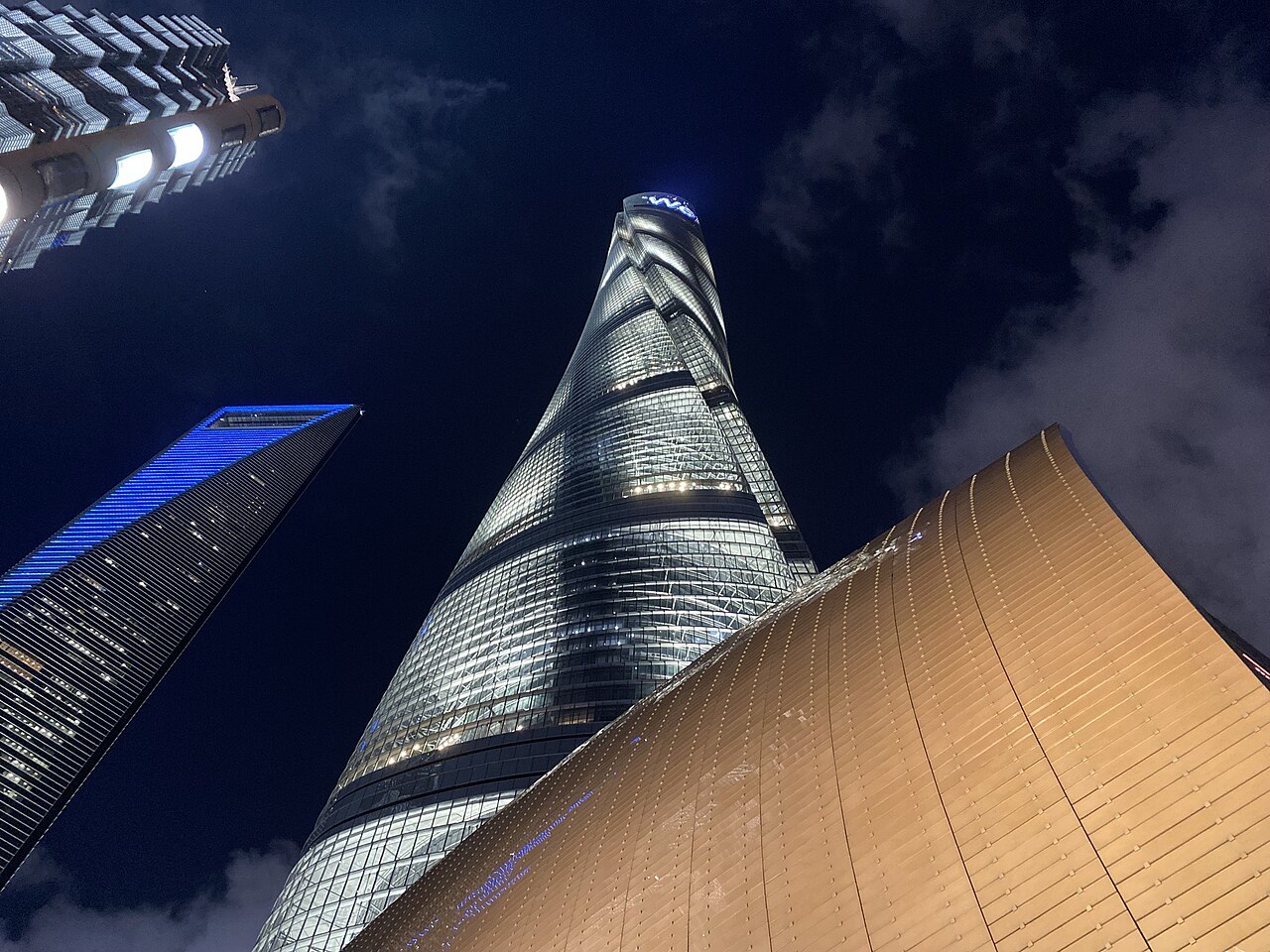
The Shanghai Tower (Chinese name: 上海中心大厦; pinyin: Shànghǎi Zhōngxīn Dàshà) is a 632-metre, 128-storey megatall skyscraper in the Pudong district of Shanghai. Completed and opened for use in 2015 after several years of construction, it is the tallest building in China and one of the tallest in the world. The tower is widely recognized for its spiraling form and for accommodating offices, a hotel, retail space and public observation areas within a single vertical complex.
Image gallery
8 Images




Design and structural features
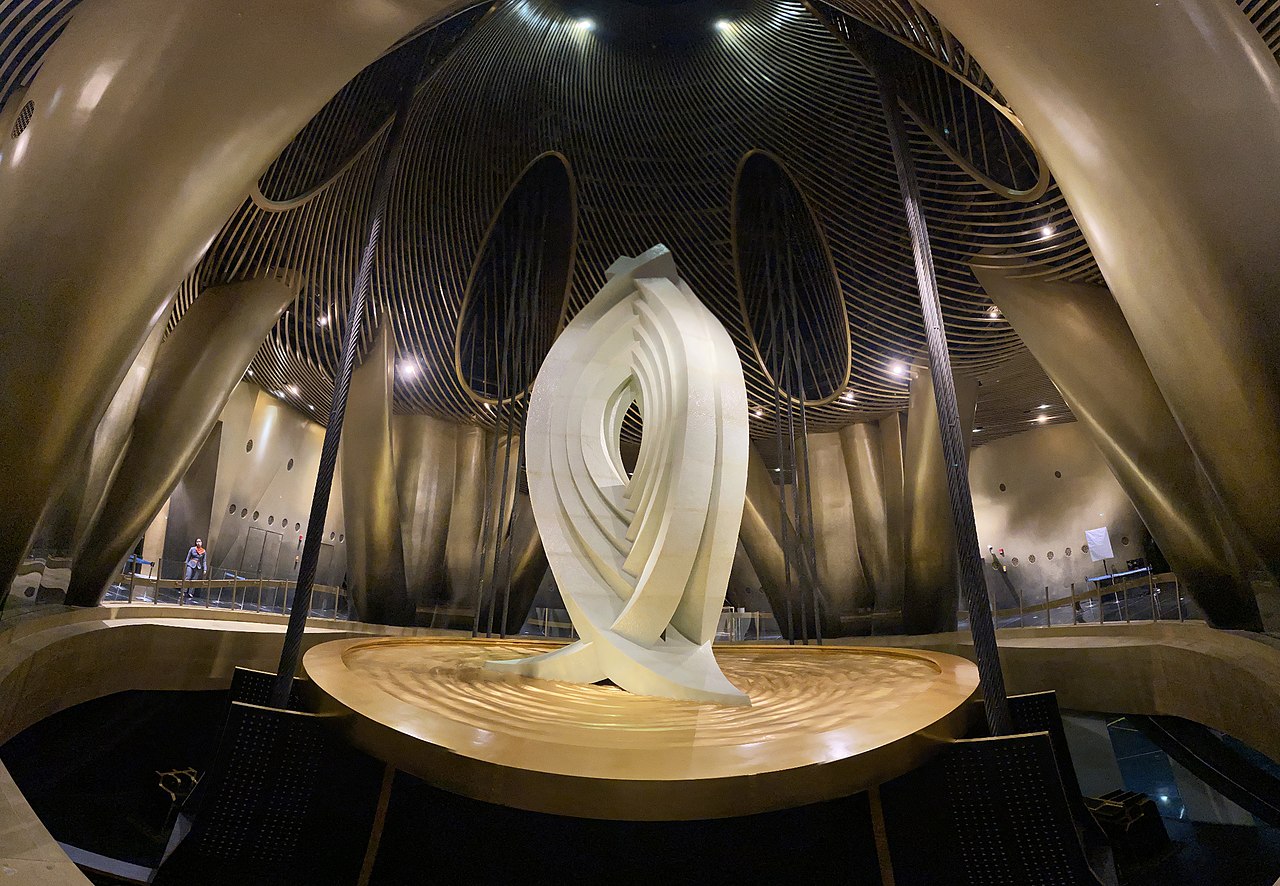
Architecturally, the tower is notable for a tapering, twisted profile that reduces wind loads and gives the building a distinctive silhouette on the skyline. The structure uses a layered system: a reinforced concrete core, steel framing and a double-skin glazed façade that creates a continuous inner volume of usable space wrapped by an outer glass curtain. That double-skin design helps control solar gain and improve thermal performance.
Functions and internal layout
Shanghai Tower is mixed-use. Its program includes high-rise office floors, a luxury hotel near the upper levels, conference and exhibition areas, retail podiums and publicly accessible observation zones. One of its occupied floors, commonly referenced as level 121, sits at about 561.25 metres and is among the highest usable floors in any building. High-speed elevators and vertical circulation systems link these stacked zones, enabling efficient movement through the tall, multi-functional volume.
History and development
Construction began in the late 2000s as part of a broader plan to reshape the Lujiazui financial district alongside neighboring tall buildings. The tower rose quickly through the early 2010s, was structurally topped out prior to 2015, and entered service that year. Its realization involved international and local design and engineering teams collaborating on advanced structural, façade and environmental systems.
Sustainability and performance
From the outset the design emphasized energy performance and occupant comfort. The layered façade, optimized floor plates and mechanical systems aim to reduce energy use relative to a conventional single-skin high-rise. The tower has often been cited in discussions of sustainable strategies for supertall buildings, including daylighting, natural ventilation opportunities provided by intermediate atria, and efficient services distribution.
Significance and comparisons
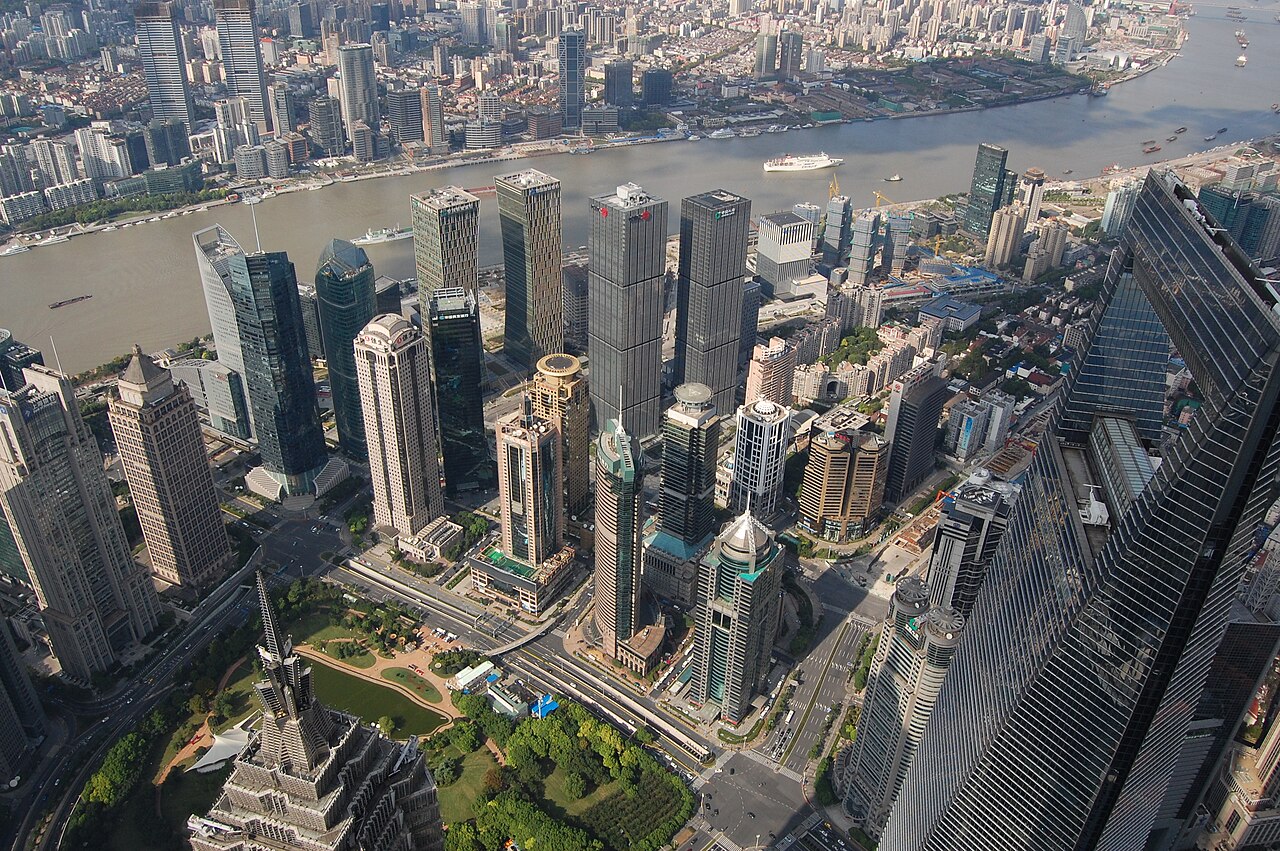
Situated near the Jin Mao Tower and the Shanghai World Financial Center, Shanghai Tower completes a trio of skyline landmarks in Lujiazui and symbolizes Shanghai's economic role. It is commonly described in sources as the tallest building in China and ranks among the tallest globally by architectural height. Its combination of scale, mixed uses and engineered façade make it a frequent case study in contemporary high-rise design and urban development.
- Height: 632 m; 128 storeys.
- Primary uses: offices, hotel, retail, observation.
- Notable feature: twisting form and double-skin façade.
Related articles
Author
AlegsaOnline.com Shanghai Tower Leandro Alegsa
URL: https://en.alegsaonline.com/art/89457
Sources
- x-weibo.net : "Official Weibo Blog (use Google Translate and see status update dated 2013-11-29 14:35:44)"
- wsj.com : "Shanghai Tower Developer Casts a Wide Net"
- skyscrapercenter.com : "Shanghai Tower – The Skyscraper Center"
- reuters.com : "Shanghai defies slump with tallest building plan"
- gensler.com : "Shanghai Tower News Release"
- ft.com : "Is China's Shanghai Tower the world's greenest super skyscraper?"
- latimes.com : "Shanghai Tower nears completion"
- luxist.com : "Shanghai Tower Breaks Ground"
- difangzhi.org : ""上海中心"多数楼层有望年内逐步投用,"Shanghai Center""
- inhabitat.com : "The world's fastest elevator"
- cnn.com : "CNN: China unveils world's fastest elevator"
- economist.com : "Tall towers: Signs in the sky"
- theguardian.com : Roxburgh, Helen. Inside Shanghai Tower, The Guardian, 23 August 2016
- travelchinaguide.com : Shanghai Tower Travel China Guide (January 2017)