
Selby Abbey
Selby Abbey is a medieval former Benedictine monastery and active Anglican parish church in Selby, North Yorkshire, noted for its Norman and Gothic architecture, long history, and role in local community life.
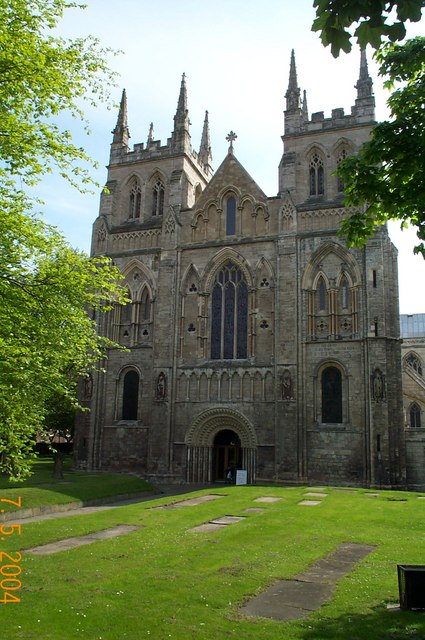
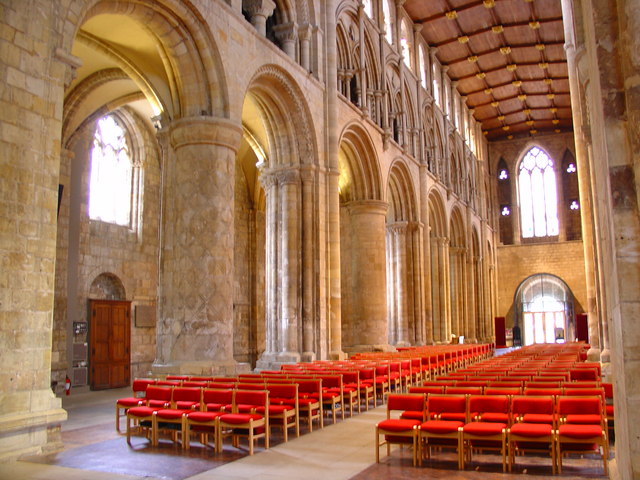
Selby Abbey is a large medieval church located in the town of Selby, in North Yorkshire. Originally founded as a Benedictine house in the years after the Norman Conquest, it survives today as the parish church of the town and a historic landmark. The building combines architectural elements from the Romanesque (Norman) period through later Gothic additions, reflecting centuries of change.
Image gallery
9 Images




Architecture and features
The abbey shows a mixture of styles. Its early masonry and round-arched forms date from the Norman phase, while pointed arches, taller windows and decorative tracery mark Gothic rebuilding and embellishment. Key components of the plan include a nave with aisles, transepts, a choir, and a central tower. Interior details of interest often noted by visitors are carved capitals, medieval tombs and later Victorian fittings; an organ and a ring of bells serve liturgical and musical functions.
History and development
Founded as a Benedictine monastery in the late 11th century, the community that built and maintained the abbey attracted noble patronage, including from the de Lacy family. Like many monastic houses it was affected by the Dissolution of the Monasteries in the 16th century and thereafter became the town’s parish church. The fabric of the building has been repaired and restored at several points, including substantial work following damage in the modern era.
Uses and significance
As an active parish church the abbey hosts regular worship, seasonal festivals and life-cycle rites. It also functions as a cultural venue for concerts, talks and civic events, and as a destination for visitors interested in medieval architecture and local history. Educational and community programmes are often run in association with the church.
Notable facts and visitors' notes
- The site illustrates the transition from Norman to Gothic building styles and retains medieval fabric alongside later interventions.
- It illustrates how former monastic churches were reused after the Reformation and remain central to town life.
- Visitors are usually welcome; local guides and leaflets provide more detail about the abbey’s monuments and past.
Related articles
Author
AlegsaOnline.com Selby Abbey Leandro Alegsa
URL: https://en.alegsaonline.com/art/88626