
Shea Stadium (William A. Shea Municipal Stadium)
Shea Stadium was the New York Mets' home ballpark in Queens from 1964–2008. Located in Flushing Meadows–Corona Park, it hosted major baseball, notable playoff runs, the Yankees temporarily, concerts and other large events.
Overview
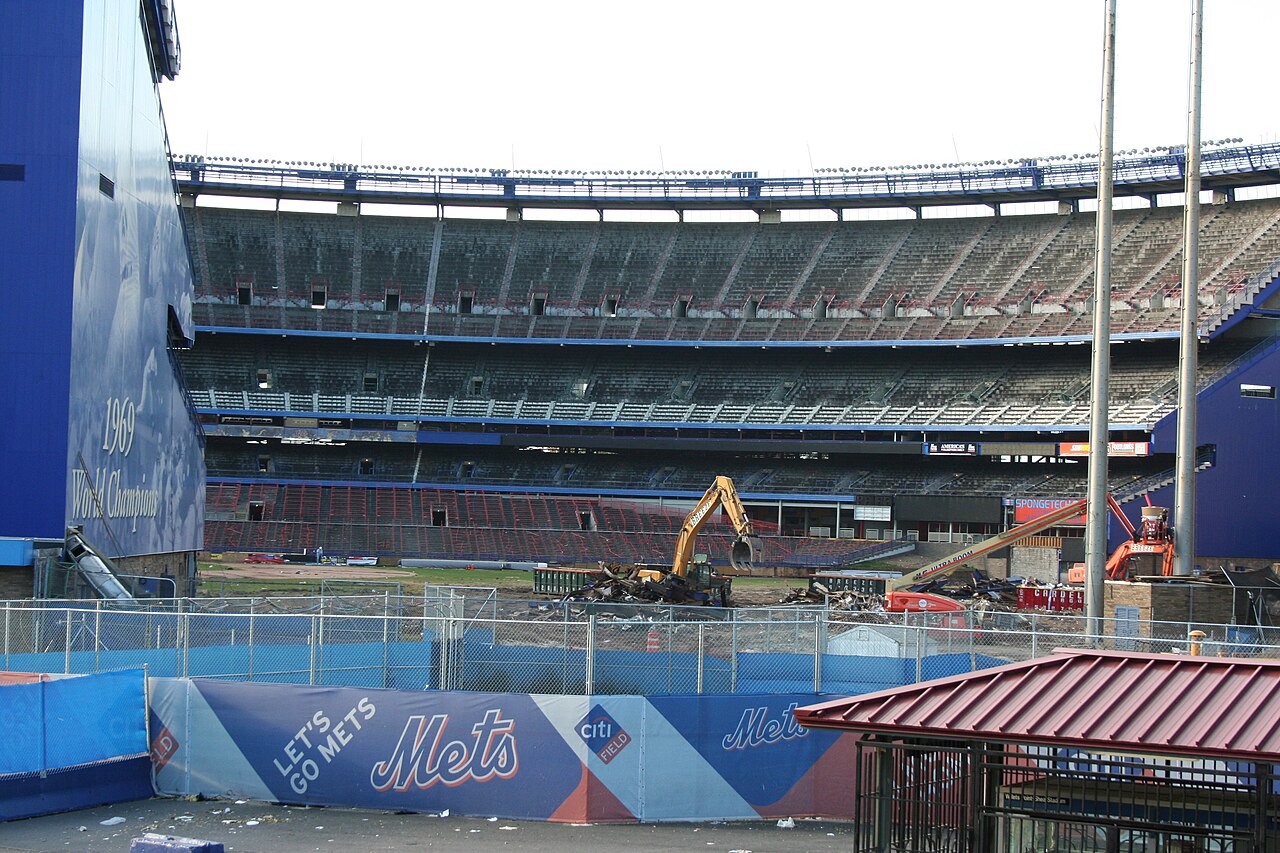
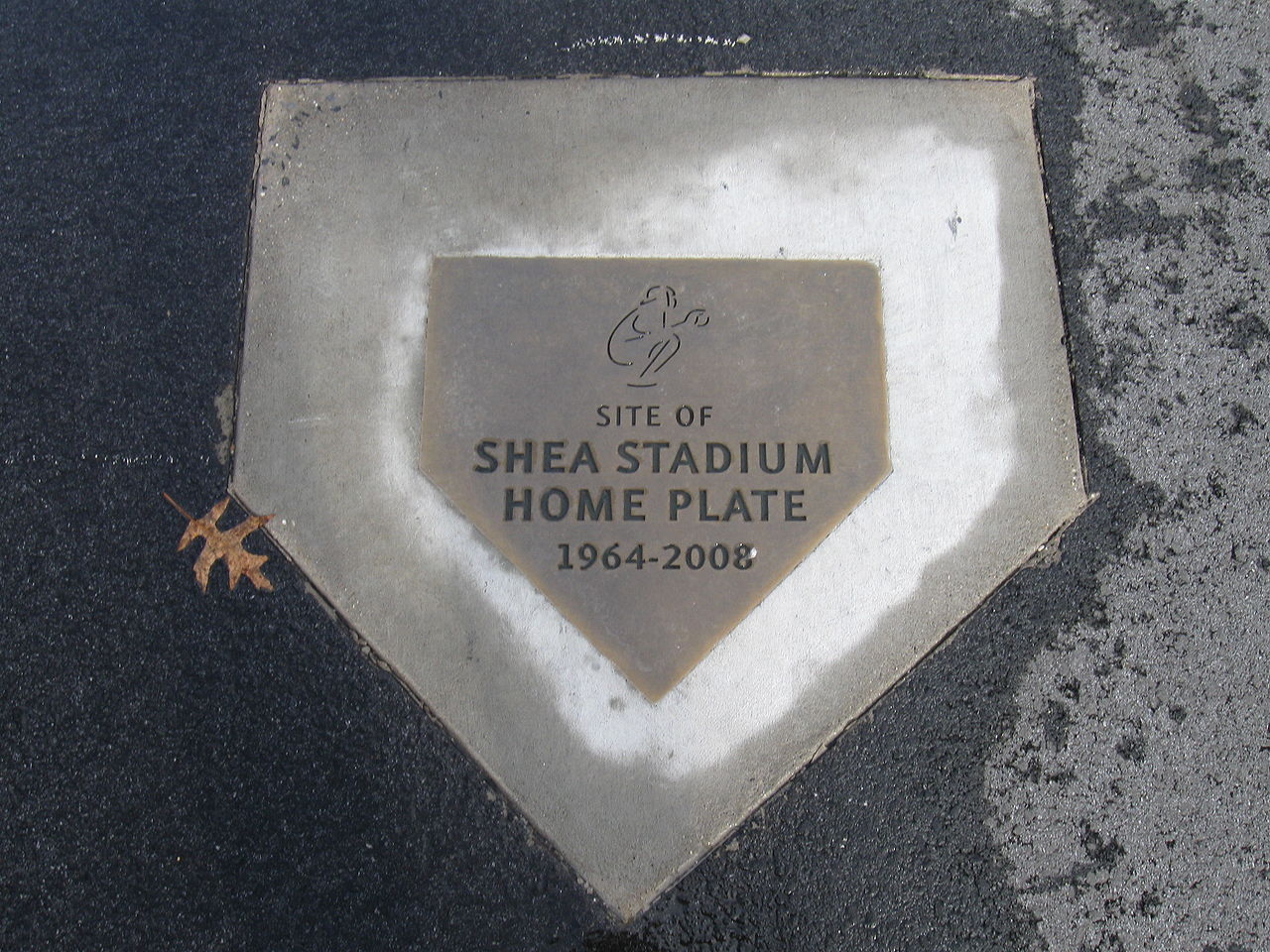
William A. Shea Municipal Stadium, commonly called Shea Stadium, was a well‑known venue in the New York City borough of Queens. Opened in 1964, it served as the home of the New York Mets (Mets) for more than four decades and was one of the city’s principal sites for professional baseball and large public gatherings. Shea stood near the site of the mid‑20th century World's Fair in Flushing Meadows–Corona Park and became a local landmark until its demolition in stages from late 2008 into early 2009.
Image gallery
10 Images





Design and characteristics
The stadium reflected the multiuse ballparks of its era: a bowl of concrete and steel with expansive seating, clear sightlines to the field and the capacity to host very large crowds. Its scale and layout emphasized baseball but allowed for other sporting events and concerts. Over the years, cosmetic updates and electronic scoreboards were added, but the basic mid‑century municipal design remained prominent until the end of its life.
History and development
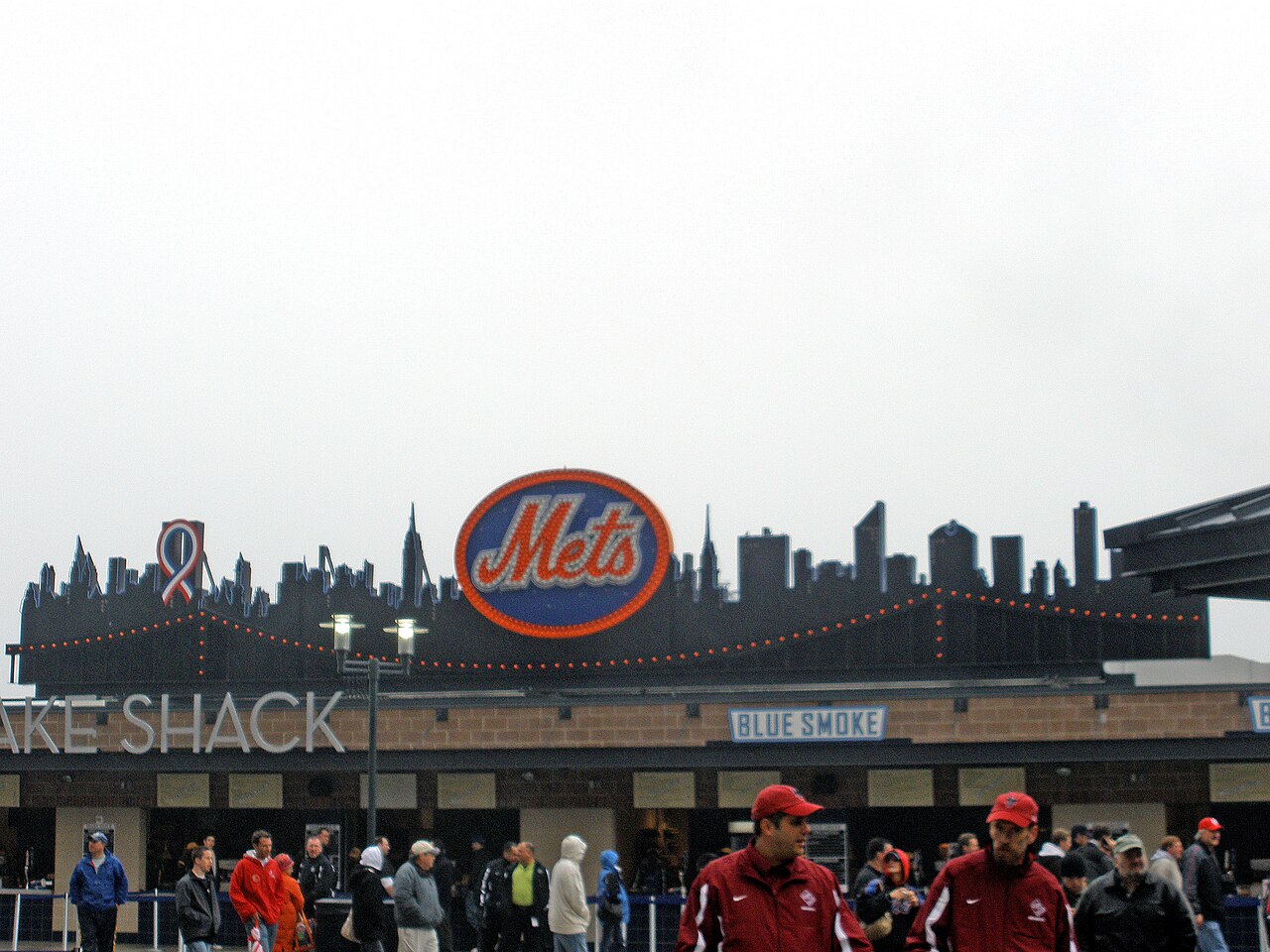
Shea was named for William A. Shea, a lawyer and baseball organizer credited with helping to bring National League baseball back to New York. It opened for the 1964 season and immediately became the Mets’ permanent home. For two seasons, 1974 and 1975, the stadium also hosted the New York Yankees (Yankees) while their own ballpark underwent renovation, reflecting Shea’s role as a citywide resource. The Mets played at Shea through the 2008 season before moving to the adjacent Citi Field (Citi Field). The stadium was dismantled between October 2008 and February 2009.
Uses, events and notable moments
Beyond routine regular‑season play, Shea staged postseason games during the Mets’ championship eras, including the 1969 and 1986 seasons when the team captured World Series titles. The venue also hosted a wide array of concerts and civic events, drawing national and international performers and large audiences. Its flexibility allowed it to accommodate purposes beyond baseball, making it a focal point for community and cultural activity in Queens.
Legacy and distinctions
Shea Stadium is remembered for its place in New York sports history and for creating generational memories among fans. After demolition the site and surrounding precinct were reconfigured as part of the move to Citi Field and broader park improvements. The stadium’s temporary role while the Yankee Stadium was renovated and its long tenure as the Mets’ home illustrate how municipal ballparks once served multiple teams and purposes. Today its memory is preserved in photographs, oral histories and occasional commemorations at the new ballpark.
Further reading and resources
- Major league baseball context and history of stadium development
- Accounts of the Mets’ notable seasons and playoff games played at Shea
- Reminiscences and retrospectives about concerts and civic events hosted at the site
Related articles
Author
AlegsaOnline.com Shea Stadium (William A. Shea Municipal Stadium) Leandro Alegsa
URL: https://en.alegsaonline.com/art/89566
Sources
- newyork.mets.mlb.com : The Official Site of The New York Mets: Ballpark: Citi Field Side-by-Side Comparison