
Shōsōin: the Nara treasure repository at Tōdai-ji
Shōsōin is the historic treasure repository beside Tōdai-ji in Nara, preserving an outstanding collection of Nara-period artifacts and exemplifying traditional azekura log-cabinet storehouse architecture.
Shōsōin is the imperial repository located within the Tōdai-ji temple complex in Nara. Situated near the hall that houses the Great Buddha, it preserves a remarkably wide range of objects associated with the Nara period (8th century). The building is commonly described as a historic treasure house and is an important surviving example of early Japanese storehouse architecture. Its long continued use and documented holdings make it central to the study of early museum practice and cultural preservation in Japan.
Image gallery
5 Images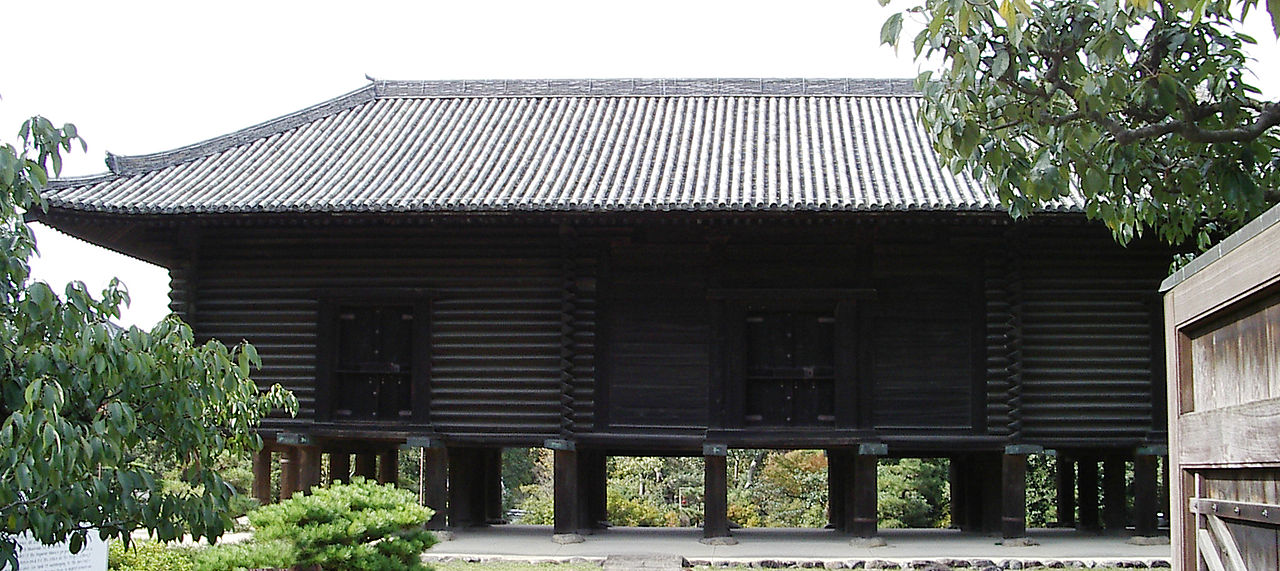


Architecture and structure
The repository is built in the traditional azekura-zukuri (log-cabinet) style: a raised, wood-framed structure formed from interlocking triangular timbers. This construction promotes natural ventilation and dryness, conditions favourable to long-term preservation of organic materials. The building’s fabric and carpentry techniques are studied as exemplary evidence of historic Japanese woodworking and preventive conservation methods.
Collection and contents
The Shōsōin collection comprises diverse materials, many dated to the Nara period, and several that reflect contacts across East Asia and along Silk Road trade routes. Representative categories include:
- textiles and embroidered cloths
- musical instruments, ritual implements and lacquerware
- metalwork, ceramics and lacquered objects
- written documents, administrative records and ledger books
The preservation of organic items such as silk and wood, alongside metal and paper, is of particular importance to historians of technology, religion and international exchange.
History, management and access
Originally established in the Nara period to safeguard objects connected with the imperial household and the temple, the repository’s holdings have long been inventoried and conserved with great care. The collection is managed under strict conservation regimes: the storehouse itself is not generally open for unrestricted public access and objects are rarely displayed in situ. Selected items are made available through periodic museum exhibitions and scholarly publications, and reproductions or high-quality images are often used for public display.
Significance and research
Shōsōin is valued both for the intrinsic quality of its objects and for what those objects reveal about craftsmanship, religious practice and international exchange in early Japan. It forms part of the ensemble of historic monuments in Nara recognised for outstanding cultural significance. Ongoing research into its inventories, building techniques and conservation approaches continues to influence museum practice and the care of fragile cultural property worldwide.
Related articles
Author
AlegsaOnline.com Shōsōin: the Nara treasure repository at Tōdai-ji Leandro Alegsa
URL: https://en.alegsaonline.com/art/90013