
Barack Obama 2008 presidential campaign
Overview of Barack Obama's 2008 presidential campaign: announcement, primary campaign, nomination, election, campaign organization, historic significance, and legacy.
Overview
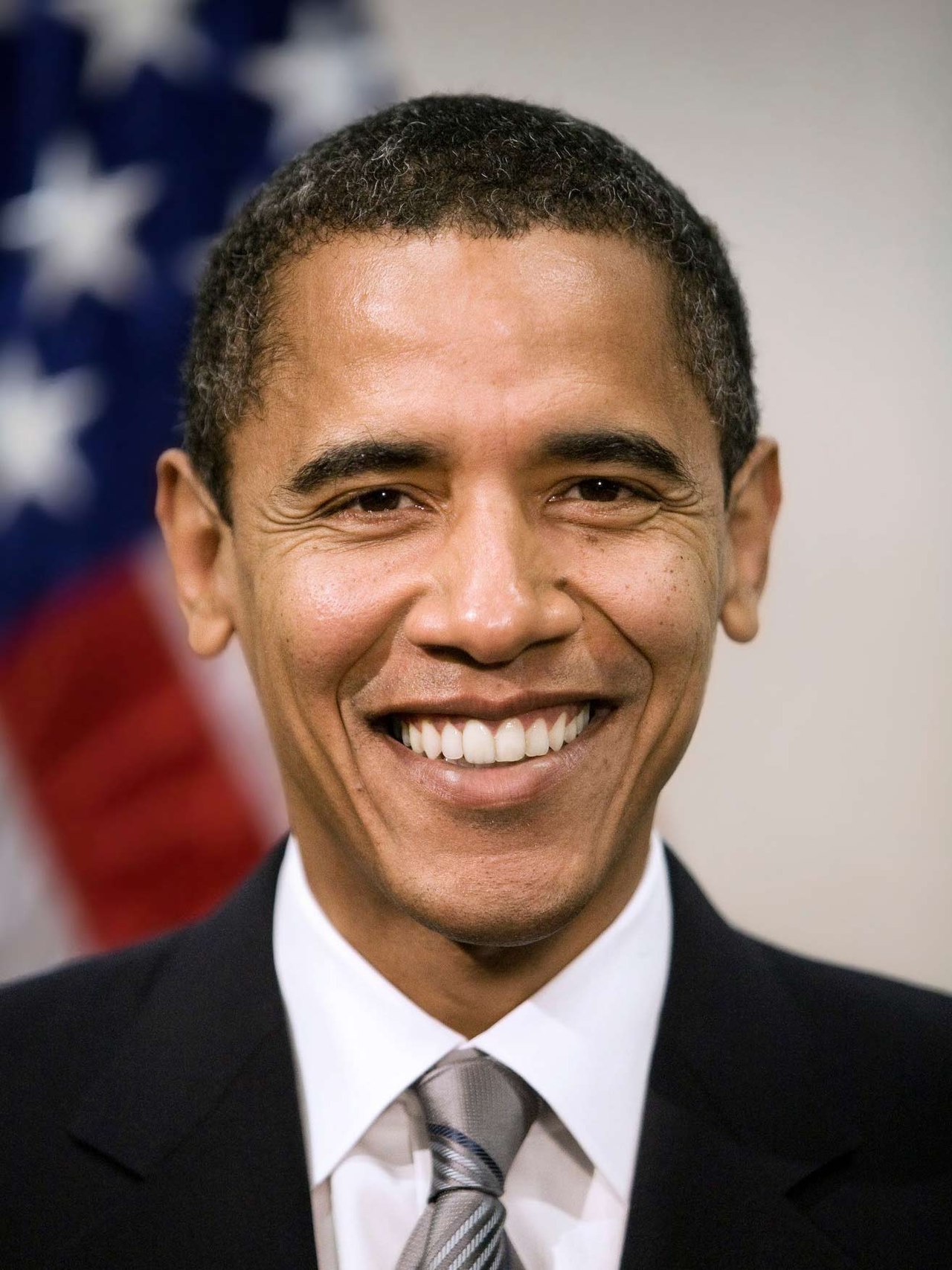
The 2008 presidential campaign of Barack Obama, then a junior United States senator from Illinois and a rising national figure, began publicly on February 10, 2007. Obama announced his candidacy in Springfield, Illinois, urging a message of change and unity in a speech that reached a wide audience. At the time he was serving in the Senate (Senate), and his bid quickly attracted attention for its rapid accumulation of small-dollar donations and volunteer enthusiasm.
Image gallery
10 Images




Primary campaign and nomination
Through a competitive primary season, Obama built a coalition of younger voters, African Americans, independents, and progressive whites. He combined traditional organizing with an innovative online fundraising and mobilization effort. On August 27, 2008, he was officially declared the Democratic Party nominee for president, becoming the first African American to be nominated for the presidency by a major U.S. political party. The campaign announced a vice-presidential selection on August 23, 2008: Senator Joe Biden of Delaware was chosen to join the ticket.
Election and certification
On November 4, 2008, Obama won the general election and became President-elect Barack Obama, marking the first time an African American had been elected to the nation’s highest office. The formal constitutional steps were completed when the Electoral College met on December 15, 2008 to cast its votes, and when the Joint Session of the United States Congress certified those votes in early January 2009. Following that process, Joseph Biden was declared the elected Vice President Joseph Biden.
Historical context and notable facts
Obama’s election contained several historically notable elements. He was the first African American nominee and winner on a major-party ticket, and only the third person to be elected president directly from the Senate while in office, joining Warren G. Harding (Harding) and John F. Kennedy (Kennedy). The campaign’s success reshaped expectations about digital organizing, grassroots fundraising, and the role of new media in modern campaigns.
Campaign organization and strategy
The campaign was headquartered in Chicago and emphasized a decentralized field operation supported by a strong national communications effort. Key features included:
- Extensive grassroots volunteer networks and local field offices in battleground states.
- Innovative use of online fundraising platforms and frequent small donations.
- Targeted voter registration and turnout efforts among young and minority voters.
- High-profile speeches and a disciplined message centered on "hope" and "change."
Legacy and importance
Beyond winning an election, the 2008 campaign had lasting effects on American politics: it normalized large-scale small-donor fundraising, influenced digital outreach practices, and demonstrated the political power of a broad multiracial coalition. The campaign’s organization, rhetoric, and electoral map continue to be studied by political strategists, historians, and civic activists interested in how modern campaigns mobilize voters and communicate at scale.
For further details about specific events, speeches, and state-by-state results, consult official campaign archives and reputable histories of the 2008 election cycle.
Related material on the presidency • Announcement location and context • Candidate profile
Tags
Related articles
Author
AlegsaOnline.com Barack Obama 2008 presidential campaign Leandro Alegsa
URL: https://en.alegsaonline.com/art/8844
Sources
- news.bbc.co.uk : Obama Launches Presidential Bid
- brightcove.tv : Video
- nytimes.com : "Obama Wins Nomination; Biden and Bill Clinton Rally Party - NYTimes.com" · web.archive.org
- nytimes.com : Obama Clinches Nomination; First Black Candidate to Lead a Major Party Ticket
- barackobama.com : "Joe Biden!"
- cnn.com : "Barack Obama wins presidential election" · web.archive.org
- nytimes.com : "Obama Wins Election" · web.archive.org
- nytimes.com : "Obama Wins Election" · web.archive.org
- msnbc.msn.com : "Congress meets to count electoral votes" · web.archive.org