
Warren G. Harding: 29th President of the United States
Warren G. Harding (1865–1923) was a Republican newspaperman and politician who served as the 29th U.S. president (1921–1923). His administration pursued pro‑business policies and was later marred by scandals.
Warren Gamaliel Harding (November 2, 1865 – August 2, 1923) served as the 29th President of the United States. He took office in 1921 after a landslide election and led a Republican administration that emphasized a retreat from wartime controls and a quick return to peacetime normalcy. Before the presidency Harding built a public profile as a newspaperman and as a state and national politician: he owned and published newspapers, served as assistant governor of Ohio, and later represented the state in the U.S. Senate (Senator).
Image gallery
10 Images


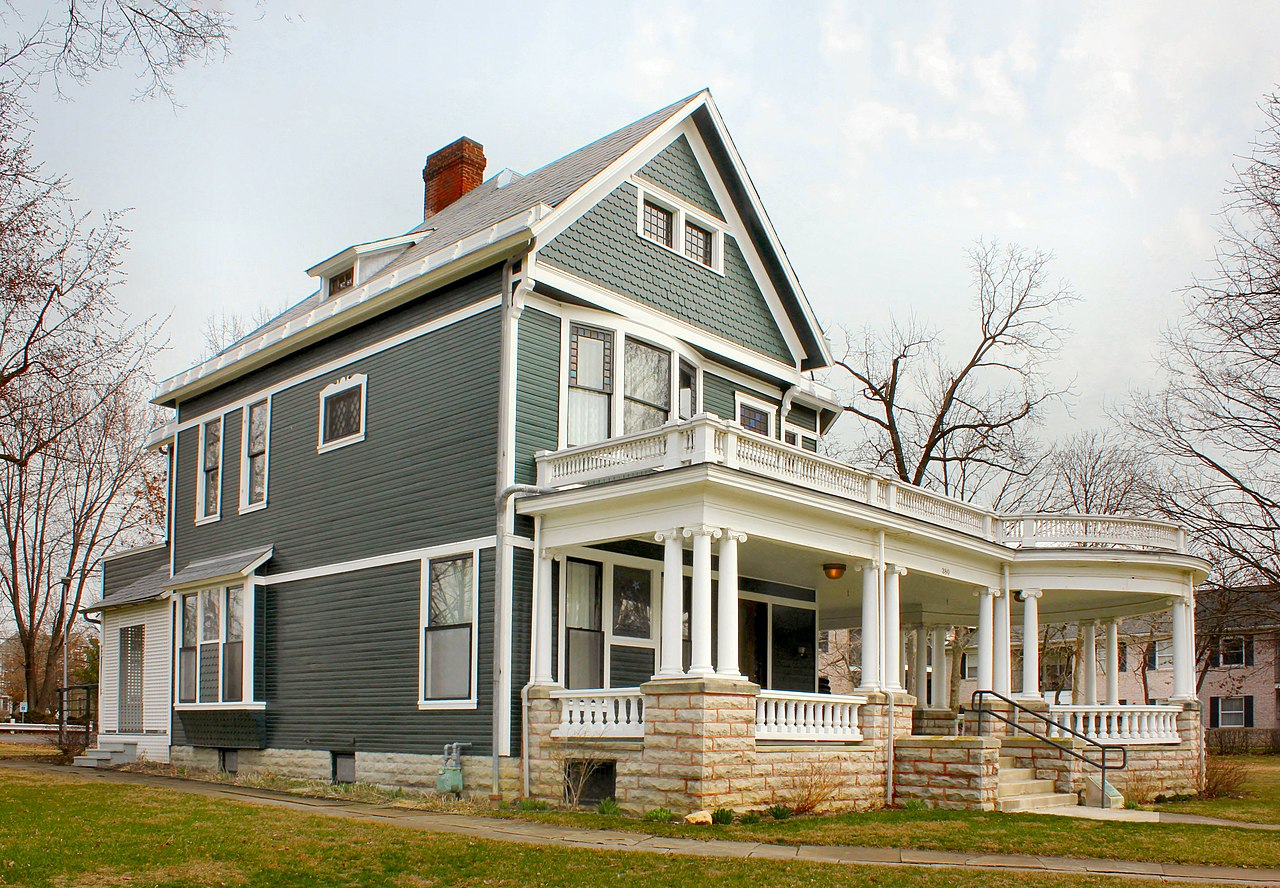


Early career and rise
Harding began his adult life in journalism, managing and publishing influential local papers that helped him develop ties in business and politics. His experience in the press and his reputation as a congenial campaigner aided his rise in Ohio Republican politics. Those roots in journalism and local government informed his public persona and campaign style.
Presidency: goals and actions
Campaigning on a theme of "return to normalcy," Harding presided over an administration that favored lower taxes, reduced regulation, and pro‑business policies. His administration supported tariff legislation and immigration limits, convened international talks to limit naval armaments, and appointed senior figures to the federal bench and executive branch. Supporters point to diplomatic initiatives and an emphasis on economic stability as important features of his term. For a concise overview of his time in office see the entry on his presidency.
Major measures and appointments
- Domestic policy: pro‑business orientation, tax and tariff actions.
- International policy: sponsored the Washington naval discussions and promoted international agreements to reduce postwar tensions.
- Judicial and administrative appointments: named several notable judges and officials to key posts.
Scandals and death in office
Harding's administration was later tarnished by corruption scandals, the most famous being the Teapot Dome affair, which involved members of his cabinet. Investigations after his death uncovered misuse of public office by some aides and appointees. Harding himself died suddenly in 1923 while on a national speaking tour; he was succeeded by his vice president. Historians debate how much personal blame should be assigned to Harding versus his subordinates and the political culture of the era.
Legacy and historical view
Harding's reputation has been mixed. Contemporary admirers praised his affability and his efforts to stabilize a nation weary of war and upheaval, while subsequent disclosures of corruption have led many historians to rank his presidency unfavorably. In recent decades some scholars have emphasized his policy achievements and diplomatic initiatives alongside acknowledgement of the serious failings of parts of his administration. For more information on his party affiliation and political context, see resources on the Republican Party and his career as a newspaperman and public official (Senator). Additional biographical and archival materials are available through selected reference collections (state and national records).
Questions and answers
Q: Who was Warren G. Harding?
A: Warren G. Harding was the 29th President of the United States from 1921 until his death in 1923.
Q: What positions did Harding hold before becoming president?
A: Before becoming president, Harding was a senator and the assistant governor of Ohio.
Q: What was Harding's profession before entering government?
A: Before he was in government, Harding was an important newspaper manager.
Q: Which political party did Harding belong to?
A: Harding was a Republican.
Q: When was Warren G. Harding born?
A: Warren G. Harding was born on November 2, 1865.
Q: When did Warren G. Harding pass away?
A: Warren G. Harding passed away on August 2, 1923.
Q: How long did Warren G. Harding serve as President of the United States?
A: Warren G. Harding served as President of the United States from 1921 until his death in 1923, which was a total of two years.
Author
AlegsaOnline.com Warren G. Harding: 29th President of the United States Leandro Alegsa
URL: https://en.alegsaonline.com/art/147462