
Second Punic War (218–201 BC): Hannibal, Rome, and the struggle for Mediterranean dominance
Major war between Rome and Carthage (218–201 BC) featuring Hannibal’s invasion of Italy, decisive battles like Cannae and Zama, and long-term consequences for Carthaginian power.
The Second Punic War (218–201 BC) was a large-scale conflict between the Roman Republic and the city-state of Carthage that reshaped power in the western Mediterranean. It is best known for the Carthaginian general Hannibal and his daring invasion of Italy, which included an overland crossing of the Alps with cavalry and war elephants. The war combined dramatic field battles, long sieges, strategic maneuvering and shifting alliances among Italian and Mediterranean states.
Image gallery
10 Images


Major commanders and forces
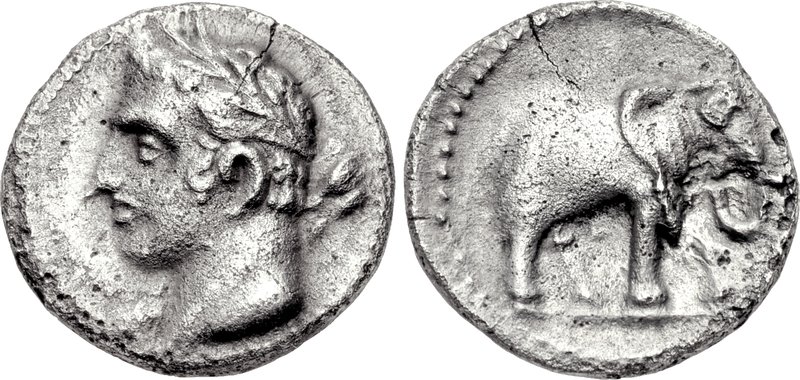
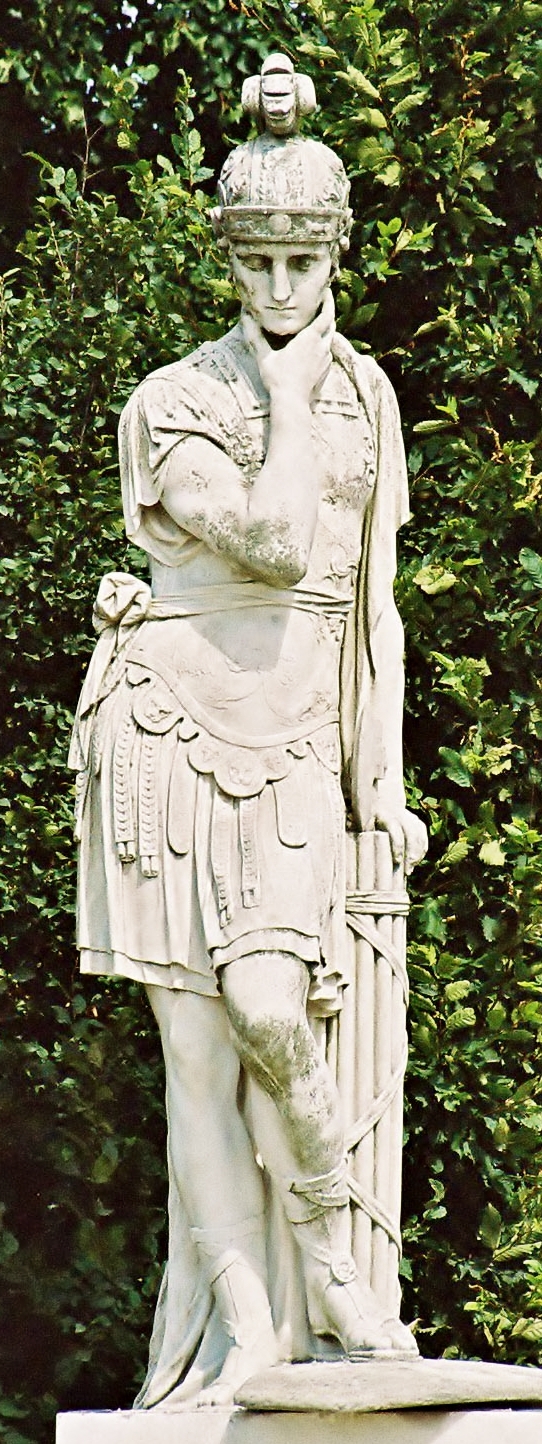
On the Carthaginian side the principal leader in Italy was Hannibal, a commander celebrated for tactical ingenuity and the ability to assemble multinational armies. Rome’s military effort involved many consuls and generals over the two decades, and later in the war a young Roman commander, Scipio Africanus, emerged as the strategist who shifted the campaign back to North Africa. Both sides relied heavily on allies, mercenaries, and regional contingents drawn from Iberia, Gaul, Numidia and elsewhere.
Campaigns and decisive battles
Hannibal first won important engagements in northern Italy: the Battle of the Trebia (218 BC) and an ambush at Lake Trasimene (217 BC) demonstrated his mastery of terrain and surprise. His most famous victory came at the Battle of Cannae (216 BC), where he encircled and destroyed a much larger Roman army in a tactical masterpiece that became a model of envelopment.
- Trebia: early Carthaginian success in Italy.
- Lake Trasimene: a major ambush that highlighted Roman vulnerability.
- Cannae: catastrophic defeat for Rome and the high point of Hannibal’s campaign.
- Zama: the decisive battle in North Africa where Roman forces under Scipio Africanus defeated Carthage; see Battle of Zama.
Roman strategy and the tide of war
After Cannae Rome largely abandoned direct confrontations with Hannibal’s field army and implemented a cautious policy of attrition and containment advocated by the dictator Quintus Fabius Maximus, later called the Fabian strategy. Rome concentrated on cutting Carthaginian support networks, securing loyal Italian allies and opening new fronts, notably campaigns in Iberia and eventually an invasion of North Africa. Rome’s diplomatic resilience and capacity to raise fresh armies gradually eroded Carthage’s ability to sustain the war.
Outcome and consequences
Hannibal remained in Italy for many years but could not break Rome’s political system. Eventually Carthaginian priorities compelled Hannibal to return home to defend Carthage. There he faced the Roman army led by Scipio, who had neutralized Carthaginian strength abroad; at the Battle of Zama the Romans secured a decisive victory. The resulting peace limited Carthage’s territories, imposed heavy indemnities and curtailed Carthaginian military power. Rome emerged as the dominant power in the western Mediterranean for centuries and gained strategic advantages that shaped later expansion.
Historical significance and notable aspects
The Second Punic War is important for military history, diplomacy and statecraft. It illustrates the impact of bold operational maneuvers (such as Hannibal’s Alpine crossing), the influence of logistics and attrition on long campaigns, and the role of alliances in sustaining or undermining war efforts. Tactically, the double envelopment at Cannae has been studied extensively; politically, Rome’s recovery after catastrophic defeats shows institutional resilience. For further overviews and battlefield studies see sources on Trebia, Cannae, the Fabian strategy and biographies of Hannibal and Scipio Africanus.
Related articles
Author
AlegsaOnline.com Second Punic War (218–201 BC): Hannibal, Rome, and the struggle for Mediterranean dominance Leandro Alegsa
URL: https://en.alegsaonline.com/art/88439