
Scipio Africanus (Publius Cornelius Scipio)
Roman general and statesman who defeated Hannibal in the Second Punic War; celebrated for victories in Spain and at Zama and for shaping Rome's rise to Mediterranean dominance.
Publius Cornelius Scipio Africanus was a leading Roman general and statesman of the middle Republic, celebrated for his role in the Second Punic War. Born into the patrician Cornelii, he rose to prominence through campaigns in Spain and North Africa and is best known for defeating the Carthaginian commander Hannibal, a victory that helped secure Rome's ascendancy over Carthage.
Image gallery
10 Images




Overview of career
Scipio combined military skill with political ambition. As a politician and commander within the institutions of the Roman Republic, he led Roman forces beyond the Italian peninsula, winning key engagements in Iberia and later conducting a decisive campaign in Africa. For his success at the decisive clash he received the agnomen "Africanus," a formal honorific marking victory in Africa.
Military achievements and tactics
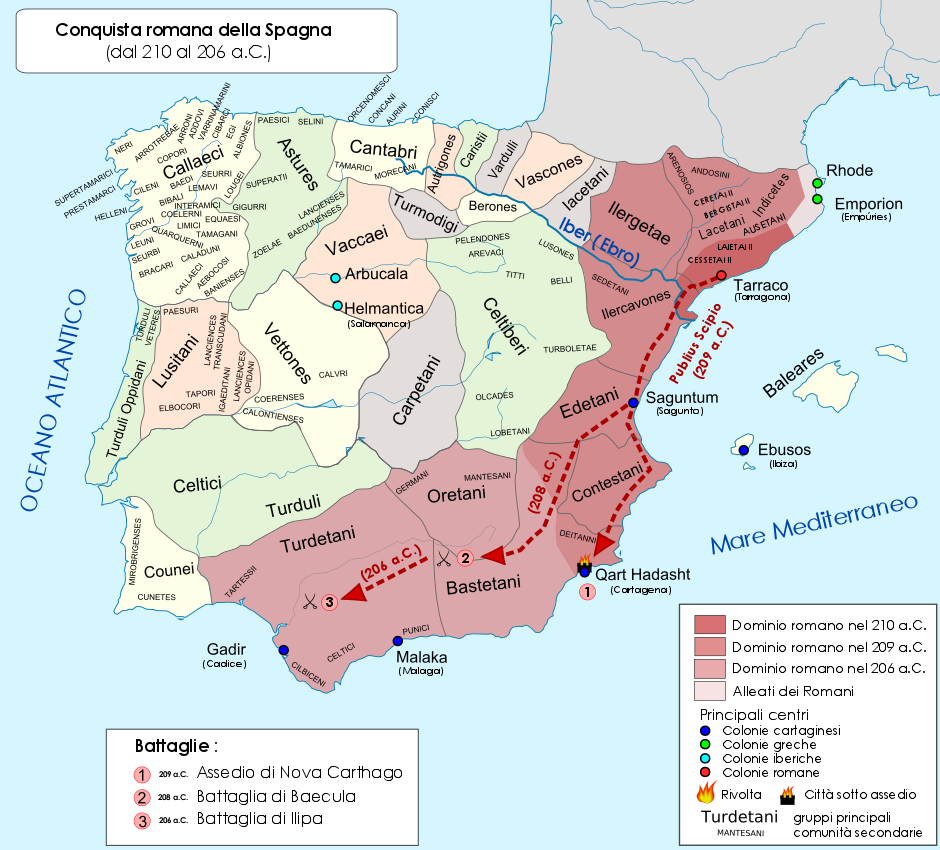
Scipio's leadership emphasized mobility, use of allied cavalry, and adaptation to enemy tactics. In Spain he disrupted Carthaginian control by capturing coastal strongholds and isolating rival commanders. In North Africa he coordinated Roman infantry with allied cavalry contingents to neutralize threats such as war elephants and to turn the strategic balance against Carthage. Ancient accounts credit his ability to combine conventional Roman discipline with flexible battlefield dispositions.
Notable battles
- Battle of Zama — the climactic engagement in North Africa where Roman and allied cavalry played a decisive role.
- Campaigns in Iberia — operations that removed Carthaginian influence from the peninsula and opened the way for Roman dominance there.
- Other confrontations with Hannibal — a long-running strategic contest that ended with Rome forcing Carthage to seek terms.
Political life and later years
After his military successes Scipio held high office and considerable influence in Rome, but he also encountered political opposition. Prominent conservatives criticized his conduct and accused him of accepting gifts from foreigners; the resulting disputes contributed to his gradual withdrawal from public life. Ancient reports describe a final period spent away from Rome, where he died in relative obscurity.
Legacy and historical significance
Scipio Africanus is widely regarded as one of Rome's greatest generals; his victories ended large-scale Carthaginian resistance and helped pave the way for Roman hegemony in the western Mediterranean. Historians and military writers have examined his campaigns as examples of strategic initiative, combined-arms coordination and political-military leadership. Modern interest in his life covers both his battlefield achievements and the tensions between martial glory and republican politics that marked his later years.
Author
AlegsaOnline.com Scipio Africanus (Publius Cornelius Scipio) Leandro Alegsa
URL: https://en.alegsaonline.com/art/130568