
Second War of Scottish Independence
A conflict (c.1332–1357) between competing Scottish claimants and England, sparked when Edward III repudiated the Treaty of Northampton and backed Edward Balliol against David II, reshaping Anglo-Scottish politics.
Overview
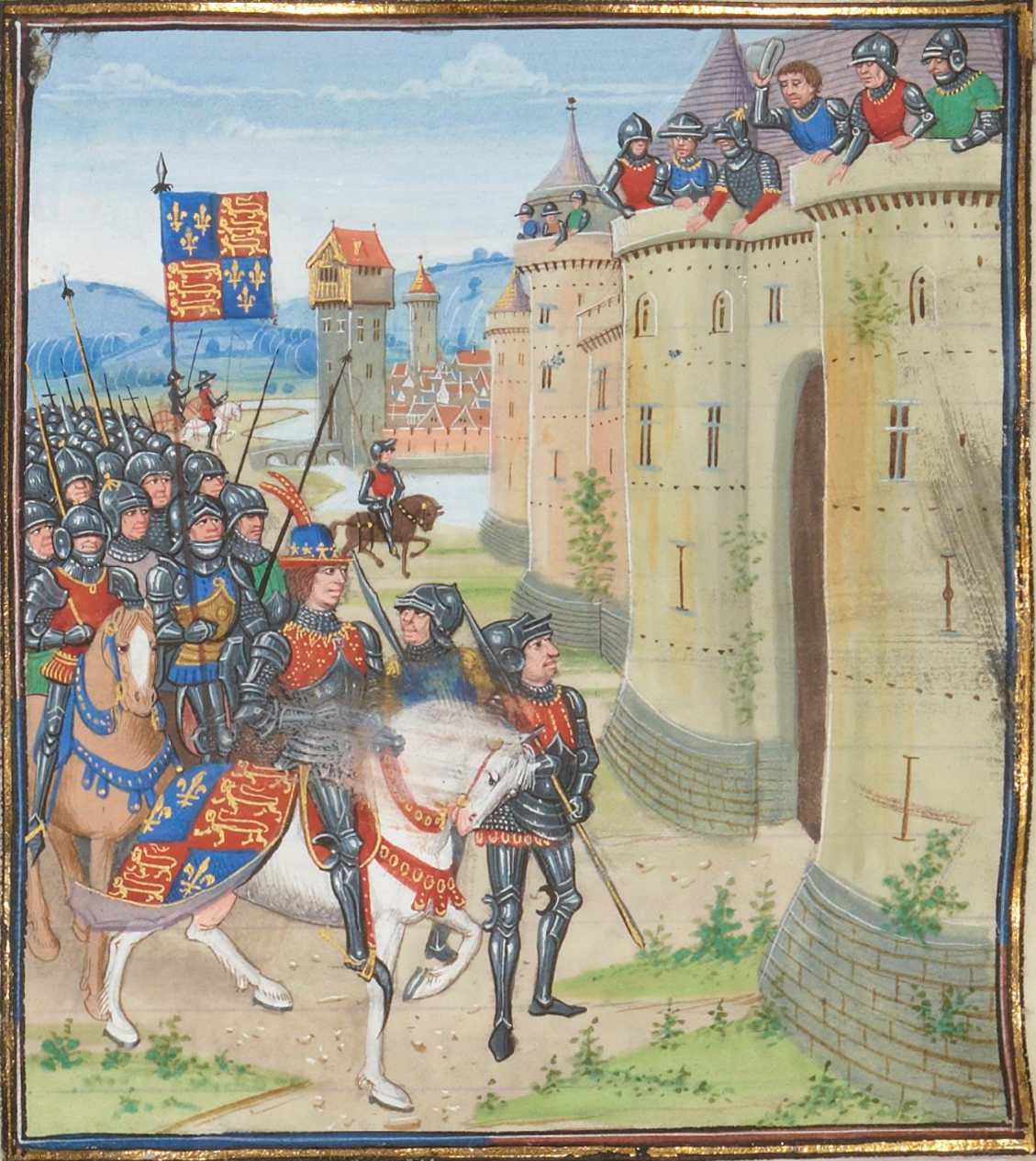
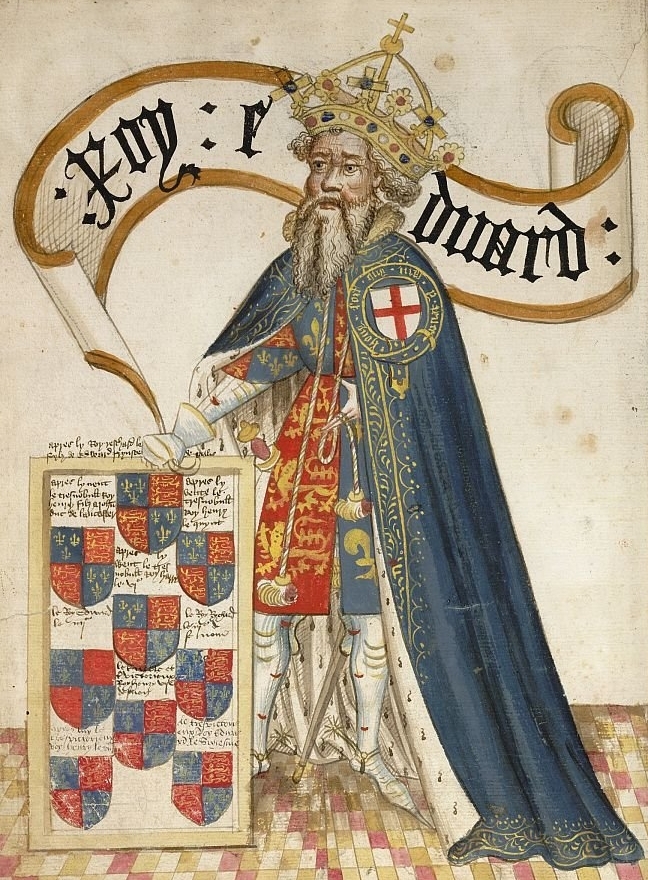
The Second War of Scottish Independence was a protracted conflict fought chiefly between forces loyal to the Bruce dynasty and English-supported rivals during the mid-14th century. It began after the English king Edward III abandoned recognition of the Treaty of Northampton, which had earlier acknowledged the rule of the Bruces. The resulting struggle pitted supporters of Robert Bruce's succession against the claim of Edward Balliol, son of John Balliol. The war included pitched battles, sieges and periods of occupation, and it formally wound down when King David II was released from English captivity in 1357.
Image gallery
10 Images






Causes and principal actors
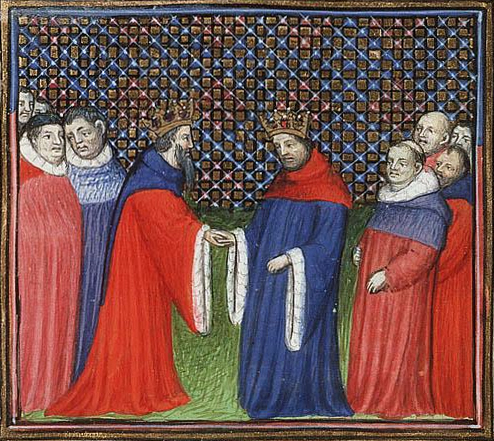
At the heart of the conflict lay competing claims to the Scottish crown and differing views of sovereignty. Edward III rejected the notion that the Bruce line had an unassailable right to rule and instead supported the Balliol claim, both to restore a pliant regime and to assert English influence. Many dispossessed nobles, known as the "Disinherited," allied with Balliol in hopes of regaining lands. Questions over the legitimacy of dynastic succession and the status of the Scottish dynasty created a political environment ripe for intervention.
Major campaigns and battles
The opening years saw rapid action: Balliol briefly took power in 1332 with support from exiles and English forces, but was soon driven out. In 1333 the English secured a decisive victory at Halidon Hill, which allowed them to place Balliol on the throne as a dependent ruler. Scottish resistance remained strong, however, and the conflict featured recurring raids, sieges and shifting control of border strongholds. A major setback for Scotland came later in the war when David II was captured at Neville's Cross in 1346 and held in England for a decade.
- Battle of Halidon Hill (1333)
- Scottish counter-operations and guerrilla resistance (1330s–1340s)
- Battle of Neville's Cross (1346) and subsequent captivity of David II
Political consequences
The war left Scotland economically and demographically strained and intensified English involvement in Scottish affairs. English occupation of key fortresses and the imposition of Balliol as a puppet king at times undermined Scottish autonomy. The long captivity and eventual ransom of David II in 1357 concluded the primary phase of hostilities, but many border disputes and tensions persisted. The conflict also fed into wider international politics: strained relations contributed to the environment from which the Hundred Years' War with France later emerged, while the Auld Alliance between Scotland and France influenced diplomatic alignments.
Legacy and notable facts
Although the Second War did not produce a decisive and lasting subjugation of Scotland, it altered military and political patterns. English use of foot archers and defensive tactics at battles like Halidon Hill would be seen again in continental conflicts. The episode demonstrated how dynastic disputes could invite foreign intervention and showed the resilience of Scottish political identity despite military setbacks. Later medieval treaties and truces would repeatedly reference the issues left unresolved in this period.
Further reading and context
The war sits between the First War of Scottish Independence and later medieval Anglo-Scottish conflicts, and it helps explain shifting alliances and institutional developments in both kingdoms. For introductions and primary-source collections consult specialist histories and archival translations that cover the reigns of Edward III, the Balliol claim, and the Bruce dynasty.
References to principal figures and documents: Edward III, Treaty of Northampton, questions of legitimacy, the Bruce dynasty, Robert Bruce, Edward Balliol, John Balliol, David II, and wider European context including the Hundred Years' War and relations with France.
Questions and answers
Q: When did the Second War of Scottish Independence start?
A: The Second War of Scottish Independence began in 1333.
Q: Why did Edward III of England start the Second War of Scottish Independence?
A: Edward III of England did not accept the 1328 Treaty of Northampton any more, under which England recognised the legitimacy of the dynasty established by Robert Bruce. Edward was determined to support the claim of Edward Balliol, the son of the former king, John Balliol, over David II, Bruce's son and heir.
Q: Who was Edward Balliol and what was his claim to the Scottish throne?
A: Edward Balliol was the son of the former king, John Balliol. He claimed the Scottish throne over David II, Bruce's son and heir.
Q: Did Edward Balliol rule Scotland before and what happened to him?
A: Yes, Edward Balliol ruled in Scotland for a short time in the autumn of 1332, but he was thrown out of the country later in the year.
Q: When did the Second War of Scottish Independence end and why?
A: The war itself lasted until 1357, when David II was released from English captivity.
Q: What other conflict was triggered by English involvement in Scotland?
A: English involvement in Scotland was also one of the factors that lead to the outbreak of the Hundred Years' War with France in 1337.
Q: Who was Robert Bruce and what was his dynasty?
A: Robert Bruce was a Scottish king who established a dynasty. England recognised the legitimacy of his dynasty under the 1328 Treaty of Northampton.
Related articles
Author
AlegsaOnline.com Second War of Scottish Independence Leandro Alegsa
URL: https://en.alegsaonline.com/art/88449