
Sea eagle (Haliaeetus): overview, appearance, behavior and conservation
Sea eagles are large fish-eating raptors of the genus Haliaeetus, commonly called ernes. This article covers their appearance, habitat, diet, life history, notable species and conservation issues.
The term "sea eagle" refers to the group of large raptors in the genus Haliaeetus, often called ernes or erns. These birds are true bird[s] of prey that are strongly associated with aquatic environments: coastlines, estuaries, rivers and large lakes. Although many sea eagles specialize on fish, they are opportunistic hunters and scavengers rather than strict piscivores.
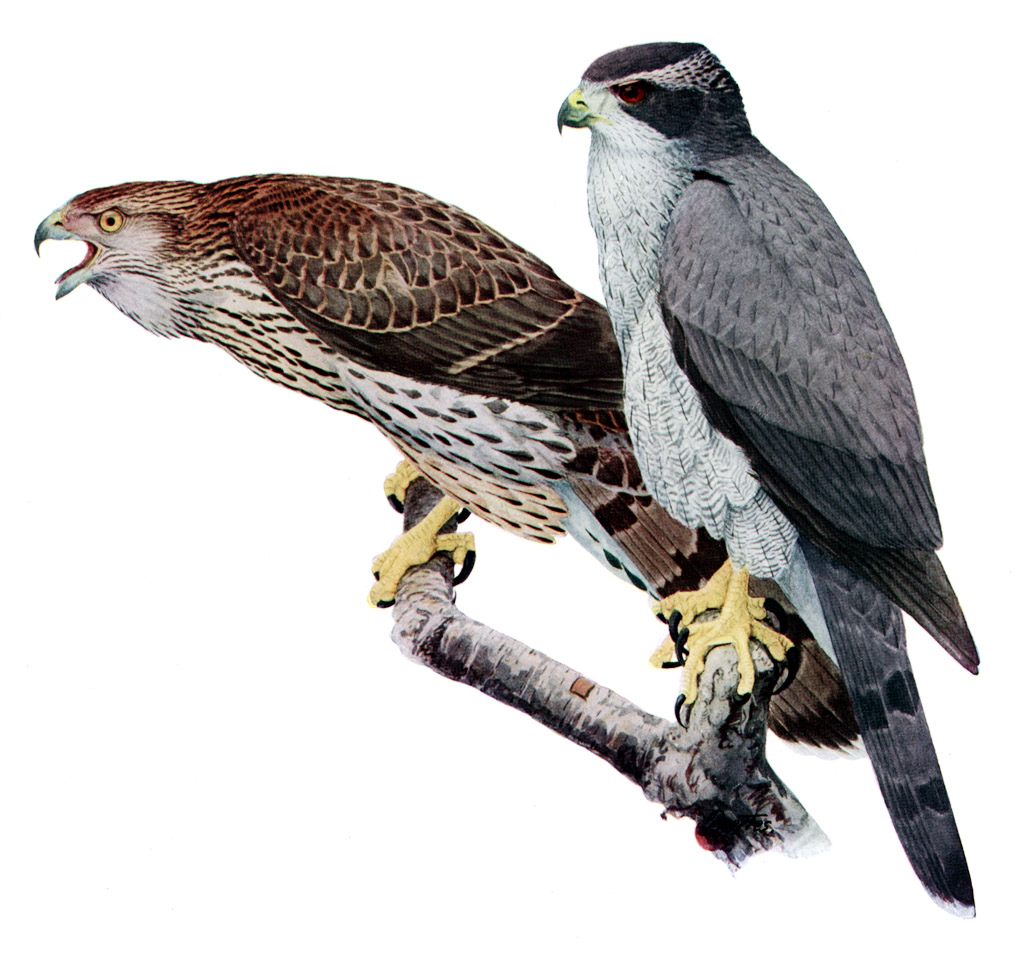
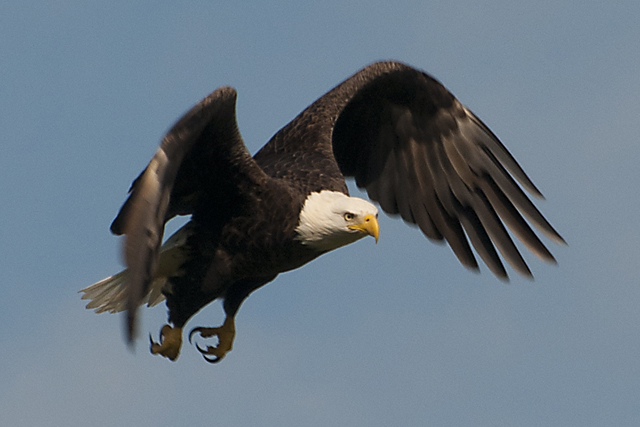
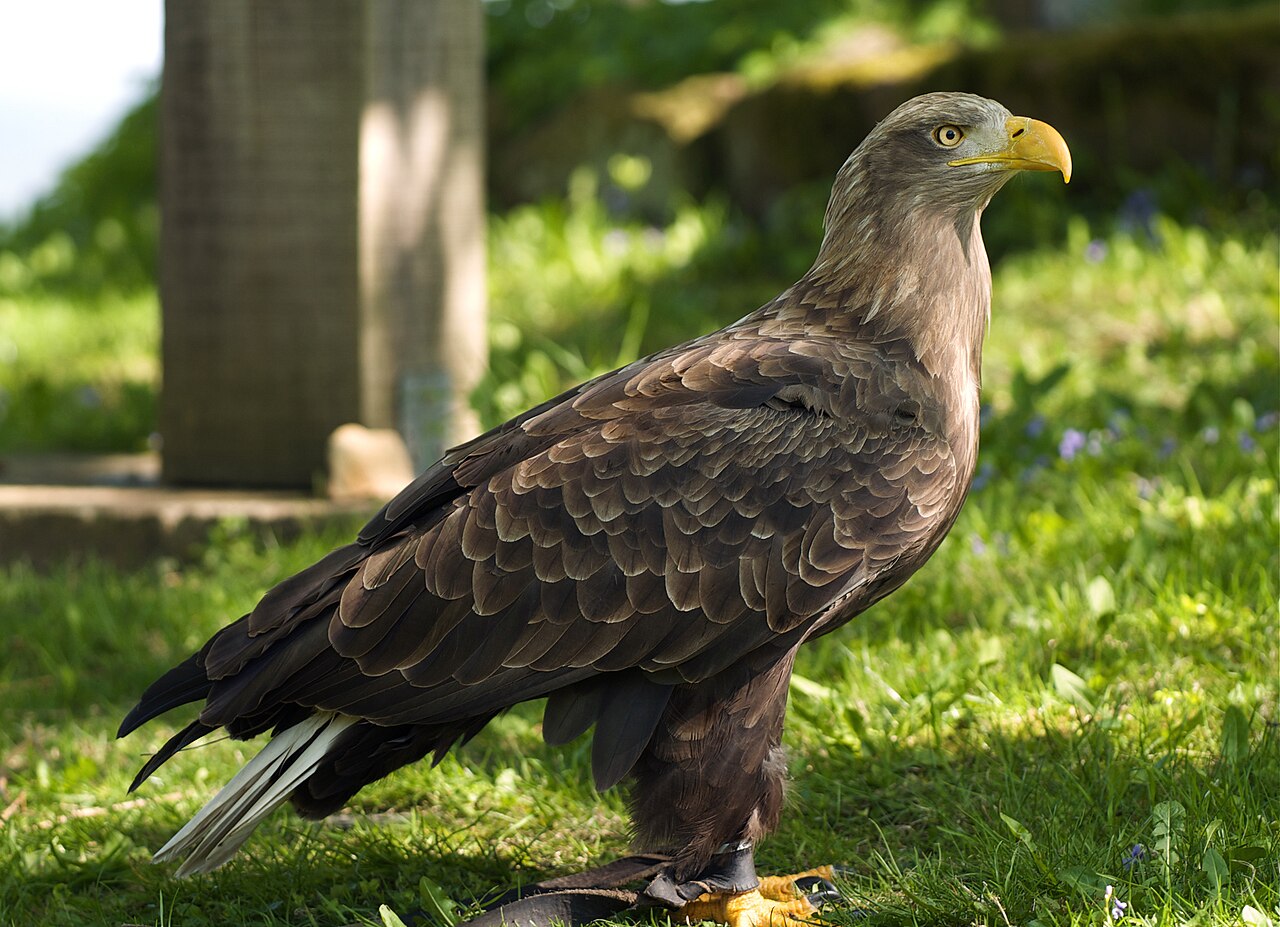
Appearance and identification. Sea eagles are robust, heavy-bodied eagles with long, broad wings, powerful feet and large hooked beaks. Size and plumage vary by species and age: many juveniles show mottled or darker feathers that become more uniform as adults. Several species, such as the bald eagle, develop distinctive contrasting head or tail colors when mature.
Distribution and habitat. Members of Haliaeetus have a wide but patchy distribution across Eurasia, Africa, Australasia and North America. They favor open water or shoreline where fish and waterbirds concentrate, and commonly nest in tall trees, on cliffs or on sea stacks close to feeding areas.
Diet and behavior. Sea eagles commonly hunt by flying low over water and snatching fish with outstretched talons, but they also take seabirds, mammals and carrion. Many species practice kleptoparasitism, stealing food from other birds, and will scavenge along coasts and riverbanks. Their flight is powerful and steady, marked by slow wingbeats and long glides.
Reproduction and lifespan. Sea eagles typically form long-term monogamous pairs. Nests are large stick structures, reused and added to year after year, sometimes reaching great size. Clutches are usually small (one to three eggs) and both parents contribute extended care; several species are long-lived in the wild when undisturbed.
Image gallery
10 Images


Notable species and conservation
Well-known members of the genus include the bald eagle (Haliaeetus leucocephalus), white-tailed or sea eagle (H. albicilla), Steller's sea eagle (H. pelagicus) and the African fish eagle (H. vocifer). Some sea eagles suffered population declines from habitat loss, persecution and pollutants such as DDT, but conservation measures and legal protection have led to marked recoveries in species like the bald eagle and parts of the white-tailed eagle's range. Other species remain of conservation concern, and ongoing efforts focus on habitat protection, reducing human disturbance and preserving fish-rich waters for their long-term survival.
- Bald eagle (North America)
- White-tailed or European sea eagle (Eurasia)
- Steller's sea eagle (northeast Asia)
- African fish eagle (sub-Saharan Africa)
- Pacific and island Haliaeetus species (various coasts)
Related articles
Author
AlegsaOnline.com Sea eagle (Haliaeetus): overview, appearance, behavior and conservation Leandro Alegsa
URL: https://en.alegsaonline.com/art/88260