
Scion xB: compact box-shaped hatchback from Toyota's Scion brand
Overview of the Scion xB: design, two distinct generations sold in the U.S., reception among owners and critics, market positioning and cultural legacy within Toyota's Scion program.
Overview
The Scion xB was a compact, five-door hatchback marketed by Toyota in North America under the Scion marque. Launched to attract younger buyers, the model became notable for its unusually boxy silhouette, practical interior packaging and a marketing approach that emphasized customization. The xB name was used specifically for the U.S. market under the Scion brand while related vehicles were sold under Toyota branding in other regions; the model played a recognizable role in Toyota's strategy to reach new customer groups Toyota and the broader U.S. automotive market United States.
Image gallery
10 Images


Design and characteristics
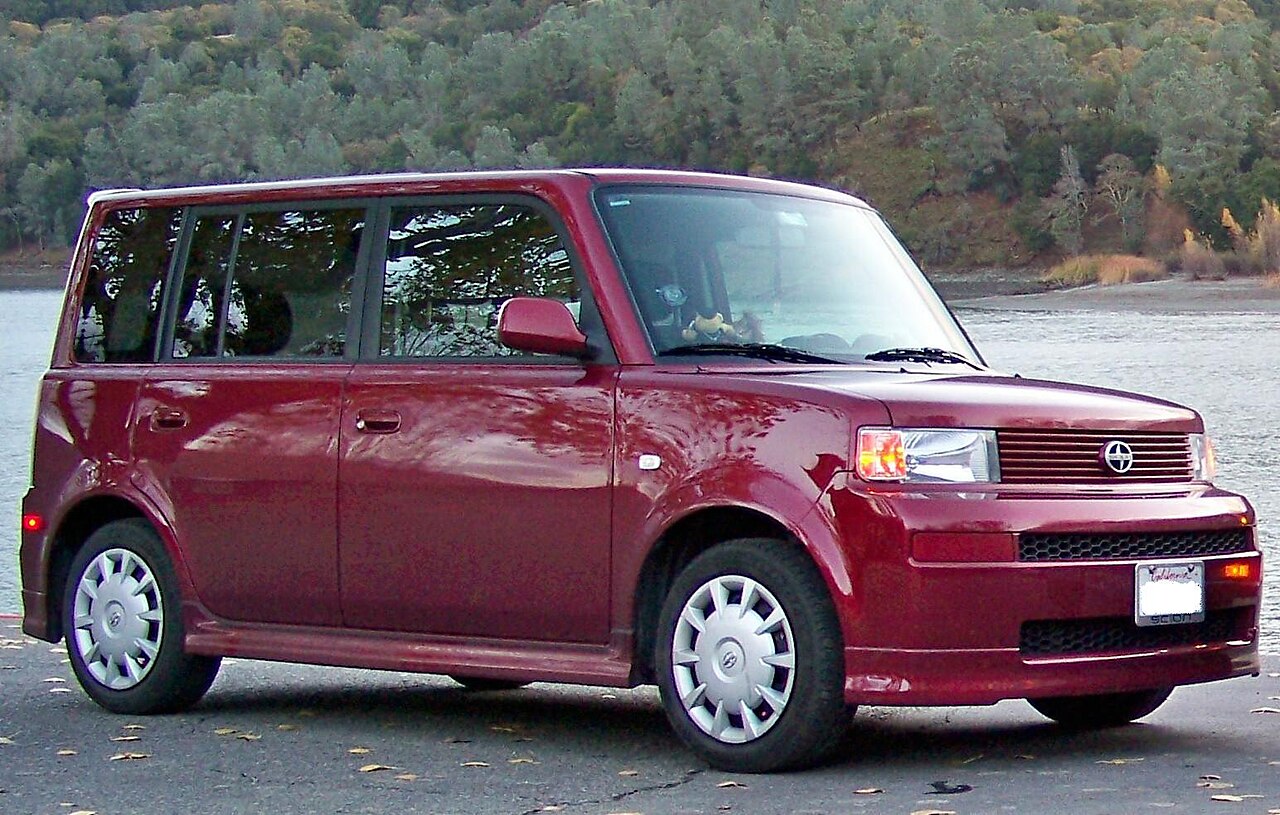
The original xB established a simple and functional aesthetic: a tall, nearly rectangular profile that maximized interior headroom and cargo volume relative to the car's exterior footprint. The five-door layout, flat roofline and folding rear seats made the vehicle versatile for passengers and light cargo. Interior design emphasized utility and straightforward controls rather than luxury. Dealers and owners commonly added accessories and styling items as part of the Scion program's emphasis on personalization Scion.
Generations
Two markedly different generations of the xB reached the U.S. market. The first generation — known for its stark, box-like geometry — was the form most closely associated with the xB identity. A later generation adopted softer, rounder lines, a larger greenhouse and a more conventional small-car silhouette. The second-generation model also offered greater engine output and refinement, reflecting a shift in engineering priorities and buyer expectations. That change provoked discussion because the two cars shared a name but delivered different driving experiences and visual identities generational details.
Performance and packaging
Throughout its life, the xB was positioned as a practical urban and suburban vehicle. Early examples prioritized fuel economy, compact dimensions and predictable handling, suiting them to commuting and everyday errands. The later model traded some of the original's minimalism for additional performance and interior space; this broadened appeal for buyers who wanted more power or refinement but altered the model's niche. The xB's front-wheel-drive layout and four-cylinder powerplants were typical of its class, balancing economy and utility without competing with larger segment sports cars.
Safety and equipment
Safety features and equipment levels changed over time as regulatory and market expectations evolved. Common items included multiple airbags, standard occupant protection systems and basic electronic controls. Higher trim levels and later models offered more convenience and comfort features that were not available on the earliest examples. As with many compact cars, buyers selected trims and options according to priorities such as fuel economy, connectivity and personalization.
Market reception and legacy
The two-generation history produced mixed responses. The first, boxy model developed a loyal following because of its distinctive shape and efficient packaging; for many owners the xB name evokes that original identity. When the nameplate was applied to a more rounded and conventional design, critics and a portion of the original owner community felt the model had lost some of the qualities that made it stand out, generating debate about nameplate continuity and design direction reviews and comparisons. Commentary in enthusiast circles and the press documented both appreciation and criticism for the shift in character critical commentary.
Aftermarket and cultural impact
The xB's distinctive styling and Scion's focus on owner personalization encouraged a vibrant aftermarket presence. Owners commonly modified exterior and interior trim, audio systems and suspension components. The vehicle became a visual shorthand for early-2000s attempts to combine functional small-car packaging with a youth-oriented image. Even after production ended, the xB remains referenced in discussions about niche design, brand strategy and the trade-offs between distinctive styling and mainstream appeal.
Further reading
- Owner forums and community resources for hands-on perspectives and modification guides.
- Published reviews and comparisons that discuss the two generations' differing strengths and intended buyers.
- Critical commentary exploring the design shift, brand strategy and reception among original owners.
- Manufacturer materials and press archives from Toyota that contextualize the model's introduction.
- Market analyses describing how the xB fit within the U.S. small-car segment and Scion's positioning.
- Scion brand histories that examine dealer programs, personalization initiatives and marketing aimed at younger buyers.
The Scion xB illustrates how a single nameplate can represent divergent design philosophies across generations. Its story highlights tensions between distinctiveness and mainstream appeal, the role of brand strategy in market acceptance, and the ways passionate owner communities can shape a vehicle's legacy long after production ceases.
Related articles
Author
AlegsaOnline.com Scion xB: compact box-shaped hatchback from Toyota's Scion brand Leandro Alegsa
URL: https://en.alegsaonline.com/art/88050