
Scenes of Bohemian Life (Scènes de la vie de bohème)
A collection of short scenes by Henri Murger portraying struggling young artists in 1830s Paris; source for Puccini's and Leoncavallo's operas and a major influence on the bohemian ideal.
Overview
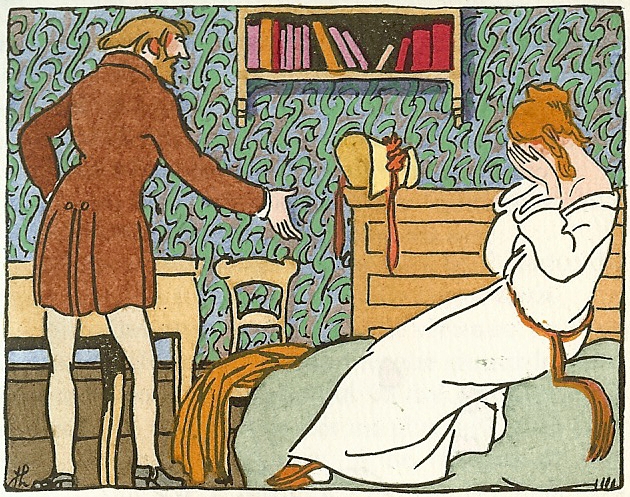
Scènes de la vie de bohème is a cycle of short stories and vignettes by Henri Murger that sketches the lives of impoverished poets, painters, musicians and students in early 19th-century Paris. Written and published in the late 1840s and collected in book form in 1851, the work presents a romanticized but sharply observed portrait of youthful hardship, friendship and creative aspiration.
Image gallery
2 Images
Structure and principal characters
Rather than a single continuous narrative, the book is built from a series of loosely connected scenes focusing on the daily struggles and small triumphs of a bohemian circle. Murger balances comic episodes with moments of quiet pathos, often emphasizing the contrast between artistic dreams and economic realities.
- Mimi (Mimì) — a fragile seamstress figure in some adaptations
- Rodolphe/Rodolfo — a poet and one of the central male figures
- Marcello, Schaunard, Colline — friends who represent different arts
Publication history and context
Murger originally published his scenes as sketches in periodicals before assembling them into a unified collection. The work reflected and helped shape contemporary ideas about the bohemian lifestyle: communal living, artistic devotion, voluntary poverty, and a code of camaraderie among creators. It captured aspects of Paris around 1830, during a time of political and social flux that influenced many artists and writers.
Adaptations and influence
The book provided the dramatic core for several operatic and theatrical adaptations. Most famously, it inspired Giacomo Puccini's opera La bohème, an opera that condenses Murger's episodes into an emotionally direct love story, and Puccini himself is closely associated with the work as a composer (Giacomo Puccini). Around the same time another setting by Ruggero Leoncavallo appeared; both operas draw on Murger but differ in musical style and dramatic emphasis. Puccini's version became the most enduring, and its themes have been reinterpreted in films, stage revivals and later works such as the musical-inspired adaptation Rent.
Legacy and notable facts
Murger's scenes did more than provide plots: they helped popularize the term "bohemian" and codified a romantic image of the artist as noble impoverished outsider. The book remains an important literary source for understanding 19th-century artistic communities and continues to be studied and adapted because of its vivid characters and evocative depiction of creative life under strain.
Related articles
Author
AlegsaOnline.com Scenes of Bohemian Life (Scènes de la vie de bohème) Leandro Alegsa
URL: https://en.alegsaonline.com/art/87822