
Scarlet tiger moth (Callimorpha dominula)
A colourful, day‑flying tiger moth of Europe and western Asia noted for its red hindwings, cryptic forewings, and well‑studied colour polymorphism important to evolutionary research.
The scarlet tiger moth, Callimorpha dominula (formerly Panaxia dominula), is a striking, day‑flying moth native to much of Europe and parts of the Near East. It is a member of the tiger moth group often treated within the Arctiinae and historically placed in the family Arctiidae. The species is familiar to naturalists for its contrasting wing pattern: subdued, cryptic forewings and vividly coloured hindwings that serve as a warning display to predators.
Image gallery
10 Images



Description and identification
Adult scarlet tiger moths are medium‑sized with forewings that are generally dark and patterned, helping them remain concealed when at rest. The hindwings are typically bright red with darker markings, a classic example of aposematic (warning) coloration. When disturbed the moth will flash the hindwings by lifting or jinking the forewings forward to reveal the red warning surface, deterring predators. For a general overview of tiger moth classification see Arctiidae and related groups.
- Forewings: cryptic, patterned, aid concealment at rest.
- Hindwings: bright red or occasionally yellow in rare forms; serve as a warning.
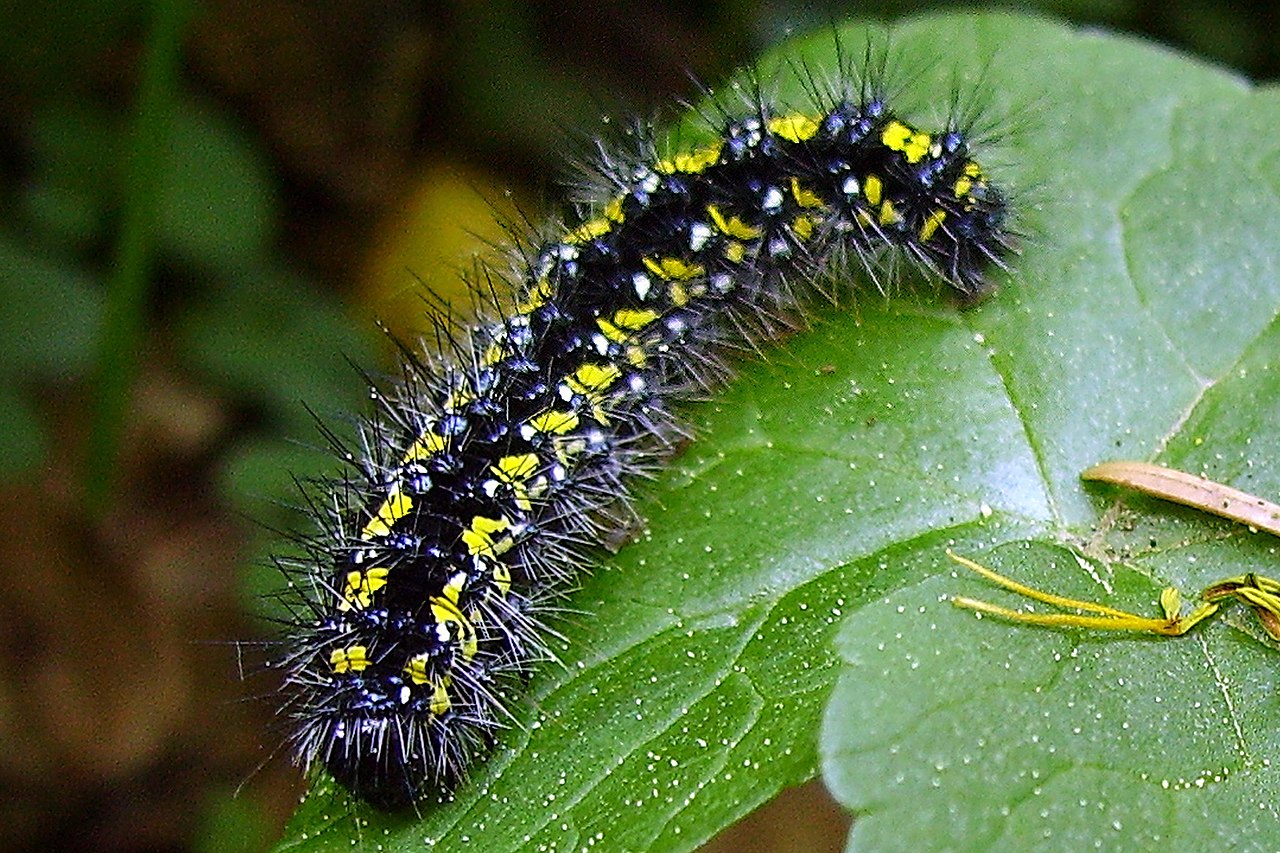
- Larvae (caterpillars): hairy, feed mainly on herbaceous plants, especially comfrey; for feeding notes see caterpillar foodplants.
Distribution, habitat and behaviour
This species inhabits a range of open, semi‑open and edge habitats where its larval foodplants occur, including meadows, gardens and hedgerows. It flies by day and can often be seen visiting flowers or basking on vegetation. The adult stage—sometimes called the imago—shows the characteristic day‑time activity of many tiger moths; more on the adult stage is available at moth imago information.
Polymorphism and scientific importance
One notable feature of Callimorpha dominula is its colour polymorphism. Populations can include a range of forms: the common red‑hindwing pattern, and rarer variants with yellow hindwings or extended dark (melanic) markings. These morphs have attracted long‑term study because they illustrate how natural selection, genetic variation and predator behaviour interact. Classic field studies at sites such as the Cothill reserve in Oxfordshire examined the relative frequencies and selective processes acting on these morphs; historical and modern summaries reference work by researchers including E. B. Ford and R. A. Fisher—see studies summarized at Cothill reserve studies and discussions of colour morphs.
Life cycle, rearing and practical notes
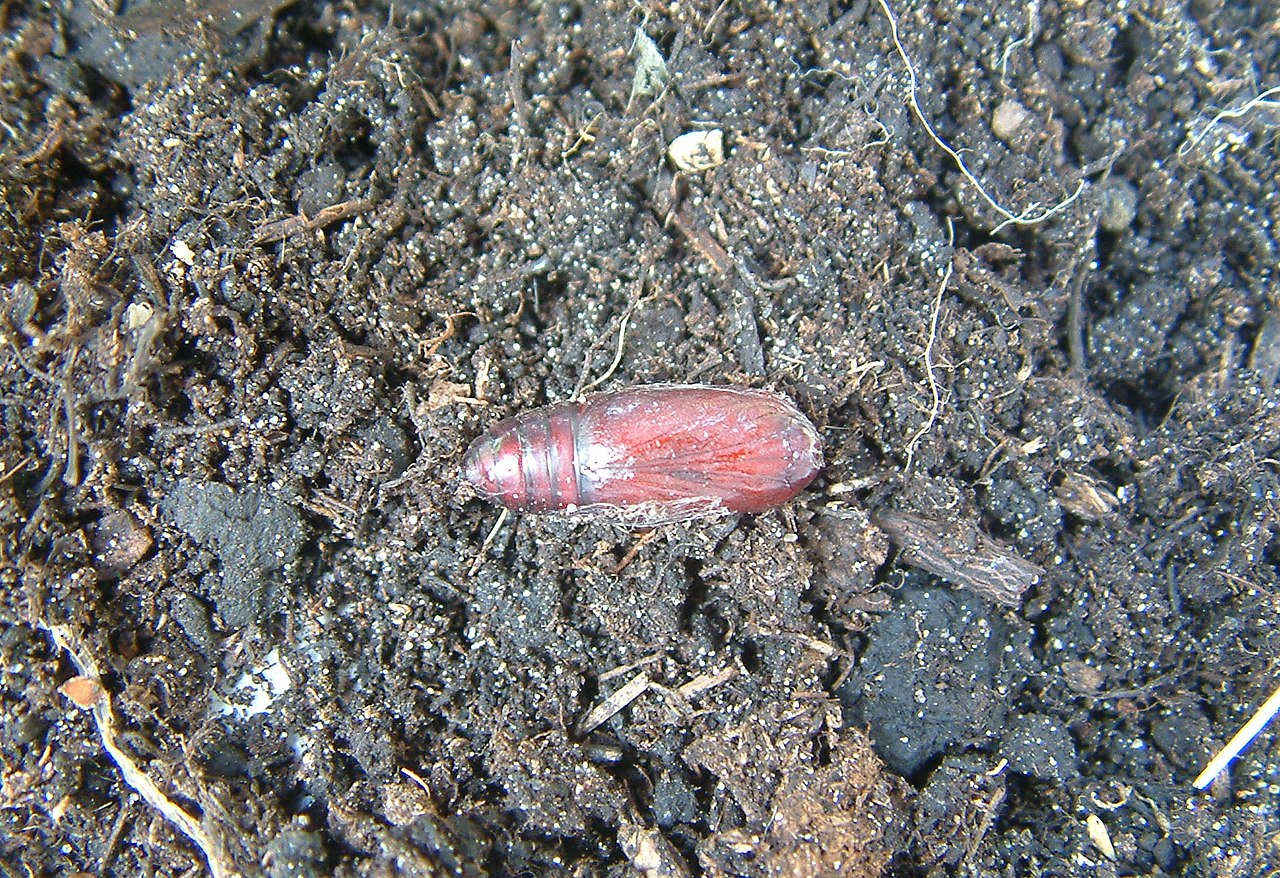
Females lay eggs on or near suitable hostplants. The caterpillars feed through the summer and often pupate in sheltered locations before emerging as adults. Because the species uses a variety of readily available herbaceous plants, it is amenable to captive rearing by amateurs and researchers; practical rearing guidance has been published for hobbyists and is discussed in field guides and rearing notes. Observing this moth in gardens and reserves provides a convenient window into broader topics such as aposematism, mimicry and the maintenance of genetic diversity in wild populations.
As with many conspicuous insects, local abundance varies with habitat quality and availability of larval foodplants, so providing nectar sources and hostplants can aid local populations. For further reading on classification and field observations consult the linked resources above.
Related articles
Author
AlegsaOnline.com Scarlet tiger moth (Callimorpha dominula) Leandro Alegsa
URL: https://en.alegsaonline.com/art/87797
Sources
- library.adelaide.edu.au : PDF 1.8 MB
- amentsoc.org : "Notes on rearing Scarlet tiger moth Callimorpha dominula (L.)"