
Scottish Fold: the folded‑ear cat breed
Overview of the Scottish Fold cat breed, its appearance, genetics, temperament, history, health considerations, and naming/recognition variations.
Overview
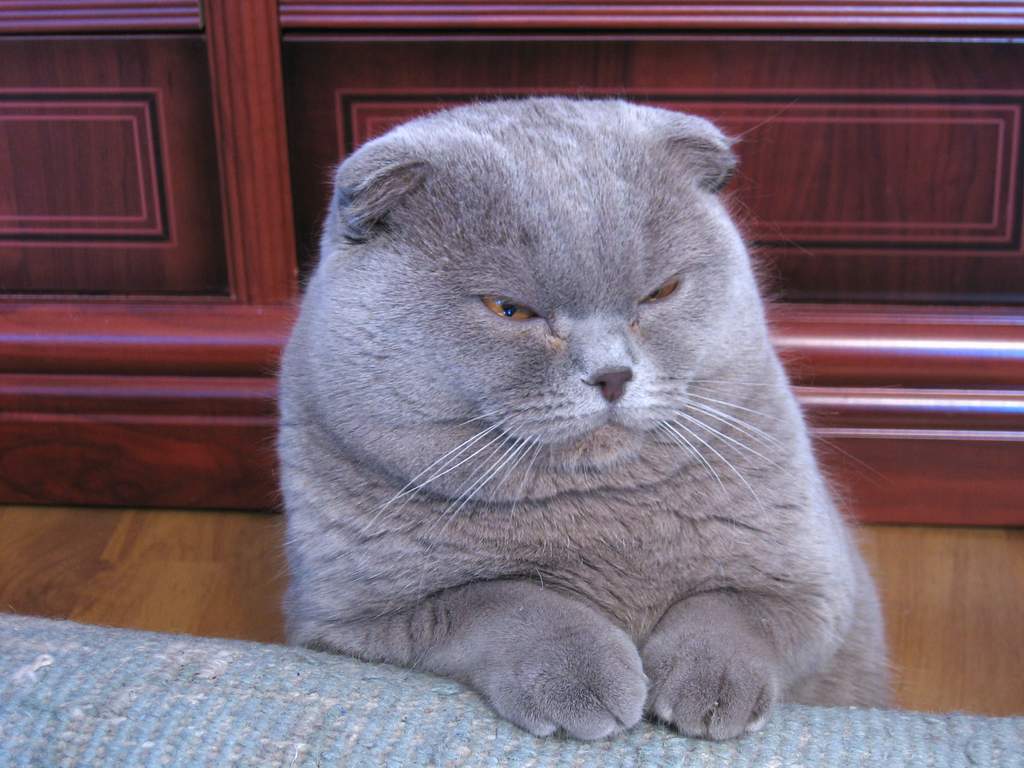
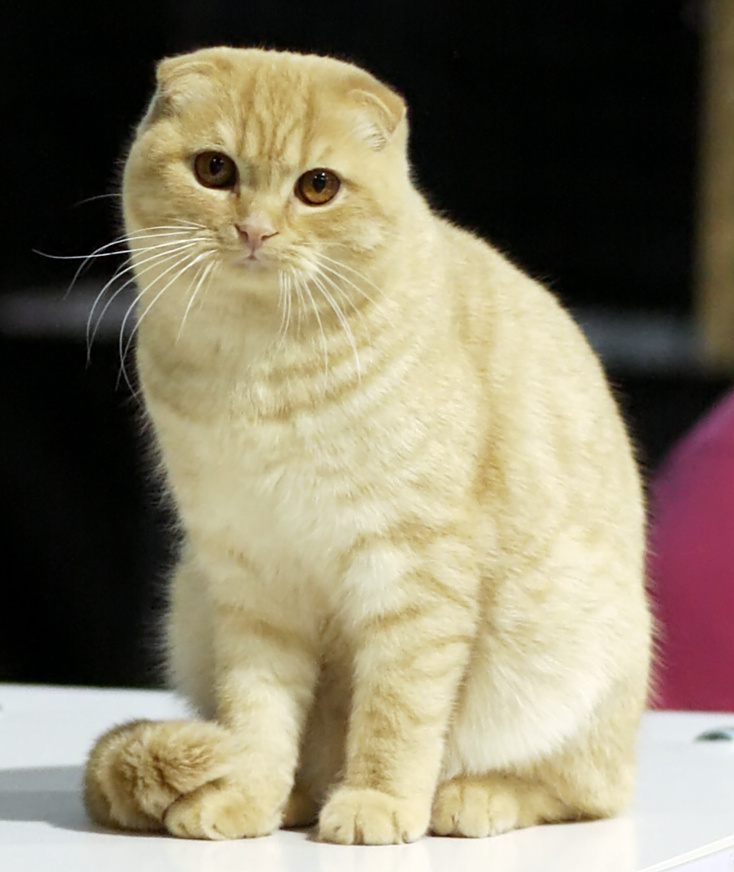
The Scottish Fold is a domestic cat breed best known for its forward‑folding ear tips, a trait that gives the head a rounded appearance. The fold is the result of a naturally occurring mutation that affects cartilage development. The breed exists in both short‑haired and long‑haired varieties and is kept as a companion animal around the world. Some Canadian breeders use the name Coupari; for general background on cat breeds see breed resources.
Image gallery
10 Images




Appearance and varieties
Typical features include a rounded skull, large round eyes, a medium to stocky body, and the signature folded ears. Coat colors and patterns are diverse. Long‑haired forms are marketed under several names depending on registry: Highland Fold, Scottish Fold Longhair, or Longhair Fold, among others; different associations use different terminology — see registry notes at official registries.
Genetics and health
The folded ear is produced by a dominant mutation that alters cartilage structure. While a single copy of the gene produces the characteristic ear fold, two copies (homozygosity) are associated with an inherited condition called osteochondrodysplasia, which affects cartilage and bone and can cause painful degenerative changes in joints and tails. Responsible breeders avoid mating two folded‑ear cats to reduce the risk of severe skeletal problems. Routine veterinary care for a Scottish Fold emphasizes joint health monitoring and attention to mobility and pain management.
Temperament and care
Scottish Folds are commonly described as calm, affectionate, and adaptable companions. They typically enjoy interactive play, moderate activity, and close human company. Care needs are similar to other indoor cats: balanced nutrition, dental and parasite preventive care, regular veterinary checks, and mental stimulation. Because folding affects ear cartilage, owners should also observe ears for debris or irritation and consult a veterinarian if problems arise.
History and development
The breed traces its origin to a small white farm cat discovered in Scotland in the early 1960s; early breeders worked to establish a stable population by outcrossing with other breeds to maintain health and variety. The breed name evolved over time (early informal names included "Flops"), and in the mid‑20th century the Scottish Fold was standardized and entered into competition and registry systems. For historical and registration details consult breeding literature and registry guidance at Canadian breeder notes and other sources such as genetic summaries.
Controversies and considerations
- Welfare concerns: the same mutation that causes cute folded ears can predispose some cats to painful skeletal disease; ethical breeding prioritizes outcrossing and avoiding fold-to-fold matings.
- Regulation: some clubs and countries have placed restrictions or discouraged breeding of folded‑ear cats for welfare reasons. Consumers should seek reputable breeders and health clearances.
- Adoption and rescue: as with any breed with known health risks, potential owners should be prepared for lifelong care and veterinary costs.
The Scottish Fold remains a popular companion due to its distinctive appearance and gentle disposition, but prospective owners and breeders must balance aesthetics with the breed's special health and welfare needs.
Questions and answers
Q: What is the name of the breed of cat?
A: The breed of cat is called the Scottish Fold.
Q: What is the cause of its distinctive ear fold?
A: The distinctive ear fold is caused by a particular gene.
Q: What was the original name for this breed?
A: The original name for this breed was Flops, due to their "floppy" ears.
Q: How did it become known as Scottish Fold in 1966?
A: In 1966, it became known as Scottish Fold after being officially recognized by the Cat Fanciers' Association (CFA).
Q: Are there any variations of this breed with long hair?
A: Yes, there are variations of this breed with long hair which are known by different names depending on which organization recognizes them. For example, they may be called Highland Folds (ACFA, AACE and UFO), Scottish Fold Longhairs (TICA, NCFA, ACA, CCA and CFA) or Longhair Folds (CFF).
Q: Who recognizes these variations with long hair?
A: These variations with long hair are recognized by organizations such as ACFA, AACE and UFO; TICA, NCFA, ACA, CCA and CFA; and CFF.
Q: Is there an official recognition for these breeds from any organizations?
A: Yes, these breeds have been officially recognized by various organizations such as ACFA, AACE and UFO; TICA NCFA ACA CCA and CFA; and CFF.
Related articles
Author
AlegsaOnline.com Scottish Fold: the folded‑ear cat breed Leandro Alegsa
URL: https://en.alegsaonline.com/art/88128
Sources
- commons.wikimedia.org : Scottish Fold cats
- petfinder.com : Petfinder "Scottish Fold"
- petplace.com : Pet Place: Choosing a Scottish Fold
- scottishfold.com : ScottishFold.com "Folded Ears"
- fanciers.com : Cat Fanciers Scottish Fold FAQ
- cfa.org : CFA breed article on Scottish Folds
- pegkenscats.com : Pegken's Cats "Scottish Fold"
- scottishfold.com : ScottishFold.com "History"
- terrific-cats.com : Terrific Cats "Scottish Fold"
- scottishfold.org : ScottishFold.org "Polycystic Kidney Disease (PKD)"
- ava.com.au : Osteochondrodysplasia in Scottish Fold cats
- scottishfold.org : ScottishFold.org "Osteochondritis"
- scottishfold.org : ScottishFold.org "Cardiomyopathy"
- gccfcats.org : "The GCCF says Health Comes First"