
São Miguel Island — the Green Island of the Azores
São Miguel is the largest island of the Portuguese Azores, known for volcanic calderas, crater lakes, hot springs, tea plantations and Ponta Delgada, its main city and economic hub.
São Miguel is the largest and most populated island in the Portuguese archipelago of the Azores. Its popular nickname, "The Green Island," reflects the island's lush landscapes and intensive pastureland. The main urban centre and administrative hub is Ponta Delgada, while the island's name recalls the Archangel Michael and its settlement history is tied to Portuguese maritime expansion into the mid-Atlantic. São Miguel sits at the eastern end of the archipelago and is a key destination within the Azores.
Image gallery
10 Images
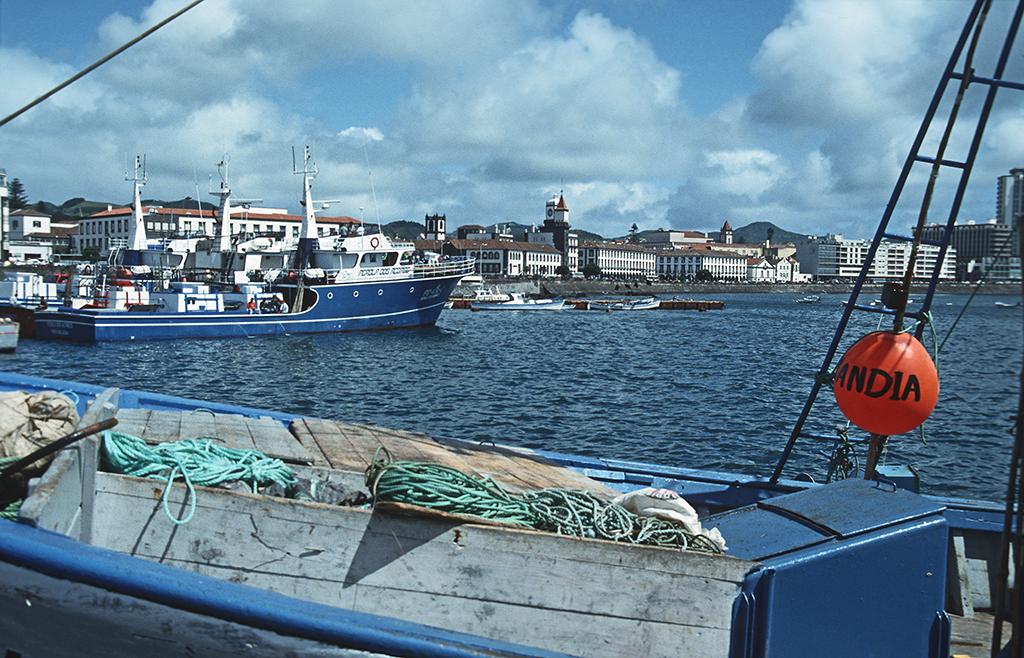
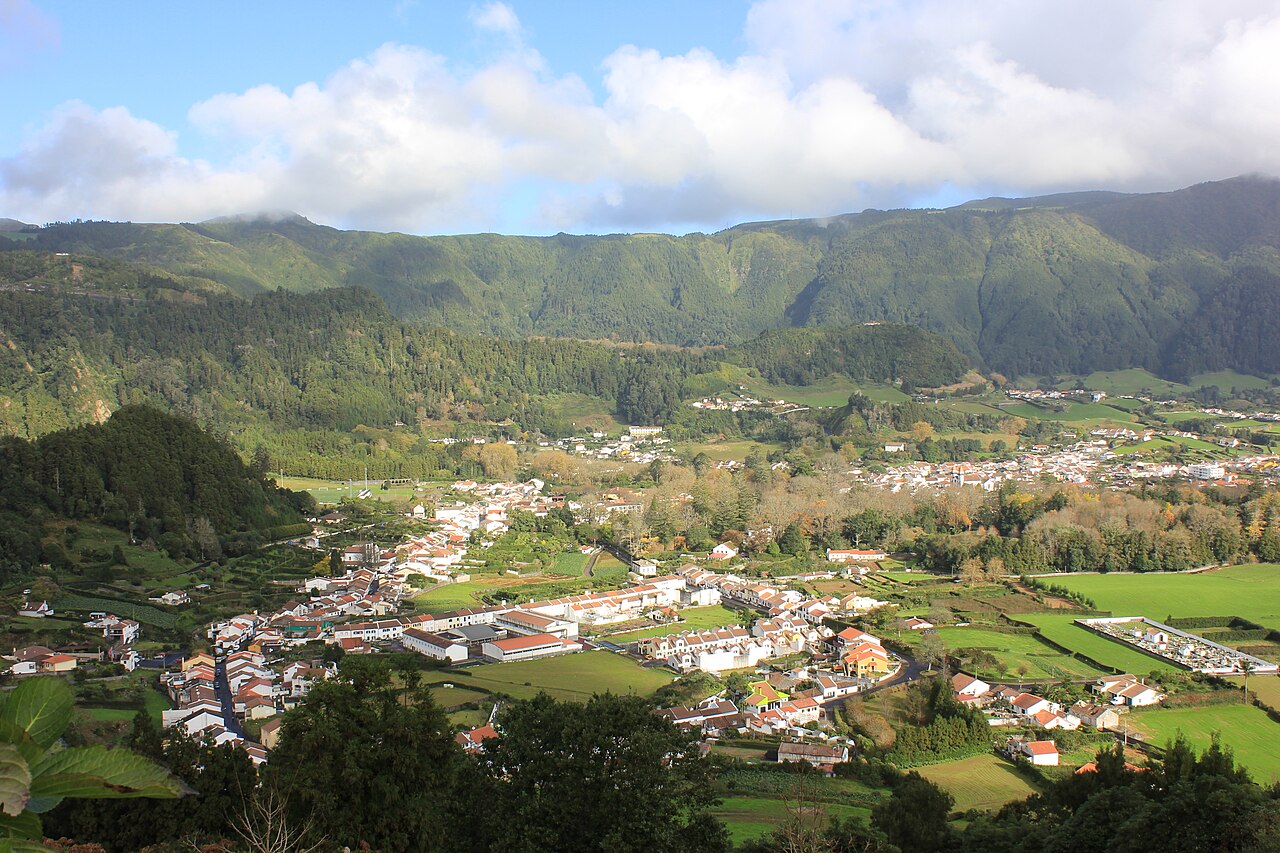


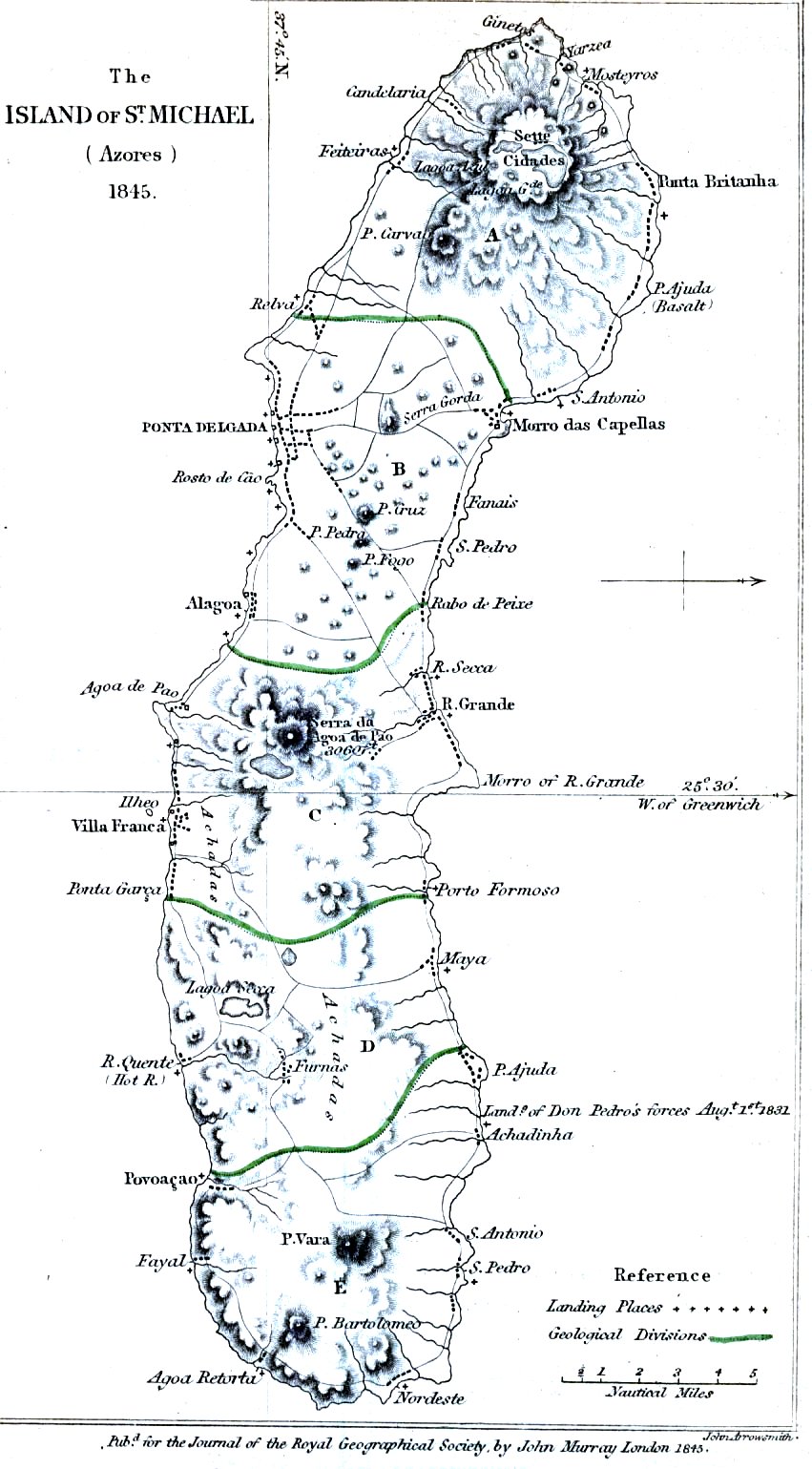
Geography and volcanic features
Formed by volcanic activity, São Miguel displays classic oceanic volcanic landforms: stratovolcanoes, nested calderas and crater lakes. Famous sites include the twin-lake caldera of Sete Cidades, the high crater-lake Lagoa do Fogo, and the geothermal valley of Furnas with hot springs and fumaroles. Coastlines alternate between steep cliffs and sandy bays; the interior is characterized by rolling pastures, woodland and steep ridgelines. The island's climate is temperate and maritime, producing frequent cloud cover, regular rainfall and moderate temperatures year-round.
Administrative divisions and population
São Miguel is divided into several municipalities that manage local services, heritage and tourism infrastructure. Major municipalities include:
- Ponta Delgada (the largest city and economic centre)
- Ribeira Grande
- Nordeste
- Vila Franca do Campo
- Lagoa
- Povoação
The island hosts over a hundred thousand residents, making it the demographic and commercial heart of the Azores. Services, transport and international connections are concentrated around the main urban areas and the regional airport.
History, culture and economy
Discovered and settled by Portuguese navigators in the 15th century, São Miguel evolved through agriculture, dairy production and maritime trades. It was once part of a regional whaling industry; today tourism, farming and services dominate the economy. Distinctive agricultural products include dairy cheese, small-scale greenhouse pineapples and tea from historic plantations—among the few in Europe—where visits are popular with tourists. The Furnas "cozido," a traditional stew slow-cooked underground using geothermal heat, is one of the island's culinary highlights.
Nature conservation and recreation
Conservation areas protect crater lakes, wetlands and endemic plant communities; Lagoa do Fogo and other protected sites attract hikers and birdwatchers. São Miguel is also a leading Azorean base for marine wildlife excursions such as whale- and dolphin-watching. Geothermal activity is harnessed locally for bathing and small-scale energy and heating projects, illustrating the island's long interaction between people and volcanic landscapes.
Notable facts and visitor information
Visitors typically base themselves in Ponta Delgada for services, day trips and transport links. Highlights include scenic drives, botanical gardens, tea estates and thermal spas. For further practical details and official resources see regional guides and local authorities: history and name, language and culture, archipelago context, Ponta Delgada services and Azores tourism.
Questions and answers
Q: What is São Miguel Island?
A: São Miguel Island is the largest and most populous island in the Portuguese archipelago of the Azores. It is also referred to as "The Green Island".
Q: Who is São Miguel Island named after?
A: São Miguel Island is named after the Archangel Michael (Portuguese: São Miguel).
Q: How many inhabitants does São Miguel Island have?
A: São Miguel Island has around 138,000 inhabitants.
Q: What is the largest city in São Miguel Island?
A: Ponta Delgada is the largest city in São Miguel Island and also in the Azores archipelago.
Q: Why is São Miguel Island known as "The Green Island"?
A: São Miguel Island is known as "The Green Island" due to its lush green vegetation and forests.
Q: Where is São Miguel Island located?
A: São Miguel Island is located in the Portuguese archipelago of the Azores.
Q: What is the significance of the Archangel Michael to the people of São Miguel Island?
A: The Archangel Michael (Portuguese: São Miguel) is significant to the people of São Miguel Island as the island is named after him and he is considered a protector of the island.
Related articles
Author
AlegsaOnline.com São Miguel Island — the Green Island of the Azores Leandro Alegsa
URL: https://en.alegsaonline.com/art/87236
Sources
- dgterritorio.pt : "CAOP 2013"
- estatistica.azores.gov.pt : "Census 2011"
- peakbagger.com : "Pica da Vara, Portugal"
- weatherbase.com : "Ponta Delgada, Portugal"
- koeppen-geiger.vu-wien.ac.at : "World Map of Köppen-Geiger Climate Classification"
- ine.pt : "Estatísticas territoriais"