
São Nicolau (Cape Verde) — geography, history, and contemporary profile
São Nicolau is a mountainous island in Cape Verde's Barlavento group. Noted for Ribeira Brava and Tarrafal de São Nicolau, it has a small population, rural economy, and protected highlands.
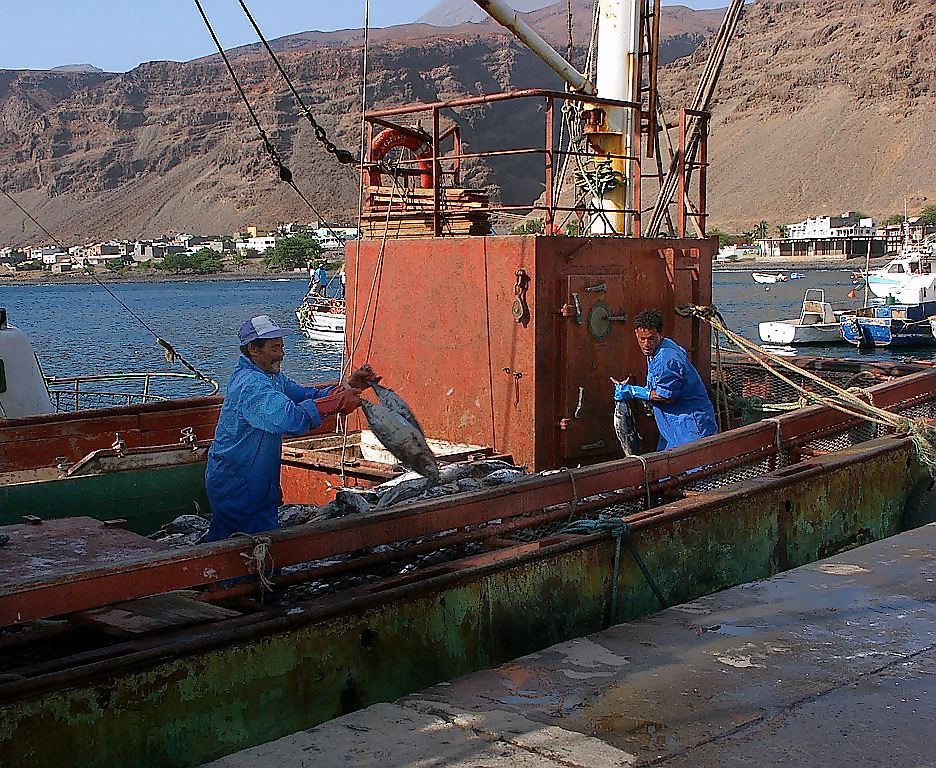
São Nicolau is an island in the Republic of Cape Verde, located in the northern Barlavento (windward) island group. Administratively part of Cape Verde, the island had an estimated population of about 12,400 people in 2015. Its principal towns are Ribeira Brava, historically the municipal seat, and Tarrafal de São Nicolau, a coastal fishing and market town. For general country context see Cape Verde.
Image gallery
7 Images


Geography and natural features
São Nicolau is characterized by a rugged, mountainous interior and narrow coastal plains. The island's higher elevations are dominated by Monte Gordo and its ridges, which create a cooler, more humid environment than the lower, semi-arid shores. Numerous seasonal valleys (ribeiras) channel rainwater toward the sea; these valleys support small-scale agriculture and scattered settlements. Parts of the highland region are protected for their native plant communities and scenic value.
History and settlement
The island was encountered by Portuguese navigators in the 15th century. Contemporary sources report its discovery in 1461 or 1462 by the explorer Diogo Afonso, at the same time that nearby islands such as São Vicente and Santo Antão were charted. Subsequent Portuguese settlement developed slowly: São Nicolau became part of transatlantic trade routes and a local agricultural economy under colonial administration.
Economy, transport, and society
The island economy is largely rural and diversified between fishing, subsistence and smallholder agriculture, and services in town centers. Emigration and remittances have played an important social and economic role in recent decades. São Nicolau is less oriented toward mass beach tourism than some other Cape Verde islands; instead it attracts visitors interested in hiking, rural landscapes, and local culture. Transport links include inter-island ferry services and a small regional airport serving domestic connections.
Key facts and distinctive aspects
- Part of the Barlavento (northern) island group of Cape Verde.
- Main towns: Ribeira Brava and Tarrafal de São Nicolau.
- Interior dominated by Monte Gordo and several protected natural areas.
- Historic European discovery by Diogo Afonso in the mid-15th century.
- More rural and less tourist-heavy than islands such as Sal or Boa Vista.
São Nicolau combines a quiet, agrarian lifestyle with scenic highlands and coastal communities. Its cultural life reflects broader Cape Verdean traditions in music, food, and communal festivals, while its landscapes offer opportunities for low-impact tourism and nature-based visits.
Related articles
Author
AlegsaOnline.com São Nicolau (Cape Verde) — geography, history, and contemporary profile Leandro Alegsa
URL: https://en.alegsaonline.com/art/87238
Sources
- ine.cv : Cabo Verde, Statistical Yearbook 2015
- hdl.handle.net : Valor simbólico do centro histórico da Praia
- commons.wikimedia.org : São Nicolau (Cape Verde)
- tools.wmflabs.org : 16°36′54″N 24°16′16″W / 16.615°N 24.271°W / 16.615; -24.271